How to Get Book Reviews: A Practical Guide for Indie Authors
Struggling with how to get book reviews? Learn proven strategies for finding reviewers, crafting effective outreach, and leveraging reviews for more sales.
Posted by
Related reading
How to Find the Best Book Designers for Your Novel
Discover how to hire the best book designers with expert tips on portfolios, pricing, and when AI tools fit your book project.
The Cobalt Blue Color Code: A Guide for Book Cover Design
Discover the exact cobalt blue color code (Hex, RGB, CMYK) and learn how to use it for book covers that stand out on Amazon KDP and beyond.
Mastering Balancing Elements in Photography for Striking Book Covers
Learn balancing elements photography to create compelling, professional book covers. Get practical tips for indie authors to attract readers on KDP.
Ready to design your cover?
Use our AI book cover generator to create tailored book cover concepts in minutes.

Want to know how to get more book reviews for your book? It's not about sending a thousand emails. The real work starts long before you ever ask a single person to read your book.
As an indie author publishing on platforms like Amazon KDP, you need to build an irresistible package—one that signals "professional" from the moment a potential reviewer sees it. This isn't just about writing a great story; it's about having a polished manuscript, a genre-perfect cover, and a smart outreach plan.
Building Your Foundation for Rave Reviews

Before you ask how to get book reviews, you need to ask a tougher question: is your book ready for them? A rushed, amateur-looking request is the fastest way to get ignored by serious reviewers. Think of this preparation phase as building a launchpad for your book. Without it, your review strategy will never get off the ground.
Your entire goal is to make a reviewer’s job easy and, frankly, make them want to read your book. You need a complete, professional package that tells them, "This author knows what they're doing. This book is worth my time."
Polish Your Manuscript Until It Shines
This is the absolute, don't-even-think-about-skipping-it first step. You need a professionally edited manuscript. Sending out a book full of typos, plot holes, or clunky grammar is a massive sign of disrespect to a reviewer. It practically guarantees a bad review, if they even bother to finish it.
At a minimum, your book should go through these editing stages:
- Developmental Edit: Big-picture feedback on your plot, characters, and pacing. Is the story working?
- Copy Edit: The nitty-gritty of grammar, punctuation, and sentence clarity.
- Proofread: The final hunt for any last typos or formatting glitches before it goes out the door.
Yes, editing costs money, but it signals you’re serious. A clean manuscript lets a reviewer sink into your story instead of getting tripped up by mistakes.
Create an Irresistible Book Cover
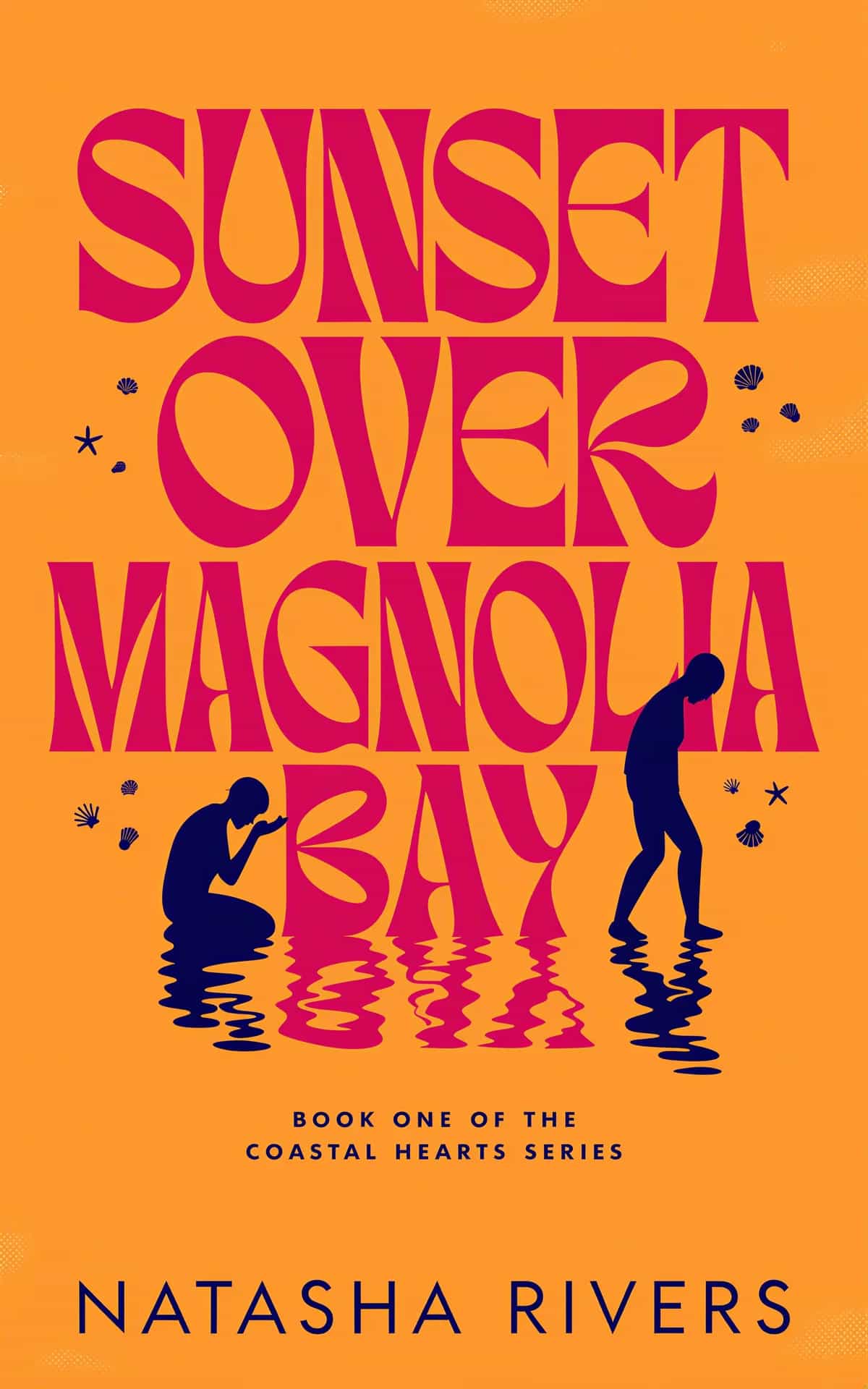
Let's be blunt: your cover is the first thing a reviewer will judge. It’s the single most powerful marketing tool you have in your outreach email. It instantly signals your genre, tone, and whether you’re a pro or an amateur.
A weak, DIY-looking cover makes it incredibly easy for a busy reviewer to hit "delete," assuming the story inside is just as unpolished. In today's crowded market, a standout cover isn't a luxury; it's a survival tool. Data shows that books with professional, genre-perfect covers get significantly more attention on platforms like Amazon.
Whether you hire a designer or create a cover using a purpose-built AI tool, it must fit your genre conventions. Your gritty thriller cover should look nothing like a sweet contemporary romance. For example, great romance book covers have specific visual cues that readers instantly recognize.
A professional cover isn't an expense; it's an investment in credibility. It's the silent promise to a reviewer that the story inside is worth their time.
Prepare Your Reviewer Outreach Assets
With your manuscript and cover finalized, it's time to assemble your "press kit." Having these materials ready to go makes you look organized and saves you a ton of time during outreach.
Use this checklist to get your assets in order. A solid foundation makes your outreach more professional and effective.
Pre-Launch Reviewer Outreach Checklist
| Asset or Task | Status (To Do / Done) | Why It Matters for Reviewers |
|---|---|---|
| Final Edited Manuscript | Non-negotiable. Shows respect for their time and professionalism. | |
| Professional Book Cover | Your #1 marketing tool. The first impression that gets your email opened. | |
| Compelling Book Blurb | Hooks them immediately and tells them what the story is about. | |
| Author Bio & Headshot | Puts a face to the name and establishes your credibility. | |
| Key Book Details | Genre, word count, release date, and trigger warnings. All the info they need. | |
| Relevant Links | Easy access to your website, socials, and pre-order pages. | |
| ARC Files (.mobi, .epub, PDF) | Offer multiple formats to make it easy for them to read on their preferred device. |
Getting these things done before you start contacting people is the difference between a frustrating, dead-end campaign and one that builds real momentum for your launch.
Your essential kit should include:
- Book Blurb: A short, punchy summary that hooks them from the first sentence.
- Author Bio & Headshot: Keep the bio brief and professional. Include a high-quality photo. A great bio can be a key part of your author platform; learn how to write an effective author bio.
- Book Details: List the title, genre, word count, release date, and any relevant trigger warnings.
- Links: Give them links to your author website, key social media profiles, and any pre-order pages.
Finally, get your Advance Reader Copy (ARC) ready. Make sure it's available in the most common formats—.mobi (for Kindle), .epub (for most other e-readers), and PDF.
Services like BookFunnel or StoryOrigin are excellent for this. They simplify the distribution of your ARCs and help you track who has your book.
Finding Your Ideal Reviewers Without Wasting Time
Sending out dozens of review requests only to hear crickets? It’s a fast track to an empty inbox and a lot of frustration.
Getting book reviews isn't a numbers game; it's a matching game. You have to stop blasting generic emails into the void and start acting like a detective, pinpointing the exact readers and influencers who are already obsessed with your genre. Your goal isn't to email the world, but to build a highly targeted list of 50-100 prospects who are primed to love your book.
This approach isn’t just more effective—it’s more respectful. You’re showing them you’ve done your homework and believe your book is a perfect fit for their specific audience.
Where to Find Your Perfect Reviewer Match
The good news is, your ideal reviewers are already out there talking about books just like yours. You just need to know where to look. Forget broad, generic searches and instead, dive deep into the digital hangouts where your readers live.
Here are the best places to start your search:
- Genre-Specific Book Blogs: Search for phrases like "[Your Genre] book review blogs" or "best dark fantasy reviewers." Sift through the results for active blogs that have posted recently and have a clear, easy-to-find review policy.
- Bookstagram & BookTok: This is a goldmine. Use hashtags on Instagram and TikTok like
#[YourGenre]Books,#[SimilarAuthor], or even#[ComparableBookTitle]. Look for influencers who consistently and thoughtfully review books in your niche. - Goodreads: Look up a few popular books that are direct competitors to yours. Go to their reviews page and filter for reviewers who wrote detailed, passionate posts. These are the super-readers you want, and they often link their blog or social media right in their profile.
When you find a potential match, take five minutes to investigate their profile or site. Do they actually review indie authors? What’s their tone like? Do they seem to genuinely enjoy the specific subgenre you write in? This vetting upfront will save you hours of wasted effort.
Your ideal reviewer has already reviewed a book you’d consider a "comp title"—a book similar in tone and theme to yours. Finding those reviews is like finding a treasure map leading directly to your future fans.
Vetting Reviewers and Avoiding Pitfalls
As you build your outreach list, you need to be cautious. Not every "reviewer" is legitimate, and the indie author community is a common target for scams. The number one rule: A legitimate reviewer will never ask for payment in exchange for a review.
Keep an eye out for these common red flags:
- Demands for Money: Real reviewers are compensated with a free copy of the book, not cash. If someone asks for a "reading fee" or promises a 5-star review for a price, it's not just a scam; it's a violation of Amazon's terms of service.
- Vague, Flattering Emails: Watch out for unsolicited emails that praise your book in glowing but generic terms without mentioning anything specific about it. These are almost always mass-sent by scammers.
- No Digital Footprint: A real reviewer has a history. They'll have a blog, an active Goodreads profile, or a social media account filled with past reviews. If you can't find any proof of their work, they're not a reviewer.
Building a quality list of potential reviewers is similar to the process of how to find beta readers—both require careful research to find people who genuinely connect with your work. A little diligence here protects both your book and your author reputation.
Once you have a solid list of names, you'll need to find their contact information. Most professional reviewers list an email on their blog's contact page or in their social media bio. If not, you might need to do some light detective work. Guides on how to find anyone's email can offer ethical strategies for this.
Crafting Outreach That Actually Gets a Response
Your pitch email is your one shot to cut through the noise of a reviewer's inbox. A generic, copy-pasted message is a one-way ticket to the trash folder. The goal isn't to shotgun your request to hundreds of people; it's about making a genuine connection with a select few, convincing them your book is exactly what their audience is dying to read.
This means every email has to be personal. It shows you’ve done your homework, you respect their time, and you aren't just flinging spaghetti at the wall to see what sticks. A little upfront effort pays off massively in your response rate.
This whole process boils down to three simple stages: you find them, you vet them, and only then do you contact them.

The real work happens long before you hit "send." It all starts with smart research.
The Anatomy of a Perfect Pitch
A successful review request is built on respect for the reviewer's time. Your email needs to be concise, professional, and easy to scan. They should know who you are, what your book is, and why you picked them in about 30 seconds.
Here’s a checklist for your pitch email:
- A Personal Hook: Start by mentioning a specific review of theirs you liked, especially for a comp title. Something like, "I loved your recent review of The Crimson Cipher—your take on the magic system was spot on. My book explores a similar style of elemental magic, which is why I thought you might enjoy it."
- The Vitals: Give them the core info in a clean, scannable format (bullets are great for this). Include the Title, Genre, Word Count, and Release Date.
- A Punchy Summary: Drop in your book blurb or a tight, one-paragraph summary. This is where you grab their attention.
- Crucial Context: Always include any content or trigger warnings. This isn't optional; it's a basic professional courtesy that reviewers deeply appreciate.
- Easy Access: Link to your press kit and offer the ARC in multiple formats like .epub and .mobi. Make it easy for them to say yes.
That first impression is everything. A great cover in your pitch email does half the selling for you.
What to Ditch From Your Request
What you leave out is just as important as what you put in. Steer clear of these rookie mistakes that signal amateurism.
- Mass-Email Vibes: Never start with "Dear Book Blogger" or have a visible CC list. Each email needs to feel like it was written just for them.
- Demands and Entitlement: You are asking for a massive favor. Any phrase like "I expect a review by..." is a fast way to get your email deleted and your name blacklisted.
- Your Life Story: Your full author bio has a home on your website. Keep the email laser-focused on the book and why it’s a fit for the reviewer.
Core Principle: Your outreach is the start of a potential professional relationship, not a one-time transaction. Treat it with the respect and personalization you'd give any important business introduction.
Timing and the Polite Follow-Up
Timing is everything. Contact reviewers too early, and your book gets lost in the shuffle. Too late, and their schedule is already packed solid for your launch month.
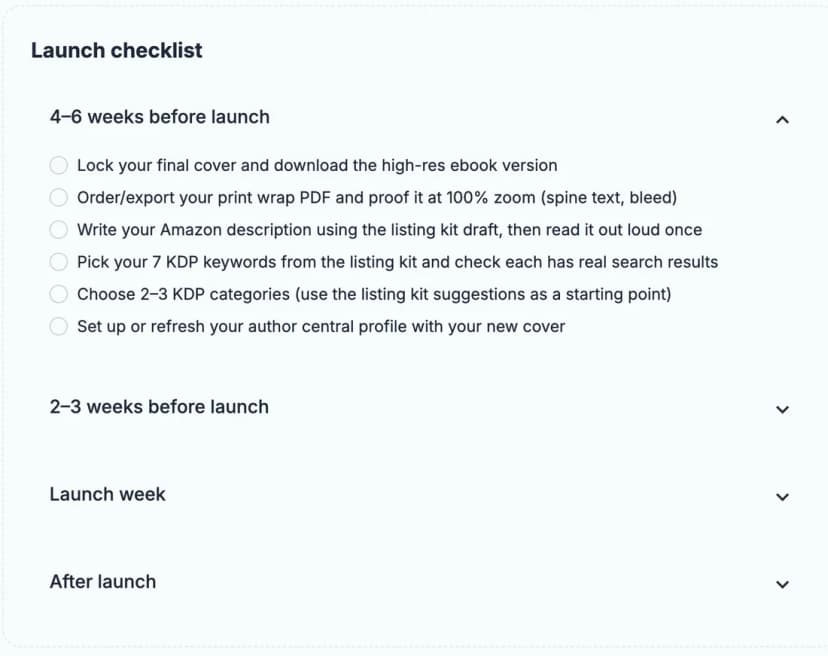
The sweet spot? Send your initial requests 4-6 weeks before your release date. This gives them a comfortable window to read and write a thoughtful review.
If you don’t hear back, it’s acceptable to send one polite follow-up about a week later. Keep it short and sweet: "Just wanted to gently follow up on my previous email about a review opportunity for my new novel, [Your Book Title]. No pressure at all, but I’d love to send a copy your way if you're interested."
Still no response? Move on. Never pester a reviewer. They are drowning in books, and most are doing this out of passion, not for a paycheck. Use a simple spreadsheet to track who you've contacted and when. It’ll keep you from sending embarrassing repeat emails and help you manage the process. You can learn from great introduction outreach emails that know how to get to the point and grab attention.
Using Review Platforms and Services Strategically
Reaching out to individual bloggers and influencers is essential, but it’s also slow. When you're ready to scale your efforts, dedicated review platforms are a smart move.
Think of these services as a force multiplier. For a relatively small investment, you can get your book in front of hundreds—sometimes thousands—of vetted, eager readers. This isn't just about getting reviews; it's about building momentum and crucial social proof before your launch day.
Comparing the Major ARC Distribution Platforms
For indie authors looking to distribute Advance Reader Copies (ARCs), two platforms dominate the conversation: NetGalley and Booksprout. They both achieve the same goal, but they work differently and are suited for different strategies and budgets.
Here's a practical breakdown for indie authors:
-
NetGalley: This is the industry heavyweight, used by major publishers. Its reviewer pool includes librarians, booksellers, and professional critics, which can add significant credibility to your book. The downside is the cost; listing through a co-op or partner can run several hundred dollars.
-
Booksprout: This is the indie author's workhorse. It’s modern, more affordable, and extremely popular within the self-publishing community. Booksprout's model is built on monthly subscriptions or credits, making it accessible on a tight budget. The reviewers here are primarily voracious genre readers—exactly the kind of fans who can become your loyal readers.
Decision Criteria: Choose NetGalley if your budget allows and your primary goal is to reach trade reviewers like librarians and bookstore owners. For a faster, more cost-effective way to get a high volume of reviews from dedicated genre readers, Booksprout is often the more practical choice for indie authors.
Goodreads Strategies That Actually Work
Beyond the paid services, Goodreads is still a powerhouse for connecting with readers, but only if you use it correctly. Avoid spamming groups with "Review my book!" posts. It doesn't work and will likely get you removed.
A far better approach is running a Goodreads Giveaway. For indie authors, offering Kindle copies is the most efficient route. A giveaway creates immediate buzz and gets your book added to thousands of "Want to Read" shelves. That shelf placement is gold, boosting your book's visibility across the platform long after the giveaway ends.
Another tactic is to become a contributing member of genre-specific groups. Find where your readers hang out and join the conversation. Talk about books you love (that aren't yours!), recommend other authors, and build a reputation. When you eventually mention your own book, it comes as a recommendation from a trusted peer, not a sales pitch.
Maximizing Your Return on Investment
Whether you’re paying for a service or putting in the time on Goodreads, your success comes down to presentation. A reviewer scrolling through hundreds of options will make a snap judgment based on your cover.
Your cover and blurb need to be absolutely dialed in. A book with a professionally designed and market-tested cover, like these standout thriller book covers, will always outperform a generic one. You can even use AI tools to test cover concepts and see what resonates with your target audience before you commit.
Ultimately, you're aiming for a critical mass of reviews to build reader trust. Books with 10 or more reviews that average 4+ stars can see a significant sales lift on Amazon. It's a domino effect: a great cover gets you the first click from a reviewer, which leads to early reviews, which triggers platform algorithms and builds trust with future buyers. According to industry analysis, a professional cover alone can boost initial purchases by a significant margin, which in turn seeds the ground for more organic reviews. You can read the full research on the online book services market here to see how much these details matter in the growing market.
Managing Reviews and Feedback After Your Launch

The reviews are finally coming in—congratulations! This is where the work of building your author brand begins. How you handle feedback, both good and bad, defines your long-term reputation. A professional, graceful approach will set you apart and turn that early praise into a marketing engine.
Once your book is live on Amazon and Goodreads, it’s time to give your ARC team a gentle nudge. Send a quick, friendly email letting them know that launch day is here and their review is now massively valuable. The key is to make it easy for them: provide direct links to the review pages. This removes friction and dramatically boosts the chances they’ll follow through.
The Art of Handling Negative Reviews
You will get bad reviews. It happens to every author. There's one golden rule here, and it’s non-negotiable: do not engage.
Seriously. Never reply to a negative review, argue with the reviewer, or try to publicly defend your book. It’s a fight you can’t win. All it does is shine a spotlight on the negative comment and make you look unprofessional, which damages your credibility far more than a single bad review ever could.
Instead of reacting, here’s a healthier way to process negative feedback:
- Read it once. Try to absorb the feedback as data. Is there a nugget of valid criticism in there that could help you improve your next book?
- Take a breath. It’s normal to feel stung. Step away from the screen and remember that one person’s opinion doesn't define your book’s worth.
- Move on. Your energy is better spent writing the next book and getting more positive reviews to balance the scales.
One bad review is just an opinion. An author fighting in the comments section is a red flag for readers. Let your body of positive reviews do the talking.
Turning Praise into Powerful Marketing Assets
Positive reviews are marketing gold. Don’t just let them sit on your Amazon page—put them to work. A glowing quote is the social proof that can push a hesitant reader to click “buy.”
Start a “praise” document and copy-paste your favorite snippets. You're looking for short, punchy quotes that highlight your book's best features—its gripping plot, unique world-building, or emotional depth.
Here are a few ways to put those quotes into action:
- Social Media Graphics: Use a simple design tool to overlay a powerful quote on your book cover. These are perfect for sharing across Instagram, Facebook, and Twitter.
- Book Description: Add a killer line from a review right at the top of your book’s sales page on Amazon. A quote like, "A non-stop thrill ride from start to finish!" can be a massive sales driver.
- Website Testimonials: Create a dedicated "Praise" section on your author website. It builds instant credibility.
- Email Signature: Pop a short, punchy quote into your email signature for a bit of evergreen marketing.
When you’re making marketing graphics, remember how much a strong cover matters. A great design not only helps you get reviews but also makes your review quotes look more compelling. Using an AI tool to test cover concepts can help you find a design that fits your genre, like the best romance book covers, and gives you a stunning backdrop for your best praise.
Navigating Platform Policies
Finally, you must know the rules for each review platform. Breaking them, even by accident, can get your reviews deleted or your account flagged. It’s not worth the risk.
To keep you out of trouble, here’s a quick guide to what’s allowed on the major platforms.
Review Platform Policy Quick Reference
| Platform | Can You Respond to Reviews? | Key Policy to Remember |
|---|---|---|
| Amazon | No. There is no direct feature for authors to reply to customer reviews. | Absolutely no review swapping, paying for positive reviews, or getting reviews from family and close friends. Amazon's algorithm is famously strict. |
| Goodreads | Yes, but tread very carefully. | You can like or comment, but the unwritten rule is: don't. Engaging with negative reviewers is seen as a major faux pas. Stick to interacting with readers in groups. |
The best strategy is always to keep a professional distance. If you have an ARC reader’s email, a private "thank you" is fine, but avoid public confrontations on the review itself. Focus your energy on building a positive community around your work, and let the reviews—good and bad—stand on their own.
Answering Your Top Questions About Book Reviews
Getting book reviews can feel like a black box for many indie authors. You've poured everything into your book, and now you need readers to talk about it. But what's the right way to do it? What's ethical? What actually works?
Let's cut through the noise. Here are the practical answers to the questions that indie authors ask every day.
How Many Reviews Do I Actually Need?
There’s no single magic number, but your first major milestone should be 10-20 reviews. This is the tipping point for what marketers call "social proof."
It’s enough to signal to new readers that your book is worth a look and, just as importantly, it helps get the attention of Amazon's algorithms.
However, don't get hung up on just the number. A few detailed, enthusiastic reviews from readers who adore your genre are far more powerful than 50 generic one-liners. Quality trumps quantity.
Is It Okay to Pay for Book Reviews?
This is a critical line you cannot cross. Never pay for a guaranteed positive review. It’s unethical, a direct violation of Amazon's rules, and can get your book and even your account shut down. Be extremely wary of any service promising 5-star reviews for a fee—they are scams.
What is acceptable—and a standard industry practice—is paying for a legitimate ARC distribution service. With platforms like NetGalley or Booksprout, you are paying for the service of delivering your book to their community of reviewers, not for the review itself. The opinions are always honest and voluntary.
What Should I Do If I Get a Bad Review?
First, take a breath. Second, and this is the most important part: do not respond.
Engaging with a negative reviewer is a no-win situation. It makes you look defensive and unprofessional, and it can do lasting damage to your reputation. A screenshot of an author arguing with a reviewer can live on the internet forever.
Instead, look for a lesson. Is there a piece of valid criticism in there you can use for your next book? Maybe the pacing really did drag, or a character's motivation was unclear. Take the lesson, and then let it go. Your time is far better spent writing your next book and finding more readers who will love your work.
How Far in Advance Should I Start Looking for Reviewers?
The sweet spot for ARC outreach is 4 to 6 weeks before your launch day. This gives reviewers plenty of time to read and write a thoughtful review without feeling rushed.
Rushing your ARC readers is a classic indie author mistake. It often leads to fewer reviews or, worse, hasty ones that don't do your book justice.
This lead time also lets you build a solid list of readers who are ready to post their reviews the moment your book goes live. Remember, your outreach package matters. A polished, professional presentation signals that your book is worth their time. Even when using an AI tool to brainstorm and test ideas for your romance book covers, the final product you send to reviewers must look like a winner.
Ready to Create Your Own Book Cover?
Turn your story into a visual masterpiece. Fill in the details below to start generating professional covers instantly.