How to Find Beta Readers to Perfect Your Manuscript
Discover how to find beta readers who provide valuable feedback. This guide covers where to look, how to vet them, and how to manage their input.
Posted by
 Pablo Yáñez
Related reading
Letter of Transmittal Templates: Free Downloads 2026
Find the best letter of transmittal templates for any project. Get free, downloadable Word, PDF, & Google Docs files for business & authors.
Your Guide to the Perfect Book Cover Design Format
Master the book cover design format for KDP ebooks and print. Learn file types, dimensions, and color modes to publish your book with confidence.
How to Increase Book Sales on Amazon: An Author's Practical Guide
Learn how to increase book sales on Amazon with actionable strategies for metadata, pricing, ads, and cover design to amplify your KDP success.
Ready to design your cover?
Use our AI book cover generator to create tailored book cover concepts in minutes.

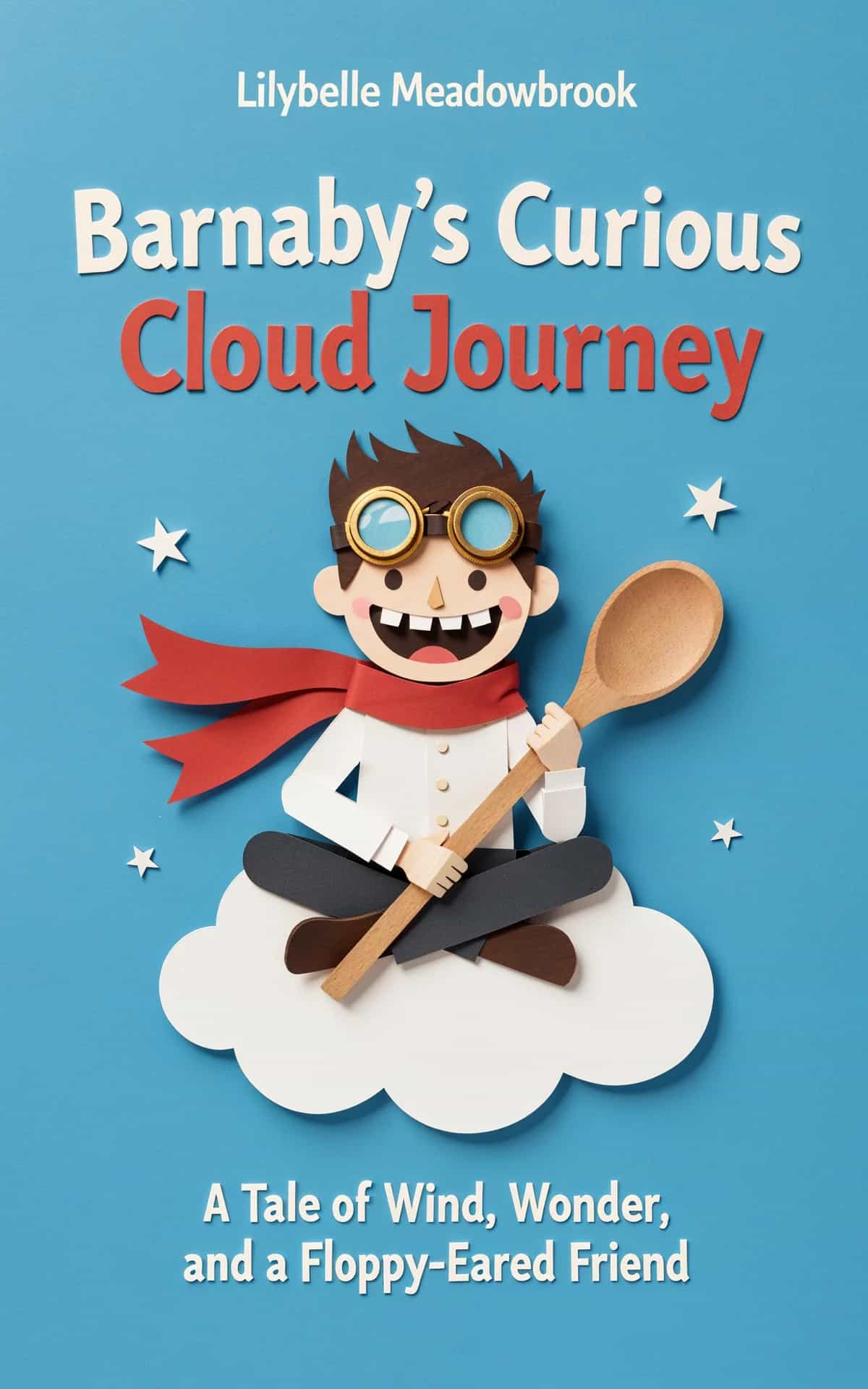
Before publishing your book, you need to see it through a fresh pair of eyes. Finding beta readers—by connecting with writing communities, social media, or dedicated services—is a critical step to ensure your story resonates with your target audience. This is how you confirm your story works before sending it out into the world.
Why Beta Readers Are Your Secret Weapon
You are too close to your own manuscript. You see every plot twist, every character motivation, and every bit of foreshadowing because you put it there. But does a reader feel the same magic? Beta readers are the ones who can answer that question.
Think of them as your first real audience, not as editors looking for a misplaced comma. They provide a vital reality check on the story itself.
The self-publishing world has exploded. The market has grown from around 2.3 million new books in 2013 to a staggering 4 million in 2021, and indie authors drive almost half of that growth. In a market this crowded, a polished, reader-vetted story isn't just a nice-to-have; it's your best shot at standing out. You can dig into more of these publishing trends to see the competitive landscape.
Clarifying Key Feedback Roles
To get the most out of this process, you must know exactly what a beta reader is—and what they are not. They play a specific role that’s different from other feedback providers.
- Alpha Readers: These are trusted friends or family who read the messy first draft, full of plot holes and rough dialogue. Their job is to offer encouragement and point out massive, glaring problems while the story is still taking shape.
- Critique Partners: These are fellow writers who swap manuscripts to give feedback on craft: pacing, character arcs, prose, and the technical elements of storytelling. They see it from a writer's perspective.
- Beta Readers: This is your test audience. They get a polished, almost-finished manuscript and report back on their experience as a reader.
A beta reader's feedback is a direct line into your target audience's mind. They will tell you, "I got bored in chapter three," or "I never believed the villain's motivation," or "That one scene made me cheer out loud." Their perspective is invaluable.
The True Value of Beta Feedback
Beta readers bridge the gap between the story in your head and the one on the page. They are incredible at spotting problems you’re completely blind to.
A scene you thought was crystal clear might be a confusing mess to someone else. A plot twist you planned for months might feel predictable to a die-hard fan of your genre. They catch these things because they're coming in with fresh eyes.
Ultimately, this process is about aligning your manuscript with reader expectations. Before you finalize the last round of edits or start using an AI tool to brainstorm ideas for your romance book covers, beta feedback confirms that the heart of your story is strong. It's the final quality check that can turn a good book into one that readers can't stop talking about.
Where to Recruit Your Ideal Readers
Finding the right beta readers is about knowing where they already spend their time. The perfect readers for your book are likely in a forum or a Facebook group right now, discussing books just like yours. You just have to know where to look.
The trick is to find a balance between your budget, your timeline, and the amount of administrative work you’re willing to do.
Before you start looking, ensure your manuscript is ready. A common mistake is sending out a draft that still needs foundational work. This decision tree can help you determine if you're ready or if you might be better off with a critique partner first.
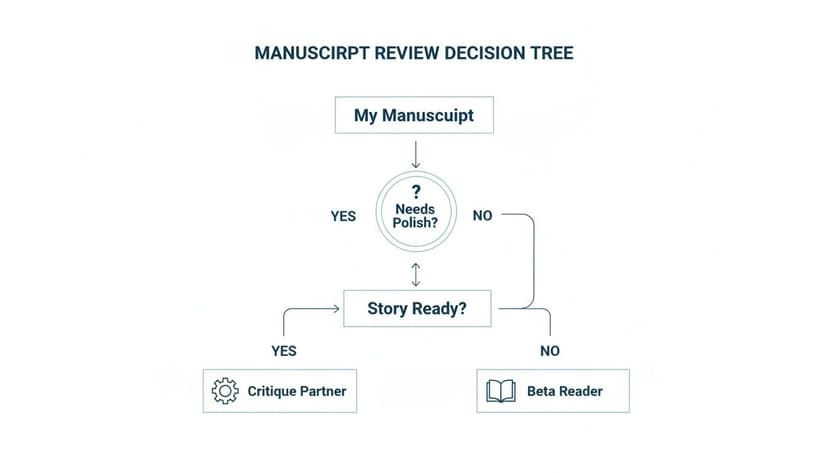
Essentially, if your story still needs major polishing on a craft level, a critique partner is your best bet. If the story is solid and you're ready for reader-level feedback, it's time to find beta readers.
Your Existing Network
Before diving into the internet, look closer to home. Your own audience, no matter how small, is often your most enthusiastic and reliable pool of potential readers.
- Your Email List: These individuals have already signed up to hear from you, which makes them the warmest possible leads. A simple, personal call for beta readers in your next newsletter can work wonders.
- Social Media Followers: Post a clear, engaging call for readers on your main platforms. Use relevant hashtags like #BetaReadersWanted and #AmWriting, and always mention your genre to attract the right crowd.
When you make your pitch, be specific. State the genre, word count, a quick blurb, and any content warnings upfront. This saves everyone time and ensures you only get applicants who are a genuinely good fit.
Free Online Communities
If your personal network is still growing, free online communities are your next stop. These places are filled with avid readers looking for their next favorite book.
- Goodreads Groups: A classic for a reason. Search for groups like "Beta Reader Group" or forums specific to your genre. The readers here are usually savvy and passionate.
- Facebook Groups: A quick search for "beta readers," "critique partners," or genre-specific groups (e.g., "Fantasy Writers & Readers") will reveal numerous options. These communities are often highly active and supportive.
- Reddit: Subreddits like r/BetaReaders are built for exactly this purpose. The format encourages straightforward requests and direct communication.
As an indie author, building a loyal readership early is non-negotiable, especially as more authors sell directly from their own websites.
Pitfall to Avoid: When you post in these communities, don't just drop a link and disappear. Engage with the group first—comment on other posts, join discussions, and become a familiar name. A little goodwill goes a long way.
To keep things organized, set up a simple beta tester signup form. It makes collecting applicant information much cleaner.
To help you decide where to focus your energy, here’s a quick breakdown of popular platforms.
Beta Reader Recruitment Platform Comparison
| Platform | Cost | Typical Reader Profile | Best For |
|---|---|---|---|
| Goodreads Groups | Free | Avid readers, genre experts, and other authors. Often very knowledgeable. | Authors on a budget who want deep, genre-specific feedback. |
| Facebook Groups | Free | A mix of casual readers and super-fans. Varies by group. | Building a community and finding readers who represent a broad audience. |
| Reddit (r/BetaReaders) | Free | Tech-savvy readers who value direct, no-fluff communication. | Authors who want quick connections and are comfortable with Reddit's format. |
| Your Own Network | Free | Your most loyal fans and followers. Already invested in your success. | Authors with an established email list or social media following. |
Free options are fantastic, but they do require you to invest time in finding and vetting people yourself.
Paid Beta Reading Services
If you're tight on time or want to skip the administrative headache, paid services are a great option. They connect you with vetted, experienced readers and handle the logistics.
These services are perfect for authors who need a fast turnaround or want to work with people who know how to give structured, actionable feedback. While it costs money, the investment can save you dozens of hours—time you could be spending on your next draft or planning your launch. For more on that, check out our guide on how to market a self-published-book.
The right path depends on your resources. Whether you’re tapping your community, exploring online forums, or hiring a service, the goal is the same: find readers who love your genre and are willing to give the honest feedback your story needs.
Vetting and Choosing Your Feedback Team

Once applications start rolling in, your job shifts from recruiter to casting director. This is where you hand-pick your all-star team. Remember, not all feedback is created equal. A small, dedicated group of three to five readers who understand your book will provide far more value than a dozen who are the wrong fit.
The single most important rule? Find people who read and love your genre.
Someone who lives and breathes epic fantasy is not equipped to give helpful feedback on your witty contemporary romance. Their opinions aren't "wrong," but they don't know the tropes, conventions, and reader expectations for your genre. Their feedback will miss the mark.
Creating a Simple Application Form
To screen for the right fit, you need a consistent way to gather information. A simple application using a tool like Google Forms is highly effective. It's free, keeps everything organized, and makes comparing applicants easy.
Your form doesn’t need to be an epic questionnaire. The goal is to get a clear, quick snapshot of their reading habits and what kind of feedback they are willing to provide.
Here are the most effective questions to include:
- What's your favorite genre to read? This is the knockout question. If their answer isn't your genre (or a very close cousin), it's an easy "no."
- What are your three favorite books in the [Your Genre] genre? This tells you if they are truly familiar with your corner of the market. If they list books with a similar tone to yours, that’s a fantastic sign.
- On average, how many books do you read per month? This gives you a sense of their reading activity. A frequent reader is more likely to hit your deadline without it feeling like a chore.
- Have you been a beta reader before? Experience is a plus, but not a requirement. First-timers can be amazing, but you might need to provide more guidance.
- What does "constructive criticism" mean to you? This is a personality check. Look for answers that talk about being helpful, specific, and kind while still being honest about what isn’t working.
Your goal here isn't to build an army. You're assembling a small, dedicated team. Aim for three to five beta readers. This gives you enough different perspectives to see patterns without drowning you in contradictory feedback.
Evaluating Applicants and Sending Invitations
As you read through the responses, look for enthusiasm. You want articulate readers who clearly love your genre and can explain why. Pay special attention to their favorite books and their definition of constructive criticism—you want a partner, not a heckler.
Once you have your shortlist, it's time to send the invitation emails. Make them professional, but warm and excited.
Here’s a quick checklist for your invitation email:
- Start with thanks: Thank them for applying and express your excitement to have them on board.
- Confirm the basics: Briefly restate the book's genre, word count, and any important content warnings.
- Set the timeline: Be crystal clear about the deadline. "I'll need your feedback in three weeks, by [Date]" works perfectly.
- Outline expectations: Let them know what you need. Are you looking for big-picture feedback on plot and characters, or are you worried about pacing in the second act? Direction is key.
- Attach the manuscript: Send the manuscript in an easy-to-use format like PDF or a Google Doc with commenting enabled.
- Include a questionnaire: Attaching a feedback form or a list of specific questions will guide their reading and ensure you get the insights you need.
Don't forget to send a polite "thanks, but not this time" email to everyone else who applied. Thank them for their interest and let them know you’ll keep them in mind for future projects. This small touch builds goodwill in the author community.
Building this team is as foundational as defining your author persona. For more on that, you can check out tips on creating a solid brand strategy template that reflects your voice.
Getting Your Readers Set Up for Success
Once you’ve hand-picked your dream team, the real work begins. You can’t just email a manuscript with a vague "what do you think?" and expect quality feedback. That approach leads to equally vague, unhelpful responses.
To get deep, insightful feedback that will transform your story, you need to onboard your readers properly. It’s all about managing expectations and giving them the right tools from the start.
Assemble a "Welcome Packet"
Think of this as the official kickoff for your beta read. It’s a single, organized document or email that bundles everything your readers need. This eliminates confusion and follow-up questions, ensuring everyone is on the same page from day one.
A solid welcome packet should include:
- A Quick Summary: A single paragraph to jog their memory of the core premise, main characters, and what’s at stake.
- Character Cheat Sheet: A simple list of key players with a one-sentence descriptor (e.g., "Jax — a disgraced star pilot hiding a dangerous secret"). This is a lifesaver in stories with larger casts.
- A Clear Timeline: Be explicit. State the start date and the feedback deadline. Three to four weeks is a standard window, giving them enough time to read thoughtfully without letting the project drag on.
- The Manuscript Itself: Send it in a user-friendly format. PDF is clean and universal, but a Google Doc with commenting enabled allows readers to drop notes right into the text.
Before you send the manuscript, give it one last polish. Using an AI writing assistant can help you clean up prose and fix clunky sentences, letting your beta readers focus on big-picture story elements instead of getting distracted by typos.
Write a Targeted Feedback Questionnaire
This is, without a doubt, the most important piece of the puzzle. A good questionnaire is the difference between getting a simple "I liked it!" and a detailed breakdown of why certain scenes hit hard while others fell flat. It nudges your readers to think critically about their experience.
Don't just ask if they enjoyed the book. Ask specific, targeted questions that get to the heart of storytelling.
Your questionnaire is a diagnostic tool. The questions you ask directly determine the quality of feedback you get. Zero in on the reader's emotional journey and their grasp of the story's mechanics.
Here are a few powerful questions to use, broken down by category:
Plot and Pacing
- Did the first chapter hook you? What specific moment made you want to keep reading (or not)?
- Were there any parts where your attention drifted or you felt the story dragging? If so, where?
- Did the ending feel earned and satisfying? Were there any loose ends that felt unintentional?
Character Arcs 4. Did you connect with the main character? What was their most relatable (or frustrating) moment? 5. Was the villain’s motivation believable? Did you understand why they were doing what they were doing? 6. Did any character do something that felt completely out of character for them?
Emotional Impact 7. Which scene packed the biggest emotional punch for you? 8. Did the overall tone of the story feel consistent? 9. Did the dialogue sound like real people talking?
These kinds of questions are designed to pull out macro-level feedback—the exact reason you recruited beta readers in the first place.
Set Crystal-Clear Expectations
Finally, you have to be direct about what you need. Most beta readers are volunteers who may not know the difference between story-level feedback and line editing.
I always include a short, friendly paragraph in my welcome email that says something like this:
"Please focus on the big picture! I'm looking for your thoughts on the plot, characters, and pacing. Please don't worry about typos or grammar mistakes—my professional editor will catch those later. I just want to hear about your experience as a reader."
This simple instruction is a game-changer. It saves your readers from spending hours correcting commas and frees them up to give you the feedback that truly matters.
Managing Feedback and Handling Criticism
After weeks of waiting, the first wave of feedback hits your inbox. This is often the most emotionally charged part of the process. You’ve just handed over a piece of your soul and asked people to point out its flaws.
The best thing you can do right now? Nothing. Seriously. Don't reply, don't argue in your head, and don't open your manuscript. Let the feedback sit for at least 24-48 hours. This cooling-off period lets you shift from a defensive posture into a more objective, diagnostic mindset.
Taming the Feedback Beast
Once you’re ready to dive in, you need a system to make sense of it all. Working directly from emails or comments in a Google Doc is a recipe for overwhelm.
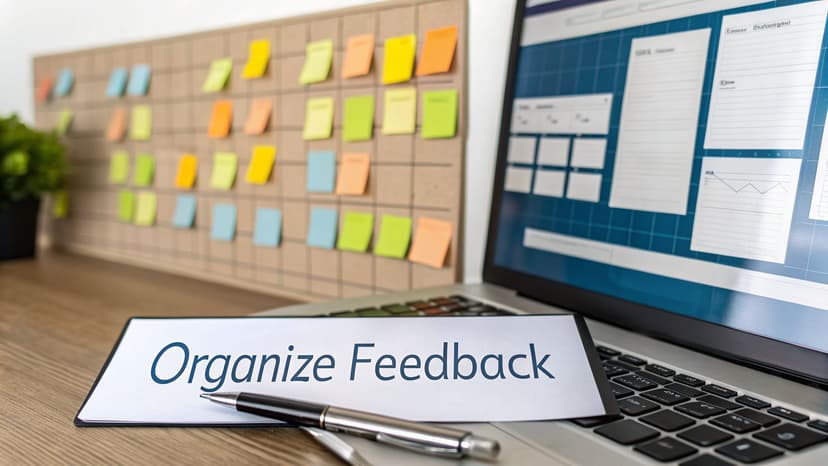
A simple spreadsheet is your best friend here. Create columns for the reader's name, the chapter or page number, their raw comment, and a final column for your own notes and proposed action. This turns a chaotic flood of opinions into a neat, manageable list.
As you fill it out, you’re not just logging data—you're hunting for patterns. One reader not liking your main character? That's just taste. But when three out of five readers say the same character feels flat or that the pacing in Act Two grinds to a halt? You've identified a real problem.
Recurring feedback is where the magic happens. These aren't opinions anymore; they're data points highlighting objective weaknesses in your manuscript. They're problems to be solved.
Once you have everything logged, start sorting it into buckets. This helps you see the big-picture issues instead of getting bogged down in minor details.
Common Feedback Categories:
- Plot and Pacing: Comments about plot holes, confusing timelines, or parts that feel too slow or rushed.
- Character Development: Feedback on a character's motivation, believability, or emotional journey.
- World-Building and Clarity: Notes on confusing descriptions, inconsistent world rules, or places where the reader felt lost.
- Dialogue and Voice: Comments on unnatural dialogue or characters whose voices don't feel distinct.
This structured approach transforms a terrifying pile of notes into an actionable revision plan.
See the Problem, Not the Solution
Learning to take criticism gracefully is a skill that takes practice. The most important rule is to look for the problem the reader found, not the solution they offered.
A beta reader might say, “You should add a scene where the hero trains with a sword.” Your gut reaction might be to reject that—a training montage feels like a tired cliché.
But wait. Don't dismiss the comment. While their proposed fix might not be right for your book, the underlying problem they felt is almost certainly real. The real issue might be that the hero's victory in the final battle felt unearned. Their suggestion was just one way to solve it. Your job is to find the solution that fits your story.
Every piece of feedback, even the points you ultimately disagree with, is a gift. It's a peek inside a reader's mind, showing you where their experience of the story strayed from your intent. That's priceless information for anyone navigating the journey to self-publish a book and make an impact.
To stay focused, use a simple checklist to triage the feedback you receive. It helps separate subjective taste from objective story problems.
Beta Feedback Action Plan
This simple table helps you process comments without getting defensive, forcing you to diagnose the root cause before jumping to a solution.
| Feedback Category | Key Question to Ask Yourself | Actionable Next Step |
|---|---|---|
| Pacing | Did multiple readers feel a section was slow or rushed? | Look for opportunities to trim exposition or add a scene to raise the stakes. |
| Character Motivation | Is a character's choice confusing or unbelievable to readers? | Revisit earlier scenes to better establish their goals, fears, or personality traits. |
| Plot Holes | Did a reader point out a logical inconsistency or unanswered question? | Brainstorm ways to close the loop, either by adding new info or adjusting events. |
| World-Building | Are readers confused about the rules or setting of your world? | Identify the specific chapter and add a sentence or two of clarifying detail. |
| Conflicting Advice | Did one reader love what another one hated? | Note the feedback but take no action unless a clear pattern emerges from other readers. |
This forces you to think like an editor, not just a writer, and make changes that genuinely improve the reader's experience.
Building Your Author Street Team
Finally, don't forget the most important step: thank your readers. These people gave you hours of their life and focused attention to help you. A personal, heartfelt thank-you email is the absolute bare minimum.
If you can, go a step further to show your gratitude:
- Give them a public shout-out in your book’s acknowledgments section (always ask their permission first!).
- Send them a free copy—digital or physical—of the final, published book.
- Offer a small gift card for coffee or books as a token of your appreciation.
These gestures aren't just about being polite. They are how you build a network of loyal, dedicated readers who will be first in line to beta read your next book—and to buy it, review it, and tell their friends about it on launch day. This team is one of the most valuable assets an indie author can have.
Burning Questions About Beta Reading
Once you’ve cracked the code on how to find beta readers, a whole new set of questions tends to pop up. Let's tackle some of the most common ones I hear from authors.
How Many Beta Readers Do I Really Need?
There's no magic number, but the sweet spot is a team of three to five reliable readers. This isn't a random range; there’s a good reason for it.
With a group this size, you can start to spot patterns. If one person doesn’t like your villain, that could just be their personal taste. But if three of them say the same thing? That’s not a preference; that's a problem you need to fix.
At the same time, it’s a small enough group to manage without drowning in conflicting advice. Any fewer than three, and you can’t tell if a comment is an outlier. Any more than five, and you risk analysis paralysis from trying to please everyone.
Should I Pay My Beta Readers?
For the most part, no, you don’t need to pay beta readers. The vast majority of people you'll find on community hubs like Goodreads, Reddit, or genre-specific Facebook groups are there because they genuinely love books. They're thrilled to get an early look at a new story.
The exception? You should expect to pay if you're using a professional beta reading service or if you need a guaranteed, fast turnaround for a tight deadline.
But just because you aren't paying cash doesn't mean you shouldn't show your appreciation. A little gratitude goes a long way. Consider offering:
- A free copy of the final ebook or paperback.
- A personal shout-out in your book's acknowledgments.
- A small gift card for a coffee or a book as a thank-you.
The most important thing is to be upfront about compensation—or the lack of it—from your very first message.
What Are the Biggest Mistakes to Avoid?
I've seen authors make the same handful of mistakes over and over again. The good news is they're all pretty easy to sidestep with a little planning.
Here are the classic blunders to steer clear of:
- Using Friends and Family: They love you, which is precisely the problem. Their feedback is almost always softened by the desire not to hurt your feelings, and that's not going to help you improve your book.
- Skipping the Vetting Process: This is a huge one. Sending your manuscript to someone who doesn't even read your genre is a recipe for disaster. A hardcore thriller fan isn't going to understand the pacing conventions of a cozy mystery.
- Sending a Messy First Draft: Your manuscript shouldn't be a mess of typos and grammatical errors. That stuff is distracting and pulls your readers out of the story, preventing them from giving you the big-picture feedback you actually need.
- Giving Vague Instructions: If you don't ask specific questions, you'll get vague answers like "It was good!" You have to guide your readers toward the insights you need on plot, pacing, and character development.
- Arguing with Criticism: Your first instinct might be to defend your work. Don't. Your job isn't to win an argument; it's to listen. Try to understand the underlying problem the reader is pointing out, even if you totally disagree with their suggested fix.
How Do I Know if Feedback Is Actually Helpful?
Good, constructive feedback is all about specifics. It focuses on the reader's personal experience with the story and explains why something didn't click for them.
Look for comments like, "I was confused in Chapter 5 because the timeline jumped without warning," not just "Chapter 5 was confusing." The first one gives you a clear problem to solve.
The best way to sort the good from the bad is to look for those patterns I mentioned earlier. If multiple readers flag the same issue—a sagging middle, an unconvincing character decision—that’s your cue to roll up your sleeves and revise.
Feel free to dismiss feedback that’s just plain mean, or from someone who is clearly trying to rewrite the story in their own voice. Your job is to diagnose the problem, not necessarily to swallow their prescription whole.
Ready to Create Your Own Book Cover?
Turn your story into a visual masterpiece. Fill in the details below to start generating professional covers instantly.
