Does Purple and Blue Match on a Book Cover?
Does purple and blue match? Learn the secrets of color theory to create a stunning book cover that captivates readers and boosts clicks on KDP.
Posted by
 Pablo Yáñez
Related reading
Master Dark Teal Hex Code for Stunning Covers
Find the official dark teal hex code (#014D4E) for book covers. Learn color psychology, palettes, and KDP print tips to perfect your design.
Your Guide to the Burgundy Color Code for Book Covers
Discover how to use the burgundy color code for your book cover. Get HEX, RGB, and CMYK values to create a cover that sells on Amazon KDP.
The Cobalt Blue Color Code: A Guide for Book Cover Design
Discover the exact cobalt blue color code (Hex, RGB, CMYK) and learn how to use it for book covers that stand out on Amazon KDP and beyond.
Ready to design your cover?
Use our AI book cover generator to create tailored book cover concepts in minutes.


So, do purple and blue actually work together on a book cover? The answer is a resounding yes. When this combination is executed well, it’s one of the most powerful and compelling pairings in a designer’s toolkit. For indie authors, this duo can be a secret weapon for nailing your genre and mood at a single glance.
The Power of Pairing Purple and Blue on Book Covers
Your book cover is the first and most critical pitch to a potential reader. It has to stop the scroll, instantly signal the genre, and make a promise about the story inside—all in less than a second. This is exactly where the purple and blue combination proves its worth.
From a design perspective, there’s no debate. Purple and blue are analogous colors, meaning they live right next to each other on the color wheel. This natural closeness creates an effortless sense of harmony that our eyes find incredibly pleasing. Picture a sunset as deep lavender fades into a twilight blue; the transition feels natural, complete, and just right.
How Color Psychology Sells Your Story
Beyond the visual appeal, this pairing packs a psychological punch that you can use to your advantage. Each color carries a set of powerful associations that, when combined, send a rich and layered message to your ideal reader.
Before diving into the specifics, it's helpful to see these associations side-by-side. Think of this table as a quick-reference guide to understanding how these two colors work, both alone and together.
Purple vs. Blue: A Quick-Reference for Authors
| Color | Primary Associations | Common Genres | Combined Effect with Analogous Partner |
|---|---|---|---|
| Purple | Royalty, luxury, mystery, magic, wisdom, creativity | Fantasy, paranormal romance, spiritual, literary fiction | Adds a layer of sophistication and intrigue to blue's reliability. |
| Blue | Trust, calm, intelligence, stability, depth, melancholy | Sci-fi, thriller, corporate non-fiction, contemporary | Grounds purple's mystical quality, making it feel more accessible. |
Blending these two allows you to communicate complex ideas quickly. You're not just saying "this is a fantasy book"; you're saying "this is a fantasy book with a deep, trustworthy world and a touch of magic."
The Combined Psychological Impact
Let's break down how this works on a practical level.
-
Purple Projects Sophistication and Mystery: Historically tied to royalty and wealth, purple immediately gives your cover a premium feel. It also hints at magic, creativity, and the unknown, making it a go-to for genres like fantasy book covers, paranormal romance, and books on spirituality.
-
Blue Builds Trust and Depth: Blue is one of the most universally loved colors, and it triggers feelings of stability, calm, and intelligence. For authors publishing on KDP, a cover heavy on blue can create an immediate sense of trust, signaling a well-crafted story or credible non-fiction.
When you merge purple's allure with blue's inherent calm, something special happens. The combination can project both high quality and reliability.
Of course, color is just one piece of the puzzle. Understanding what makes a good book cover in its entirety—typography, composition, and imagery—is crucial. By combining smart color theory with solid design principles, you give your book the best possible chance to stand out.
How to Use Shade and Saturation to Set the Mood
So, we’ve established that purple and blue can work together. But just knowing they can match is only half the battle. The real secret, the thing that separates an amateur cover from a professional one, is how you combine them.
The specific combination you choose tells a reader whether your book is an epic fantasy or a soft, dreamy romance. It all comes down to mastering three simple levers: shade, value, and saturation. Think of it like a sound mixer in a recording studio—you're not just playing two notes, you're adjusting their volume and tone to create a specific feeling.
The Building Blocks of Color Mood
Getting a handle on these concepts gives you the language to make smarter design choices. Whether you're briefing a designer or generating cover concepts with an AI tool, this is the vocabulary that gets results.
- Shade (The Darkness): This is how much black you mix into a color. More shade gives you deep, serious tones like a rich navy blue or a dark plum. These colors feel grounded, mysterious, and sophisticated.
- Value (The Lightness): This is the opposite—how much white is mixed in. High-value colors are your pastels, like a soft lavender or a pale sky blue. They create a feeling that's airy, gentle, and approachable.
- Saturation (The Intensity): This refers to the color’s raw purity. High-saturation colors are bold and energetic, like an electric purple that screams for attention. Low-saturation colors are muted and subtle, like a dusty, grayish-blue that feels more reserved.
By pulling these three levers, you can fine-tune your cover's emotional signal with incredible precision.
A classic mistake many authors make is picking two colors that have almost the same shade, value, and saturation. This creates a flat, muddy design where nothing stands out. Your title gets lost, your imagery blends into the background, and the whole thing turns to mush in a tiny Amazon thumbnail.
Practical Application for Your Book Cover
Let's put this into practice. How does this actually play out on a real book cover? Here are two scenarios that show how purple and blue can work together to create completely different genre signals.
Scenario 1: High-Contrast Urban Fantasy
For an action-packed urban fantasy or a twisty sci-fi thriller, you need a cover that grabs a reader. A great way to achieve this is by pairing colors with wildly different saturation and shade levels.
- Color A: A high-saturation, medium-shade royal purple. This color is pure energy; it’s vibrant and demands to be seen.
- Color B: A low-saturation, dark-shade navy blue. This provides a stable, serious backdrop that lets that electric purple do all the work.
This combo creates incredible dynamism. The purple pops, drawing the eye right where you want it, while the dark navy adds depth and makes the whole design feel deliberate and professional. The principles here are all about contrast, which is just as vital when working with other cool tones like an aqua blue color.
Scenario 2: Soft, Harmonious Romance
Now, let's flip the script for a contemporary romance or a moving piece of women's fiction. Here, the goal isn't high-octane energy; it's a gentle, inviting mood.
- Color A: A high-value, low-saturation pale lavender. This color feels soft, dreamy, and instantly calming.
- Color B: A high-value, low-saturation sky blue. It sits right alongside the lavender, creating a serene and cohesive feel.
In this pairing, the colors have very similar values and saturation. This creates a low-contrast, harmonious palette that feels unified and peaceful—perfect for a story centered on emotion and relationships. Using an AI tool to test these subtle variations can be a powerful way to visualize how a tiny tweak to saturation can completely transform a cover's entire vibe.
Let's get down to business. Choosing the right palette isn't just about picking colors you like; it’s about signaling your genre to the right readers. A specific combination of purple and blue can act as a powerful shortcut, telling someone browsing a digital bookstore that your book is exactly what they're looking for.
For indie authors trying to carve out a space in a crowded niche, this is non-negotiable. Your colors create an instant connection with your target reader. The key is to control the mood by using shade, value, and saturation as dials to fine-tune the feeling your cover evokes.
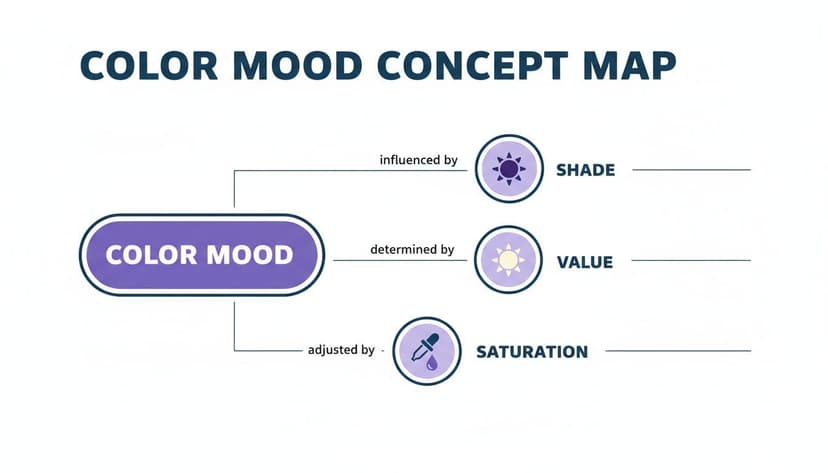
As you can see, cranking up the darkness or intensity lends a more serious, dramatic tone. Increasing lightness and dialing back saturation results in a softer, more approachable vibe.
Let's look at some specific starting points for popular genres.
How to Match Purple and Blue for Specific Book Genres
To make this more concrete, this table provides starting points with hex codes. These palettes are designed to align with reader expectations for some of the biggest genres out there.
| Genre | Primary Purple (Hex) | Accent Blue (Hex) | Rationale and Mood |
|---|---|---|---|
| Epic Fantasy | #3D0B4F (Regal Purple) |
#0B132B (Midnight Blue) |
Evokes royalty, ancient magic, and high stakes. Promises a rich, epic world. |
| Science Fiction | #6A0DAD (Electric Violet) |
#00FFFF (Digital Cyan) |
High-contrast and energetic. Signals advanced tech, futurism, and action. |
| Contemporary Romance | #D8BFD8 (Pale Lavender) |
#B0E0E6 (Powder Blue) |
Soft, dreamy, and serene. Creates a light, hopeful, and romantic feeling. |
| Paranormal Romance | #483D8B (Amethyst) |
#008080 (Deep Teal) |
Combines passion and mystery. Hints at a magical world hidden within our own. |
| Psychological Thriller | #6C5B7B (Dusty Lavender) |
#708090 (Steely Blue) |
Muted and desaturated. Creates an unsettling mood of unease and tension. |
These are great starting points. Remember to always consider your specific story—a lighthearted urban fantasy might use brighter tones than a gritty one, even within the same genre.
Palettes for Fantasy and Science Fiction
Speculative fiction genres are where you can create something dynamic. Readers here are looking for covers that scream magic, technology, and worlds beyond our own.
-
Epic Fantasy: Go for a deep, regal purple paired with a dark, midnight blue. This combination feels ancient and powerful, hinting at courtly intrigue, powerful magic, and world-altering stakes. It’s a classic for a reason, seen on countless compelling fantasy book covers.
-
Science Fiction: For a futuristic feel, you need high contrast. Try a vibrant, electric violet against a sharp, digital cyan. This pairing shouts advanced technology, pulsing energy, and discovery. It's the perfect look for cyberpunk, space opera, and other futuristic sci-fi cover ideas exploring the frontiers of innovation.
Your cover's color palette is a promise to the reader. A dark, mysterious purple-blue combo promises epic battles and ancient secrets. A bright, energetic pairing promises starships and laser-fueled adventure.
Palettes for Romance and Thrillers
When your story is grounded in powerful human emotion, whether it’s love or fear, your colors need to set the stage perfectly.
Contemporary Romance: Think soft and dreamy. A gentle pale lavender next to a calm powder blue creates a mood of serenity and sweetness. This is a low-contrast, high-value palette that feels light, hopeful, and unabashedly romantic—perfect for an emotional, feel-good story.
Paranormal Romance & Urban Fantasy: Here, you need a blend of passion and mystery. A rich amethyst purple against a moody indigo or deep teal strikes the perfect balance. It feels both magical and grounded in a modern world, hinting at the supernatural hiding just beneath the surface.
Psychological Thriller: To create tension, you need to pull the color out. Muted, desaturated tones are your best friend. A dusty, grayish-lavender combined with a cold, steely blue feels immediately unsettling. The lack of vibrancy is what creates the unease, which is exactly the feeling you want to evoke. For a deeper dive into how these emotional cues work, don't miss our guide on color psychology for branding.
Ensuring Readability with Smart Typography Choices

You can land on the most stunning purple and blue palette, but it won’t mean a thing if readers can’t read your title. Once you’ve nailed the mood, the next critical step is legibility. This is especially true for those tiny thumbnails on Amazon, where your cover has seconds to grab someone's attention.
The relationship between your background and your text is all about contrast. High contrast isn't just a suggestion; it's non-negotiable for both visibility and accessibility. A cover that’s hard to read is a cover that gets scrolled past.
The golden rule of cover typography is simple: light on dark, dark on light. A title or author name must pop off the page, clearly distinguishable from the colors behind it. Your cover isn't just art—it's a marketing tool that needs to perform.
Mastering Contrast with Purple and Blue
So, when does purple and blue match? For typography, the answer lives entirely in the shade and value. A deep, moody purple and blue background absolutely demands light, bright text to stand out.
-
For Dark Backgrounds: If your cover is a swirl of deep amethyst and navy, your typography needs to be the light. Think white, silver, or a pale, soft yellow for your title and author name. These colors will leap off that dark backdrop.
-
For Light Backgrounds: On the other hand, if you’ve gone with a dreamy pastel lavender and sky blue, you need the opposite. Go for black, charcoal gray, or a very deep navy for your text to keep it crisp and grounded.
This simple principle is fundamental to a professional design. If you're serious about creating a cover that's easy on the eyes for everyone, digging into accessible color palettes is a fantastic next step.
Choosing the Right Font Style
Beyond just color, the style of your font plays a massive role in whether it survives on a busy background. A font that looks gorgeous on its own can vanish when placed on a complex image.
That delicate, whisper-thin serif font might feel perfect for a literary novel, but it will get eaten alive by a rich purple-and-blue gradient. The fine lines don't have the muscle to compete with the background.
Conversely, a bold, clean sans-serif font is a workhorse. It commands attention and holds its own against almost any background because its strong, uniform strokes stay legible even when shrunk down to a tiny thumbnail. When in doubt, a simpler, bolder font is almost always the safer bet. Experimenting with an AI tool can be helpful here, allowing you to quickly test font pairings and see how they interact with your color scheme before you commit. The goal is a font that not only fits your genre but stands out loud and clear against your purple and blue palette.
Common Mistakes to Avoid with Purple and Blue
Just because purple and blue can work together doesn't mean they always do. Knowing they're a good match is one thing, but making them look good is what separates a professional cover from an amateur one.
Even with the right idea, a few common design traps can turn this powerful duo into a jarring or cheap-looking mess. Steering clear of these mistakes is how you create a polished cover that instantly signals the right genre to your ideal reader.
Pitfall #1: Ignoring Genre Conventions
The biggest pitfall is ignoring the established color language of your genre. Your cover is a promise to the reader, and color is a huge part of that promise.
Using a soft, pastel palette of lavender and sky blue for a gritty thriller sends a completely wrong message. Readers hunting for a dark, tense story will scroll right past it, assuming it’s a light romance.
The reverse is just as damaging. A deep, moody palette of midnight blue and regal purple on a lighthearted rom-com cover would feel bizarre and fail to attract anyone looking for a laugh. Always ask yourself: does my color palette look at home next to the bestsellers in my specific niche?
Pitfall #2: The "Muddy Middle" and Other Design Traps
A great cover sidesteps the subtle design traps that can sink a book before it's ever clicked. Here’s a quick checklist of what to watch out for and how to fix it.
-
Mistake: Poor Contrast. This is a rookie error, especially with typography. Slapping dark purple text on a dark blue background makes your title and author name vanish, especially in a tiny Amazon thumbnail.
- Do This Instead: Always go for high contrast with your text. Use light text (white, silver, pale yellow) on dark backgrounds, and dark text (black, deep navy) on light ones. Test it by squinting—if it disappears, it’s not working.
-
Mistake: The "Muddy Middle." This is what happens when you pick a purple and a blue with almost identical shades and saturation. You get a flat, one-dimensional design where nothing stands out and your focal point gets lost.
- Do This Instead: Create a clear visual hierarchy by varying the shade or saturation. Pair a punchy, saturated color with a more muted one, or a light color with a dark one. This is how you make your key elements pop.
-
Mistake: Overly Complex Gradients. A smooth, simple gradient can be gorgeous. A busy one with too many colors or harsh, chunky transitions just looks dated and amateurish. It ends up distracting from your cover's focal point instead of enhancing it.
- Do This Instead: Stick to a simple, two-color gradient or let one color dominate with a subtle accent. You can test different gradient styles using an AI tool like BeYourCover to see what actually supports your imagery instead of fighting it.
By consciously avoiding these mistakes, your purple and blue cover will look intentional and professional, giving your book a much better shot at grabbing the right reader’s eye.
Frequently Asked Questions About Using Purple and Blue
You've got the theory down, you've seen the genre palettes, and you know the pitfalls to avoid. But this is where last-minute, nitty-gritty questions often come up. Let's tackle the common hang-ups authors face when finalizing their purple and blue book covers so you can publish with confidence.
What Third Color Works Best with Purple and Blue?
While a purple and blue combo is powerful on its own, a third color can be just what you need for that extra pop of contrast. The trick is to choose an accent that complements the harmony, not one that crashes the party.
For most covers, your safest and most effective bets are either a metallic or a crisp neutral.
-
Metallics (Gold or Silver): A splash of gold or silver in your typography is a shortcut to looking sophisticated. Gold pairs beautifully with warmer purples, while silver shines next to cooler blues and violets. This is a go-to move for fantasy, paranormal romance, and premium non-fiction.
-
Crisp Neutrals (White or Black): A clean, bright white is your best friend for creating high-contrast text that leaps off a dark purple and blue background. It feels modern and guarantees your title is readable. On the flip side, black works wonders on lighter pastel palettes to ground the design and give your title a solid anchor.
The key is restraint. Think of this third color as a strategic accent—a pop of spice that enhances the main dish, not a third main course that overwhelms the plate.
Can I Use Purple and Blue for a Non-Fiction Book?
Absolutely. While this duo is a fiction powerhouse, its psychological triggers are just as potent for non-fiction, as long as you dial in the right shades. The combination of blue (trust, authority) and purple (wisdom, quality) is a perfect match for a wide range of non-fiction topics.
To make it work, lean into darker, more serious shades to project credibility.
- For Innovation and Creativity Topics: A deep navy blue paired with an accent of a thoughtful purple signals expertise and fresh ideas.
- For Spiritual or Wellness Guides: A palette of rich indigo and muted amethyst creates a feeling of calm, introspection, and wisdom.
- For Business or Leadership Books: Pair a corporate, trustworthy blue with a subtle, regal purple to suggest premium quality and forward-thinking strategy.
How Can I Test If My Purple and Blue Cover Is Effective?
Designing in a vacuum is one of the fastest routes to a cover that falls flat. Before you commit, you absolutely must test your design to see how it lands with your actual target audience.
Here are a few proven ways to get real-world feedback:
- Ask Your Audience: Share two or three variations with your email list or social media followers and run a simple poll. The most important question isn't "Which do you like?" but "Which one makes you want to read the book?"
- Use A/B Testing Tools: Services like PickFu are fantastic for getting unbiased feedback from a panel of people who fit your reader demographic. This gives you hard data on which design will actually drive clicks.
- Generate Variations with an AI Tool: If you’re stuck between a few shades or layouts, using an AI tool to create cover variations is an incredibly efficient way to explore your options. You can generate multiple concepts in minutes, letting you compare them side-by-side to see which purple and blue combination truly sings.
Ready to Create Your Own Book Cover?
Turn your story into a visual masterpiece. Fill in the details below to start generating professional covers instantly.
