12 Best Books on Color Psychology for Authors and Designers in 2025
Discover the top 12 books on color psychology to create better, genre-perfect book covers. Our list helps authors and designers master color theory.
Posted by
 Pablo Yáñez
Related reading
8 Shades of Blue Color Palette Options for Your Book Cover
Explore a shades of blue color palette to elevate your book cover design. Learn how to choose the right blue to match your genre and attract more readers.
Visual Hierarchy in Graphic Design for Book Covers That Sell
Learn how visual hierarchy in graphic design can turn your book cover into a powerful sales tool. Master the principles to create KDP-ready covers that pop.
How to use fonts for book covers: Master Genre Pairing & Typography Tips
Learn how fonts for book covers influence genre, legibility, and mood. Get tips on pairing and licensing to design a cover that sells.
Ready to design your cover?
Use our AI book cover generator to create tailored book cover concepts in minutes.

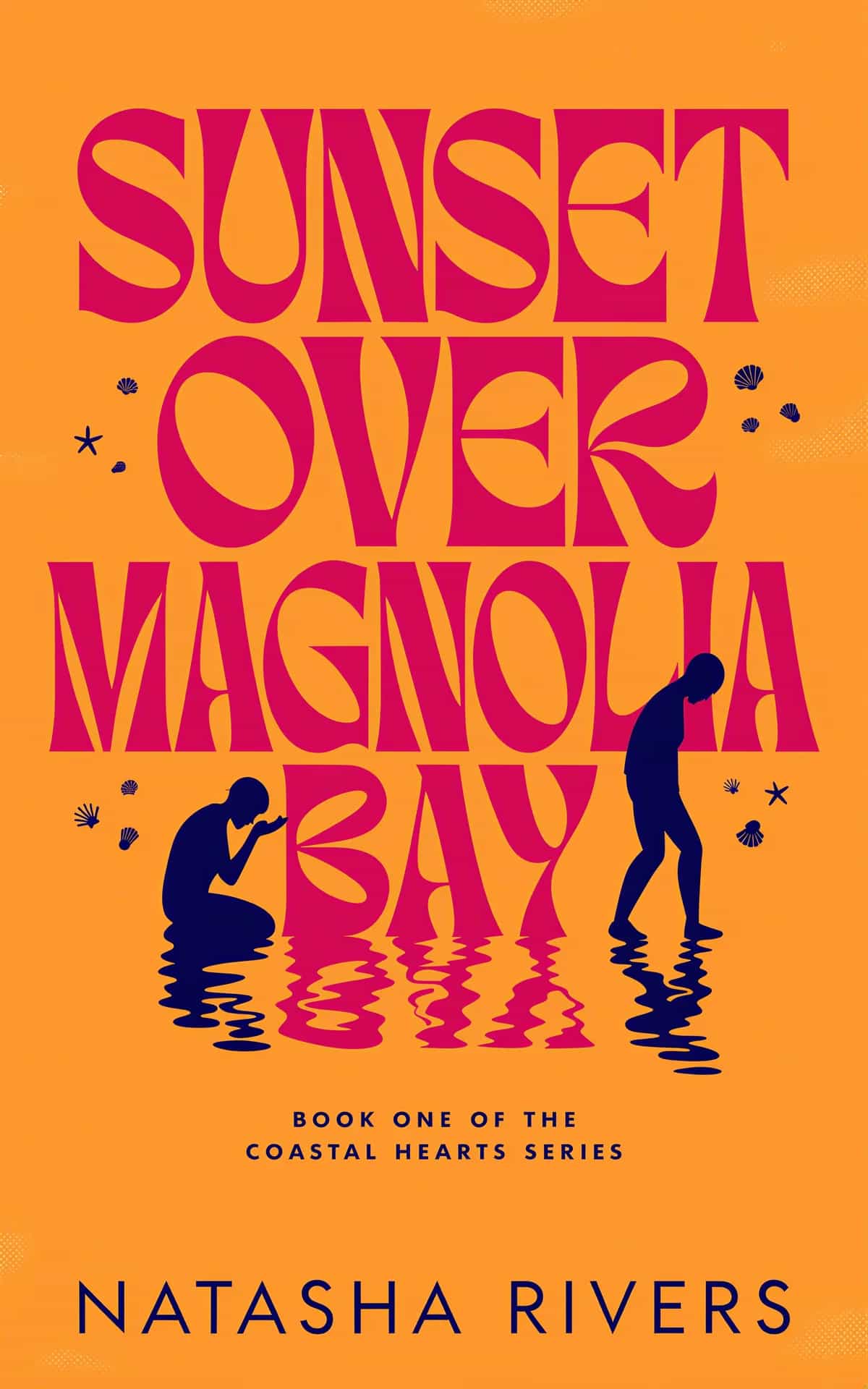
Choosing the right colors for a book cover isn't just about aesthetics; it's a powerful form of communication. The perfect palette can signal genre, evoke specific emotions, and capture a potential reader's attention in a crowded marketplace. But how do you move beyond subjective preference to make informed, strategic color choices? The answer lies in understanding the principles of color psychology, and the most comprehensive knowledge is found in dedicated books on the subject. This guide is built to help authors and cover designers find the exact resources they need to master this critical skill.
We've compiled a definitive list of the best books on color psychology, from foundational texts for beginners to advanced academic studies for deep research. For authors building a knowledge base on this topic, learning from a practical guide on how to conduct a literature review can be an invaluable first step in structuring your research and synthesizing information effectively.
Each entry in our listicle goes beyond a simple summary. You will find:
- Key Takeaways: Specific lessons you can apply directly to book cover design.
- Target Reader Level: Clear guidance on whether a book is for a beginner or an advanced practitioner.
- Practical Application: Actionable tips for using the book's concepts within tools like BeYourCover to select palettes and signal genre conventions.
- Buying and Availability Notes: Direct links and information on where to find each book, from major retailers like Amazon to academic publishers like Routledge and Cambridge University Press.
This resource is designed to be your one-stop shop, cutting through the noise to connect you with the knowledge that will elevate your cover designs from good to unforgettable. Let's explore the essential reads.
1. Amazon
As the world's largest online retailer, Amazon is the undeniable starting point for sourcing nearly any book on color psychology. Its massive catalog covers everything from foundational academic texts to niche, independently published guides, making it an essential resource for authors and designers at all levels. You can find multiple formats, including new and used paperbacks, hardcovers, and Kindle eBooks, often on the same product page.
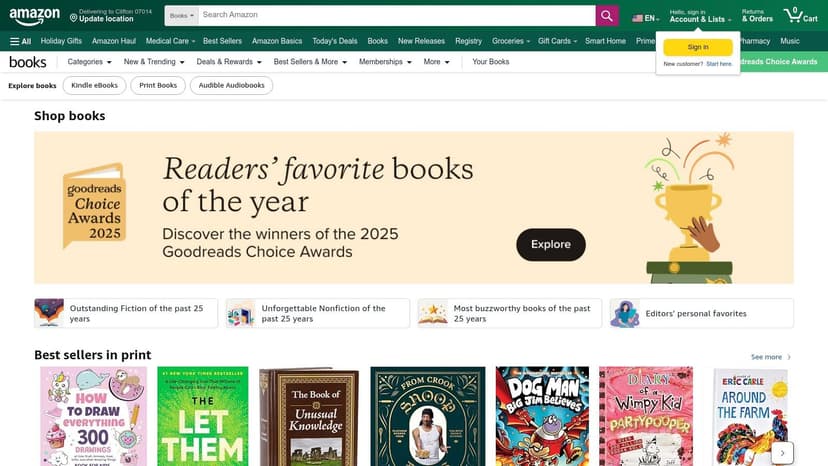
This platform excels in its sheer breadth of options and competitive pricing. The user review system, while not infallible, provides valuable social proof and insight into a book's content and quality, helping you decide between different titles or editions.
Key Considerations & Usage Tips
For authors and designers, Amazon's value lies in its convenience and comparison tools. You can quickly check availability, compare prices from Amazon directly against third-party sellers, and often bundle print and Kindle versions for a reduced price. Prime members benefit from fast, free shipping, which is a significant advantage when you need a resource quickly.
Pro-Tip: Use the "Look Inside" feature to preview a book's table of contents and introduction. This is crucial for verifying if the content aligns with your specific needs for book cover design before you make a purchase.
| Pros | Cons |
|---|---|
| Best overall selection of new and used books | Third-party seller quality and shipping can be inconsistent |
| Competitive pricing across multiple formats | Overwhelming number of options can make choices difficult |
| Extensive user reviews for content validation | Condition of used books can be a gamble |
| Fast shipping and easy returns with Prime | Some niche or out-of-print titles may be unavailable |
Website: https://www.amazon.com/books
2. Barnes & Noble
As a major national bookseller, Barnes & Noble offers a curated selection of new print books, NOOK eBooks, and audiobooks. It serves as a reliable source for current and popular books on color psychology, especially mainstream releases and academic handbooks. The platform’s major advantage is its blend of a strong online presence with physical retail stores, allowing for in-person browsing and immediate pickup.
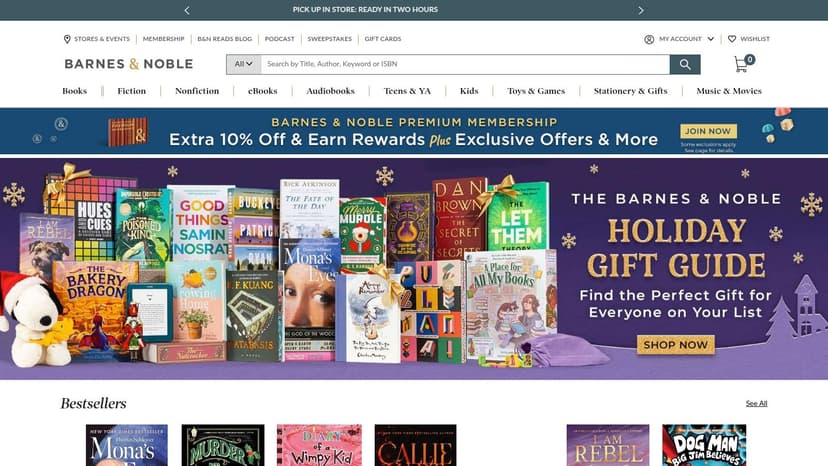
This retailer stands out for its well-organized catalog and trustworthy fulfillment process. While its total inventory may not match Amazon's, the titles it carries are typically well-vetted, making it easier for designers and authors to find quality, established works without sifting through countless low-rated options.
Key Considerations & Usage Tips
For authors and designers, Barnes & Noble is an excellent resource for sourcing high-quality, new-condition print books quickly. The "Available for Store Pickup" feature is a key differentiator, allowing you to check local inventory and grab a needed resource the same day. This is invaluable when you are working on a tight deadline for a book cover design project and need immediate inspiration.
Pro-Tip: Use the B&N website to check stock at your local store before visiting. You can reserve a copy online for in-store pickup, guaranteeing it will be there when you arrive and saving you a potentially wasted trip.
| Pros | Cons |
|---|---|
| Trusted retailer with physical store locations | Selection of used or out-of-print titles is limited |
| In-store pickup option for immediate access | Prices can be higher than online-only marketplaces |
| Curated selection of high-quality titles | eBooks are locked into the proprietary NOOK ecosystem |
| Clear stock indicators and reliable shipping | Fewer user reviews compared to larger platforms |
Website: https://www.barnesandnoble.com
3. Bookshop.org
For those who want to buy new books on color psychology while making a positive social impact, Bookshop.org is an excellent ethical alternative. This online platform is designed to financially support independent bookstores, giving you a way to purchase essential resources while contributing to the health of local literary communities. Its catalog is robust, offering a wide array of new titles in both physical and eBook formats.
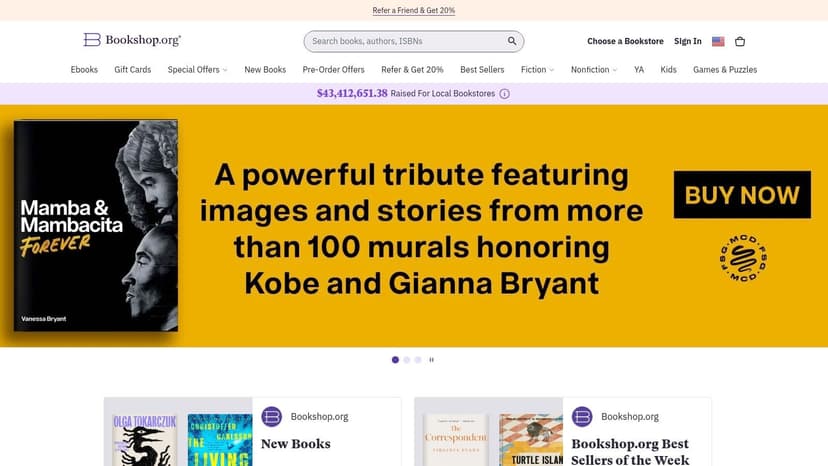
The platform stands out with its mission-driven model. A portion of every sale goes into an earnings pool that is evenly distributed among independent bookstores. This makes it a feel-good choice for designers and authors who value supporting small businesses but still need the convenience of online shopping and national shipping.
Key Considerations & Usage Tips
Bookshop.org is best utilized for purchasing new print editions of popular or recently published books on color psychology. Its clean interface and curated lists from actual booksellers can help you discover titles you might have otherwise missed. While it doesn't have a user review system as extensive as Amazon's, the quality of its curated selections often speaks for itself.
Pro-Tip: If you have a favorite local bookstore, you can search for them on the platform and make a purchase through their specific affiliate page. This ensures they receive the full profit margin from your sale, offering them direct support.
| Pros | Cons |
|---|---|
| Directly supports independent bookstores | Selection is limited to new books; no used options |
| Clean, curated browsing experience | eBook format is not compatible with Kindle devices |
| Socially responsible alternative to mega-retailers | Lacks the extensive user reviews of larger sites |
| National fulfillment with order tracking | Pricing may not be as competitive as larger retailers |
Website: https://bookshop.org
4. AbeBooks
AbeBooks is a global online marketplace specializing in used, rare, and out-of-print books. For authors and designers seeking foundational or classic academic works on color psychology, many of which are no longer in print, this platform is an invaluable resource. It connects you with thousands of independent booksellers worldwide, offering access to older scholarly editions and hard-to-find titles that are absent from mainstream retailers.
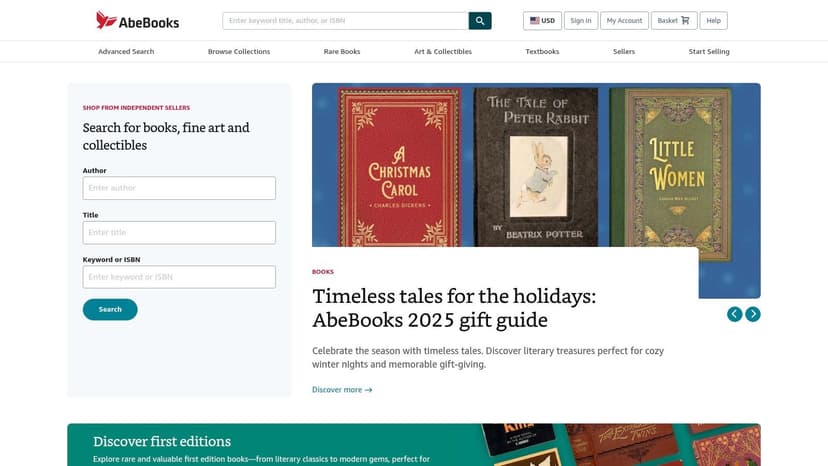
The platform's strength lies in its specialized inventory. You can often find first editions or specific university press printings of key books on color psychology, complete with detailed condition notes from professional sellers. This allows you to hunt for bargains or invest in a specific, high-quality copy for your professional library.
Key Considerations & Usage Tips
For designers, AbeBooks is the go-to source for tracking down seminal texts referenced in modern design theory that are otherwise difficult to obtain. The ability to search by ISBN ensures you are getting the exact edition you need for research or citation purposes. Carefully read the seller's description of the book's condition before purchasing.
Pro-Tip: Pay close attention to the seller's location and their stated shipping costs and times. Since you are buying from independent sellers across the globe, these factors can vary significantly from one listing to another.
| Pros | Cons |
|---|---|
| Best source for out-of-print and scholarly editions | Shipping speeds and costs vary widely by seller and location |
| Detailed condition notes from professional sellers | Return policies are dependent on the individual seller |
| Global network provides access to rare titles | Website interface can feel less modern than major retailers |
| Price comparison across multiple sellers can yield bargains | No centralized customer service for order issues |
Website: https://www.abebooks.com
5. ThriftBooks
For authors and designers on a budget, ThriftBooks is an exceptional resource for finding affordable used copies of popular books on color psychology. As one of the largest online used book retailers, its inventory includes a wide range of design, art, and marketing titles that might otherwise be prohibitively expensive. The platform is known for its straightforward pricing, quality grading system, and a low free shipping threshold, making it a go-to for building a professional library without a large investment.
This platform excels in value and accessibility. Its loyalty program, ReadingRewards, offers a free book after spending a certain amount, adding to the long-term savings. The combination of consistently low prices and reliable, eco-friendly shipping makes ThriftBooks a practical and sustainable choice for sourcing foundational texts.
Key Considerations & Usage Tips
The primary advantage for designers is the ability to acquire physical copies of key reference books for a fraction of their retail price. Having a tangible book can be invaluable for studying color plates and design examples. Since the inventory is based on used books, it changes constantly, so checking back frequently for a specific title can be a rewarding strategy.
Pro-Tip: Pay close attention to the "Condition" rating for each listing (e.g., "Good," "Very Good"). For design books where image quality is paramount, opting for a higher-grade copy is usually worth the small additional cost to ensure the pages and colors are well-preserved.
| Pros | Cons |
|---|---|
| Extremely budget-friendly prices on used books | Inventory changes quickly; specific titles can be scarce |
| Free U.S. shipping on orders over $15 | Specific academic editions or niche titles may be limited |
| ReadingRewards loyalty program offers free books | No digital or eBook formats are available |
| Clear book condition grading system | Not ideal for finding newly released titles |
Website: https://www.thriftbooks.com
6. Google Play Books
Google Play Books is an excellent digital-first option for authors and designers looking for immediate access to books on color psychology. As a cross-platform eBook and audiobook store, it allows you to start reading on your web browser and seamlessly continue on a tablet or smartphone, making it ideal for research on the go. The platform hosts a solid mix of contemporary bestsellers and classic academic texts.
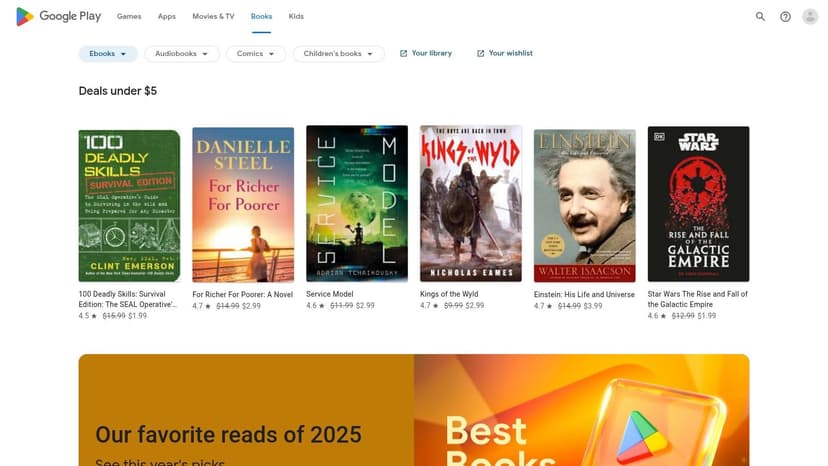
This platform stands out for its accessibility and generous sampling feature, which often provides more content to preview than other retailers. Purchases are one-time, with no subscription required, and the cloud sync ensures your highlights and notes are always available across all your devices, which is invaluable for collecting design ideas.
Key Considerations & Usage Tips
For designers, the value of Google Play Books lies in its instant-access model. You can find, sample, and purchase a resource in minutes without waiting for shipping. It's particularly strong for finding discounted indie and academic eBooks that might be pricier in print. Since you will be referencing digital sources for your work, it is important to understand how to cite an ebook correctly in any accompanying research or documentation.
Pro-Tip: Use the search function within a book to quickly find mentions of specific colors or emotional keywords. This lets you zero in on relevant passages for a particular cover design project without re-reading entire chapters.
| Pros | Cons |
|---|---|
| Works on Android, iOS, and web without special devices | Some academic publishers price digital editions higher |
| Competitive eBook pricing on many titles | DRM applies to many titles, limiting device flexibility |
| Generous "free sample" feature for previews | Selection can be less comprehensive than Amazon's |
| Instant access and cloud sync for notes and highlights | Lacks a marketplace for used or physical copies |
Website: https://play.google.com/store/books
7. Apple Books
For designers and authors deeply embedded in the Apple ecosystem, Apple Books offers a seamless and integrated way to find and consume books on color psychology. As the native digital bookstore for iOS and macOS, it provides a curated selection of eBooks and some audiobooks, prioritizing a clean, user-friendly reading experience. The platform is particularly strong for instant access to digital versions of popular and academic titles.
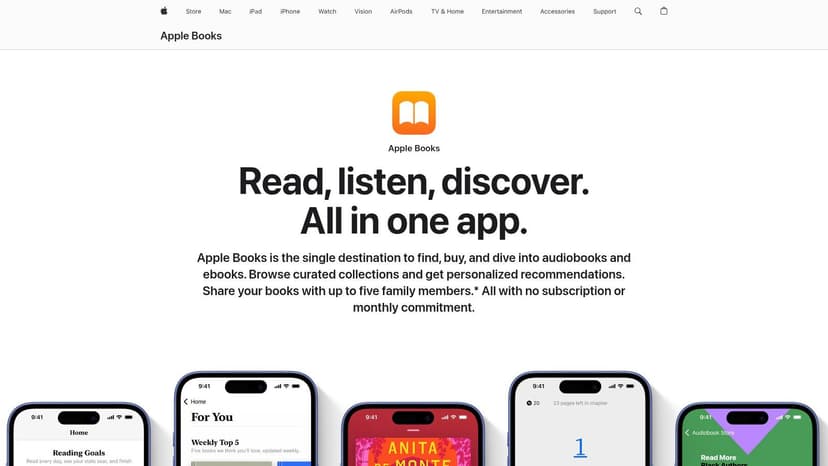
Its main advantage is its perfect integration with Apple devices. Purchases sync instantly across your iPhone, iPad, and Mac, making it easy to reference key color principles whether you are in the studio or on the go. The reading interface is polished and highly readable, which is a significant plus when studying detailed diagrams or color palettes.
Key Considerations & Usage Tips
Apple Books is best suited for those who prefer a purely digital library and value convenience over the vast selection of a platform like Amazon. While you won't find used physical copies, you will find many essential academic handbooks and contemporary guides on color psychology available for immediate download. The ability to highlight text and add notes that sync across devices is invaluable for study and research.
Pro-Tip: Always use the "Get Sample" feature before purchasing. The free previews are often generous, allowing you to review the first few chapters to ensure the book's content and visual examples meet your standards for book cover design research.
| Pros | Cons |
|---|---|
| Seamless reading experience within the Apple ecosystem | Limited to no options for physical books |
| Instantaneous downloads and clear, upfront pricing | Not ideal for users outside of the Apple ecosystem |
| High-quality digital rendering of text and images | Selection is smaller than Amazon's catalog |
| Excellent note-taking and highlighting features | Fewer user reviews to gauge book quality |
Website: https://books.apple.com
8. Kobo (Rakuten Kobo)
For authors and designers who prefer an ecosystem outside of Amazon's Kindle, Kobo offers a robust alternative for finding digital books on color psychology. As a major global eBook and audiobook retailer, it provides a comprehensive digital library, often with pricing that competes directly with other major platforms. Its key advantage is flexibility; purchases are not locked into a single device brand.
Kobo stands out with its Kobo Plus subscription service, which grants unlimited access to a large selection of eBooks for a monthly fee. This model can be highly cost-effective for voracious readers or designers needing to consult multiple reference texts without purchasing each one individually.
Key Considerations & Usage Tips
Kobo is an excellent choice for building a portable, digital-only design reference library. Books can be read on Kobo's dedicated eReaders or through free apps available for iOS, Android, and desktop, ensuring your resources are always accessible. This makes it easy to quickly reference color theory concepts whether you are at your desk or meeting with a client.
Pro-Tip: Before subscribing to Kobo Plus, search for the specific color psychology books you need to ensure they are included in the subscription catalog. While the selection is vast, not every title is available through the service, so checking first can save you from signing up unnecessarily.
| Pros | Cons |
|---|---|
| Flexible ecosystem with offline reading support | Not all titles are included in the Kobo Plus subscription |
| Often competitive pricing versus other eBook stores | Regional availability of titles and content can vary |
| Subscription model can be very cost-effective | eBook-only format may not suit those who prefer physical copies |
| Works on dedicated eReaders and free apps | The user interface can be less intuitive than competitors |
Website: https://www.kobo.com/us/en
9. Cambridge University Press (Handbook of Color Psychology)
For those seeking the most authoritative and academically rigorous resource, going directly to the publisher is the best option. Cambridge University Press offers the Handbook of Color Psychology, a peer-reviewed, comprehensive volume that is the definitive scholarly reference on the topic. Purchasing directly ensures you receive the latest edition in pristine condition, straight from the source.
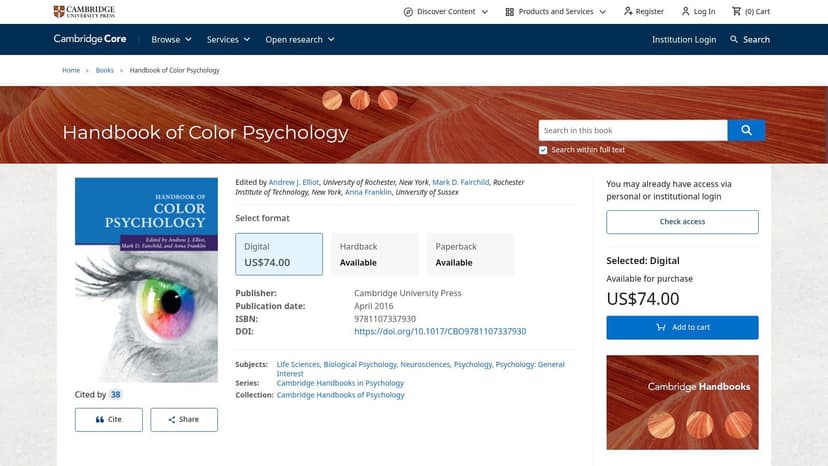
This platform is ideal for designers, researchers, and authors who need a foundational text built on empirical evidence rather than anecdotal advice. The site provides detailed metadata, including the full table of contents, contributor information, and an abstract, allowing you to confirm its suitability for your advanced design needs before buying. You can typically choose between a high-quality paperback and various digital access options.
Key Considerations & Usage Tips
The primary value for a designer is the handbook's in-depth exploration of color effects, meanings, and associations backed by scientific studies. This knowledge is invaluable for making informed choices that go beyond basic genre conventions. While its academic nature makes it a dense read, the insights gained can elevate your design strategy, especially when applied using modern book cover design tips.
Pro-Tip: Check your local university or public library's online portal before purchasing. Many institutions have subscriptions that grant free digital access to Cambridge Core titles like this handbook, saving you a significant expense.
| Pros | Cons |
|---|---|
| Guarantees publisher authenticity and quality | Academic pricing can be significantly higher than popular press |
| Provides the most up-to-date, peer-reviewed content | Publisher shipping times may be slower than mass retailers |
| Clear format options (print/digital) and pricing | Content is dense and intended for an academic audience |
| Detailed metadata helps verify content relevance | Focus is on research, not direct design application |
Website: https://www.cambridge.org/core/books/handbook-of-color-psychology/5A29A2BBA251510F1DCB9CBB746EE7D5
10. Routledge (Taylor & Francis)
For designers and authors seeking scholarly, research-backed texts, Routledge is a premier academic publisher. Their catalog dives deep into the cognitive and behavioral sciences, offering rigorous books on color psychology, perception, and consumer behavior. This platform is ideal for those who want to move beyond introductory concepts and understand the scientific underpinnings of how color influences human decision-making.
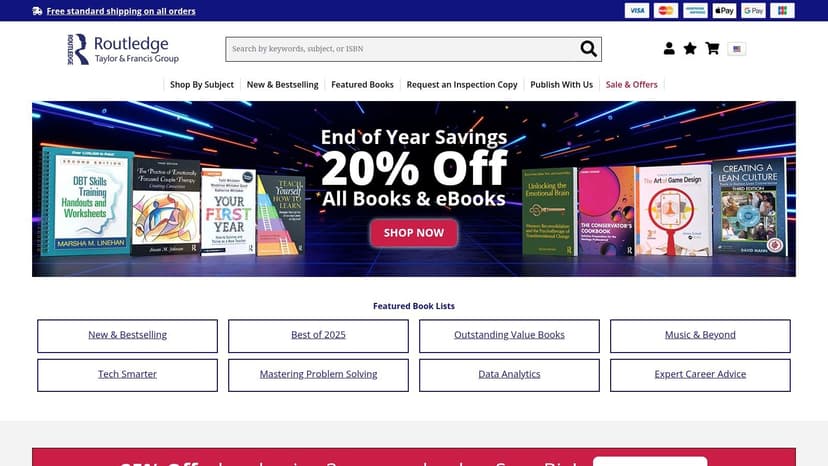
Routledge stands out for its academic authority and specialized content. You can find professional-level books that explore color within the specific contexts of marketing, branding, and visual communication, providing a solid theoretical foundation that complements practical design skills. The publisher frequently offers site-wide discounts and promotions on both print and eBook formats.
Key Considerations & Usage Tips
The primary value of Routledge lies in its authoritative, peer-reviewed content. This is where you find the source material that informs many popular design guides. For a book cover designer, understanding the psychological research behind color associations provides a strategic advantage that goes far beyond just aesthetics. Much like understanding the psychology behind fonts for book covers, this knowledge helps create more effective and resonant designs.
Pro-Tip: Check if your local or university library has institutional access to the Taylor & Francis platform. You may be able to read many of these high-value academic eBooks for free, which is a significant cost-saving measure given their typically higher price point.
| Pros | Cons |
|---|---|
| Authoritative, research-backed academic titles | Higher price point compared to general consumer books |
| Strong backlist in perception and consumer behavior | Content can be dense and highly academic, not for beginners |
| Direct publisher promotions can reduce costs | Many titles are adjacent, not strictly 'color psychology' |
| Offers both print and eBook versions | The website interface is less consumer-friendly than retail sites |
Website: https://www.routledge.com
11. SpringerLink
For authors and designers seeking a deep, scientific understanding of color, SpringerLink is an indispensable academic resource. It houses a vast catalog of scholarly books and journal articles on color perception, categorization, and the psychology of color. This platform is ideal for those who want to move beyond general advice and explore the foundational research that informs our modern understanding of color's impact.
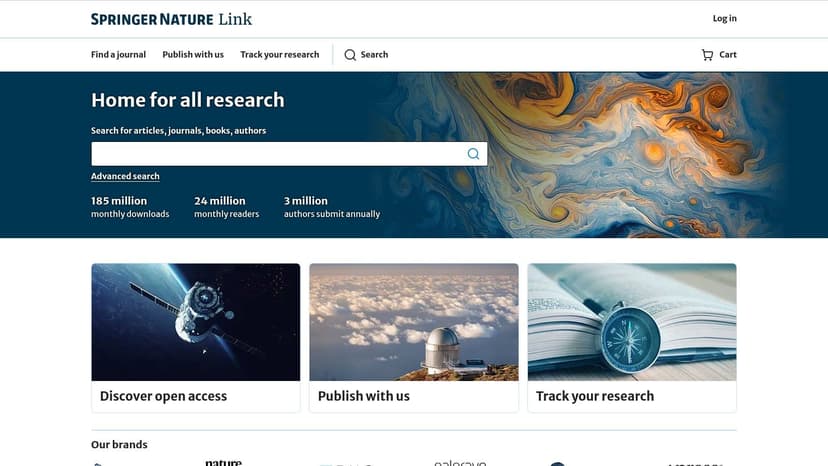
Unlike consumer-focused stores, SpringerLink provides direct access to cutting-edge and classic scholarly works. You can purchase eBooks for instant access or order print-on-demand hardcovers and paperbacks. The platform's strength lies in its authority and the academic rigor of its content, offering a more technical perspective on the subject.
Key Considerations & Usage Tips
SpringerLink is best suited for research-oriented work where scientific evidence is paramount. Many universities and institutions provide access, so check if you have credentials before making a personal purchase. The content is often dense and highly specialized, making it more appropriate for advanced readers or those needing to cite credible academic sources.
Pro-Tip: Use specific search terms like "color perception," "chromatic psychology," or "neuroaesthetics" to filter through the vast repository and find books on color psychology that are most relevant to design and human response.
| Pros | Cons |
|---|---|
| High-quality academic content from experts | Many titles are highly specialized and not practitioner-focused |
| Instant eBook access and print options | Pricing can be significantly higher than consumer books |
| Excellent for research and source validation | The platform's interface is academic, not retail-focused |
| Connects to foundational color science | Requires a more technical or scientific reading level |
Website: https://link.springer.com
12. Wiley
As a major academic and professional publisher, Wiley is a fantastic source for scholarly books that delve into the scientific underpinnings of color psychology. Its catalog is rich with textbooks and professional guides on design, marketing, and human perception, often containing chapters or sections dedicated to the role of color. For authors and designers seeking authoritative, research-backed content, Wiley provides access to high-quality academic material.
This platform excels in providing vetted, peer-reviewed information that goes beyond popular interpretations. While not a broad consumer marketplace, its focus on scholarly content ensures that the information is reliable and suitable for developing a deep, technical understanding of how color impacts emotion and decision-making.
Key Considerations & Usage Tips
Wiley is the place to go when you need to ground your design choices in credible research. Authors can find texts on consumer psychology or visual perception that offer a more nuanced perspective than general-interest books. The site offers both physical books and eBooks, with occasional sales and bundle offers providing good value for these premium resources.
Pro-Tip: Use specific keywords like "color perception," "visual communication," or "marketing psychology" in your search. This will help you uncover relevant chapters within broader academic texts, which often contain the most valuable, evidence-based insights for your book cover design inspiration.
| Pros | Cons |
|---|---|
| Authoritative, research-backed content | Higher price point typical for academic texts |
| Reputable publisher with high-quality printing | Fewer titles dedicated solely to color psychology |
| eBooks available for instant access | Requires more specific search terms to find relevant content |
| Focus on professional and academic material | Not a one-stop-shop for a broad range of books |
Website: https://www.wiley.com
Color Psychology Books: 12-Source Comparison
| Seller / Publisher | Core features ✨ | Quality ★ | Value & Pricing 💰 | Target audience 👥 | Standout 🏆 |
|---|---|---|---|---|---|
| Amazon | ✨ Massive catalog (print + Kindle), fast fulfillment | ★★★★ | 💰 Wide price range; frequent deals | 👥 Mainstream buyers & authors seeking reach | 🏆 Largest marketplace & distribution |
| Barnes & Noble | ✨ In‑store pickup, NOOK & audiobooks | ★★★★ | 💰 Midrange; sometimes higher than marketplaces | 👥 In‑store shoppers & textbook buyers | 🏆 National retail presence & pickup |
| Bookshop.org | ✨ Curated indie lists; portion supports bookstores | ★★★★ | 💰 Comparable pricing + indie support | 👥 Socially conscious buyers & indie supporters | 🏆 Supports independent bookstores |
| AbeBooks | ✨ Used, rare & out‑of‑print specialist | ★★★ | 💰 Variable — potential bargains | 👥 Collectors & researchers seeking editions | 🏆 Best for rare/archival finds |
| ThriftBooks | ✨ Large used inventory; free US shipping $15+ | ★★★ | 💰 Very low prices; loyalty rewards | 👥 Budget readers & bargain hunters | 🏆 Consistently low-cost used books |
| Google Play Books | ✨ Cloud sync, cross‑platform eBooks & samples | ★★★★ | 💰 Competitive eBook pricing; one‑time purchases | 👥 Android/web users & casual readers | 🏆 Device‑agnostic instant access |
| Apple Books | ✨ Native iOS/macOS store; seamless downloads | ★★★★ | 💰 Clear pricing; tied to Apple devices | 👥 Apple ecosystem users | 🏆 Smooth Apple integration & UX |
| Kobo (Rakuten) | ✨ Kobo apps/eReaders + Kobo Plus subscription | ★★★★ | 💰 Competitive eBook prices; subscription option | 👥 eReader users & subscription readers | 🏆 Flexible device support & Kobo Plus |
| Cambridge Univ. Press | ✨ Peer‑reviewed Handbook; academic metadata | ★★★★★ | 💰 Academic pricing; institutional options | 👥 Researchers, designers, psychologists | 🏆 Authoritative, peer‑reviewed reference |
| Routledge (Taylor & Francis) | ✨ Applied psychology & marketing series | ★★★★ | 💰 Publisher discounts & series bundles | 👥 Academics & practitioners in perception/marketing | 🏆 Strong backlist in applied topics |
| SpringerLink | ✨ Instant eBook purchase; institutional access | ★★★★★ | 💰 Transparent academic pricing | 👥 Research‑oriented readers & institutions | 🏆 Extensive scholarly catalog in perception |
| Wiley | ✨ Textbooks & professional titles; eBook options | ★★★★ | 💰 Variable pricing; occasional bundles | 👥 Professionals, instructors, students | 🏆 Reputable publisher with durable content |
Final Thoughts
Our journey through the landscape of books on color psychology has revealed a rich and diverse ecosystem of knowledge, accessible through a variety of platforms from mainstream retailers like Amazon to specialized academic publishers like Cambridge University Press. The core lesson is clear: color is not merely an aesthetic choice, it is a powerful communication tool, a silent language that speaks directly to a reader's emotions and expectations. For authors and cover designers, mastering this language is the key to creating covers that not only attract attention but also resonate deeply with the target audience.
This guide was designed to be more than a simple list; it's a strategic roadmap. We've explored how a foundational understanding, perhaps starting with a generalist text from Barnes & Noble, can build into a more nuanced application using insights from academic sources like the Handbook of Color Psychology. The goal is to move from simply knowing that "blue is calming" to understanding why a specific shade of cyan might evoke feelings of futuristic technology in a sci-fi novel, while a deep navy suggests historical gravitas for a non-fiction work.
Synthesizing Knowledge into Action
The true value of these resources lies in their application. As you begin to read and absorb these concepts, resist the temptation to treat them as rigid rules. Instead, think of them as a palette of possibilities. The most effective cover designs often play with, and sometimes subvert, genre conventions. Understanding the baseline psychological associations of color gives you the power to do this intentionally.
Consider these key takeaways as you move forward:
- Context is King: The meaning of a color is never absolute. A vibrant red can signal romance, danger, or power depending entirely on the surrounding imagery, typography, and genre context. Compare a shelf of romance cover color palettes to see how the same warm red reads as love rather than danger. The books we've discussed provide the framework for understanding this contextual nuance.
- Audience-Centric Approach: Your personal color preferences are secondary. The critical question is always: "How will my target reader interpret this color scheme?" A book from ThriftBooks on marketing psychology might provide as much value here as a dedicated art theory text.
- Iterative Design is Essential: Your first color choice may not be your last. Use the knowledge gained from these books to build several palette options. Test them, get feedback, and see how they feel alongside your book's title and author name.
Building Your Color Psychology Toolkit
Selecting the right book, and the right platform to source it from, depends entirely on your current needs and goals.
- For the Absolute Beginner: Start with a broad, accessible title found on Amazon or Google Play Books. Focus on understanding the fundamental emotional associations of primary and secondary colors before diving deeper.
- For the Data-Driven Designer: Seek out academic texts from publishers like Routledge or SpringerLink. These resources provide the empirical evidence and research studies that underpin popular color theories, allowing for a more precise and defensible design process.
- For the Budget-Conscious Author: Don't overlook second-hand marketplaces like AbeBooks and ThriftBooks. You can build a comprehensive physical library of essential design theory for a fraction of the cost.
Ultimately, the best books on color psychology are the ones that you not only read but actively integrate into your creative workflow. You can see how these principles are applied in sci-fi book cover examples to evoke a sense of the future. They should become dog-eared companions in your design process, referenced not just for inspiration but for strategic problem-solving. By arming yourself with this specialized knowledge, you transform the task of cover design from a guessing game into a deliberate, powerful act of reader communication. Your cover becomes your book’s first and most persuasive advocate.
Ready to Create Your Own Book Cover?
Turn your story into a visual masterpiece. Fill in the details below to start generating professional covers instantly.