Back to Blog

A Practical Guide to Social Media Marketing for Authors

Struggling with social media marketing for authors? This guide offers real strategies to build your audience, engage readers, and turn followers into fans.

Posted by

For many indie authors, social media feels like a chore—another task on a never-ending to-do list. But it's time to reframe that thinking. In today's publishing landscape, especially for those using services like Amazon KDP, your social media presence is your digital bookstore, your fan club headquarters, and your direct line to the people who matter most: your readers.

Building an author platform isn't just a "nice-to-have" anymore; it's a powerful asset for creating a sustainable career.

A man with glasses types on a laptop at a desk with books, a phone, and pens.

The old walls between authors and their audience have crumbled. You no longer have to wait for gatekeepers to grant you access. Instead, you can step right up and introduce your work to a global audience hungry for new stories and authentic voices.

Why Social Media is Essential for Indie Authors

The sheer scale of the opportunity here is staggering. Platforms like Instagram, with its billions of monthly active users, have become massive hubs for visual storytelling, making them perfect for grabbing a reader's attention with a stunning book cover.

For indie authors, this direct line is a game-changer. It means you can:

  • Build an Audience Before You Launch: Generate buzz and collect pre-orders by sharing your writing journey.
  • Get Instant Feedback: Post a character concept or a plot idea and see what resonates with your readers in real-time.
  • Create a Loyal Community: Turn casual readers into die-hard fans who will champion your work and eagerly await every new release.
  • Drive Consistent Sales: Keep your backlist alive and promote new books directly to a following you've built yourself.

The goal isn't just to sell a single book; it's to build a career that lasts. Social media gives you the foundation to create a community that grows with you, book after book.

The Power of Visual Storytelling

For authors, a picture really is worth a thousand words—or at least a thousand clicks. This is why visually-driven platforms like Instagram, TikTok, and Pinterest are so incredibly effective. In this arena, your book cover becomes your single most important marketing tool.

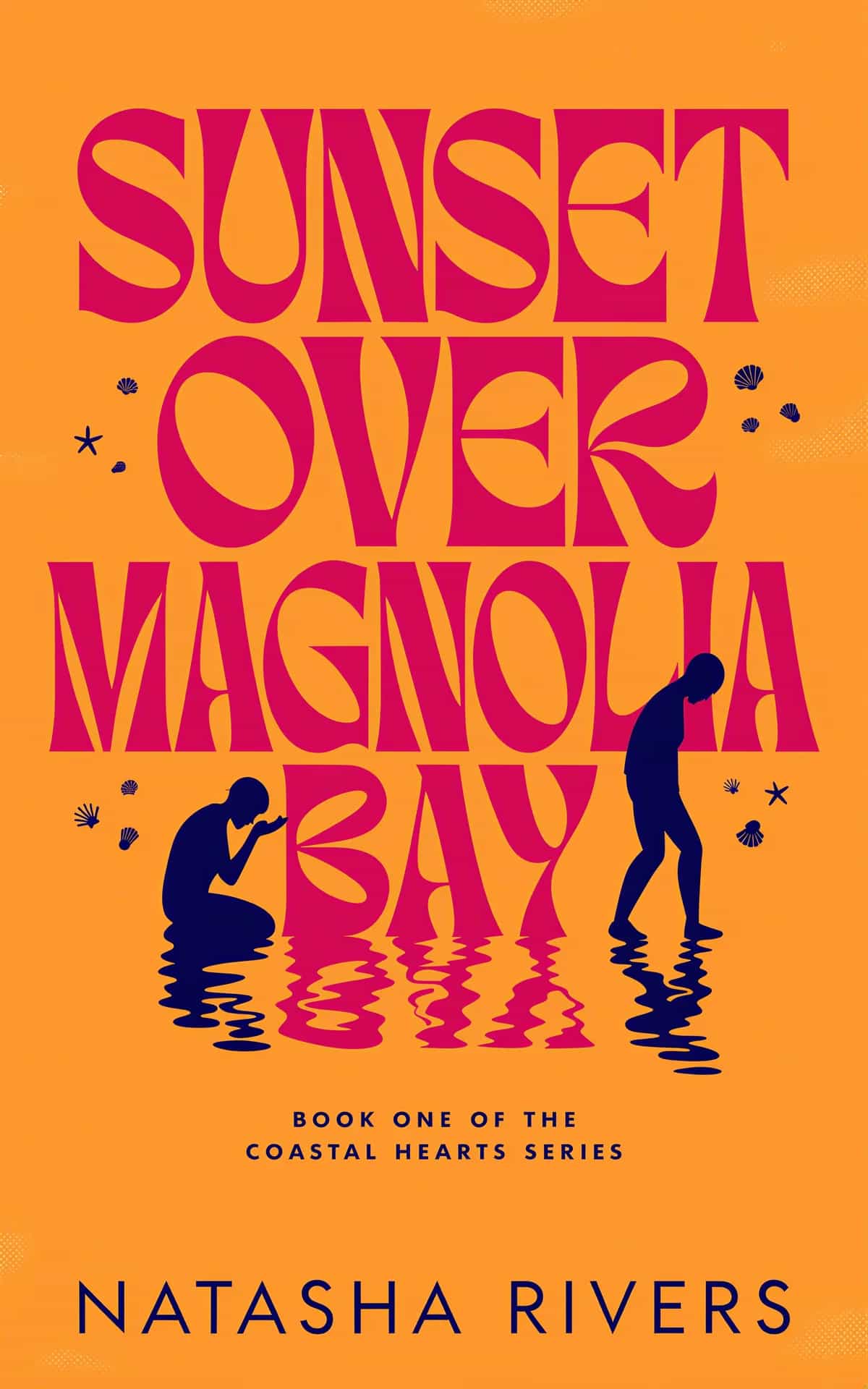
Imagine you're about to launch a new thriller. Instead of just guessing which cover will sell best, you could use an AI tool to generate a few different concepts to test. Post them online and let your followers vote on their favorite. Not only does this create fantastic engagement, but it also gives you priceless market data.

This visual-first mindset opens up a ton of content ideas that go way beyond just posting "buy my book." You can share character mood boards, world-building art, or teaser graphics for your upcoming release. Knowing how to promote your books with compelling visuals is a crucial skill. Ultimately, social media lets you tell the story behind the story, creating a deep connection that a simple ad could never replicate.

Choosing the Right Platforms for Your Author Brand

Trying to be everywhere at once is the fastest route to social media burnout, not book sales. The pressure to post on every single platform is real, but it’s a rookie mistake. The smart play is to focus your energy where it actually counts—on the one or two core platforms where your readers already spend their time.

Spreading yourself too thin means you never get good at any of them. Instead, get strategic. Think about your genre and your ideal reader. Where do they gather online? What kind of content do they engage with?

For example, a Young Adult fantasy author will find a highly engaged audience on visual platforms like TikTok and Instagram. But a thriller writer might get more traction building a tight-knit community in a Facebook Group while using Instagram for high-impact visual teasers and cover reveals.

How to Choose Your Core Platforms

Making the right choice starts with understanding that not all platforms are created equal. Pinterest, for instance, is more of a visual search engine than a social network. Content there has a very long lifespan, with pins driving traffic to your site for months or even years. This makes it ideal for authors with evergreen blog content or for building a long-term presence without chasing daily trends.

When picking your platform, weigh these factors:

  • Your Genre's Hangout: Where do fans of your genre live online? A quick search for hashtags like #CozyMystery, #DarkAcademia, or #ScifiBooks will instantly show you which platforms have the most active communities.
  • Your Personal Strengths: Are you a natural on camera? TikTok and Instagram Reels are your new best friends. If you’re a better writer who loves deep-dive discussions, a Facebook Group or a dedicated blog might feel more comfortable.
  • Your Book's Vibe: If your world-building is rich and visual, Pinterest and Instagram are perfect for your maps, character art, and aesthetic mood boards. If your books spark heated debate, platforms like X (formerly Twitter) or Facebook are built for that kind of conversation.

Defining Your Author Brand

Once you’ve picked your platform, it’s time to define your author brand. This isn’t about creating a fake, polished persona. It's about identifying the core of who you are and what you write, and then showing up consistently. An authentic brand builds trust and helps readers connect with you, not just your books.

Your author brand is the simple answer to the question, "What is this author all about?" It's a mix of your personality, your writing voice, and the big ideas at the heart of your stories. For a deep dive, our guide on creating a brand strategy template for authors is a fantastic resource to get you started.

To start defining your brand, ask yourself:

  • What are my core values? (e.g., curiosity, humor, social justice, pure escapism.)
  • What are the recurring themes in my books? (e.g., second chances, finding a home, fighting injustice.)
  • What’s my unique author personality? (Are you witty and sarcastic? Thoughtful and academic? Warm and encouraging?)
  • What do I want to be known for besides my books? (e.g., an expert on historical research, a champion for indie authors, or a fan of cozy cafes.)

A strong author brand is the filter for every piece of content you create. It ensures that everything you post—from a messy desk photo to a big book announcement—feels cohesive and genuinely you.

Setting Up a Professional and Consistent Profile

Think of your social media profile as your digital storefront. For many potential readers, it’s the very first impression they’ll get. Consistency across your chosen platforms is non-negotiable for building brand recognition and making yourself easy to find.

Use this checklist to ensure your profiles are polished and on-brand:

  1. Consistent Handle: Secure the same username across all platforms if you can (e.g., @AuthorName). If it's taken, get as close as possible.
  2. Professional Headshot: Use a clear, high-quality photo of your face. People connect with people, not logos.
  3. Compelling Bio: Your bio needs to state who you are and what you write, all while reflecting your brand's personality. Always include a call-to-action and a link to your website or newsletter.
  4. Branded Visuals: Use a consistent color palette and font style in your graphics and header images. You can use a visual creation tool—like those for creating or testing different fantasy book covers—to design branded social media banners and post templates. That visual consistency makes your feed instantly recognizable.

Crafting Your Content Strategy and Calendar

The dreaded 5 PM panic: what on earth am I going to post today? If you're an author managing social media, you know this feeling. This is where we stop throwing spaghetti at the wall and start building a real, repeatable playbook.

A solid strategy isn't about finding more things to post; it's about having a plan that eliminates the daily stress of content creation. The secret? Content pillars. These are the 3-5 core themes you’ll return to again and again, creating a powerful mix of promotion and genuine connection.

Defining Your Core Content Pillars

Think of your content pillars as the main channels of your personal author network. They give your social media a reliable structure and make it infinitely easier to come up with post ideas. Your pillars should be a blend of what defines your author brand and what your ideal readers are actually interested in.

Here are a few pillar ideas that work for most authors:

  • Book Promos & Reveals: Your direct sales pillar. Think cover reveals, pre-order announcements, countdowns, and links to your book pages.
  • Behind the Scenes: Give readers a peek behind the curtain. Share your messy desk, talk about a research rabbit hole, or show a snippet of an early draft.
  • Author Life & Personality: This is what makes you human. Post about your pets, your favorite coffee shop, a book you just finished, or a hobby unrelated to writing.
  • Community & Engagement: Turn your followers into a community. Ask them questions, run polls on character names, share fan art (with credit!), or host a quick Q&A.
  • Genre & Niche Talk: Geek out about your genre! Talk about tropes you love, recommend other books in your niche, or discuss news from the literary world.

A simple but powerful framework is the 80/20 rule. Aim for 80% of your content to be valuable, fun, or engaging (pillars 2-5) and only 20% to be directly promotional (pillar 1). This builds trust, so when you do ask for the sale, your audience is ready to listen.

This whole process starts with a clear brand, which is the foundation for everything you’ll post.

A three-step author branding process flow for Niche, Define, and Profile stages.

Nailing down your niche and brand identity is what makes your content pillars feel cohesive and authentic.

How to Build a Content Calendar

Once you have your pillars, you need to build a social media content calendar. This doesn’t have to be a complex spreadsheet. It can be a simple note, a Trello board, or a wall planner. The goal is just one thing: consistency.

A steady posting schedule dramatically outperforms posting in random bursts. This is where AI tools can be helpful for many marketers, allowing them to create genre-specific visuals more efficiently and maintain that consistency.

Here’s a simple one-week calendar for a fantasy author:

  • Monday (Pillar: Author Life): Post a photo of your desk with your favorite mug. Caption: "Powered by coffee and magic. Deep into plotting Book 2 today!"
  • Tuesday (Pillar: Book Promo): Share a graphic revealing a map from your world. Caption: "Welcome to the world of Aerthos. Where would you go first?"
  • Wednesday (Pillar: Community): Run a poll in your stories. "Help me decide! Should my new sidekick be a snarky rogue or a loyal knight?" Knowing the best time to post Reels can make posts like this even more effective.
  • Thursday (Pillar: Behind the Scenes): A quick video of you talking about the weirdest fact you learned while researching for your book.
  • Friday (Pillar: Book Promo): A "First in Series Free" graphic for your first book, with a direct link.

This simple schedule takes the guesswork out of social media. It ensures you’re hitting all the right notes to build your audience without burning out.

How to Grow Your Audience and Foster a Community

You have a content plan and are posting strategic visuals. That's a fantastic start, but it’s only half the battle. Real, lasting success comes from turning passive followers into a genuine, loyal community. The magic happens in the conversations, the shared excitement for a new release, and the real connections you build.

Diverse group of people reading books and using phones, fostering community connection.

This requires a mental shift—stop broadcasting and start engaging. It’s not just about what you post, but how you participate in the wider world of your genre. Once your author brand is established, it's time to actively grow your social media following and connect with the people who will love your books.

Master the Art of the Hashtag

Many authors get this wrong. Hashtags aren't just an afterthought; they're your primary tool for being discovered by new readers. The common mistake is using tags that only attract other writers, like #amwriting or #writerslife. These are fine for networking with peers, but they do little to put your book in front of a hungry audience.

You need to think like a reader. What terms would they search for to find their next favorite book? Your job is to use hashtags that instantly communicate your book's genre, tropes, and overall vibe.

Common Hashtag Mistakes to Avoid:

  • Using only writer-centric tags: #writerslife, #amwriting, #authorsofinstagram. These attract peers, not buyers.
  • Using overly generic tags: #book or #reading. Your content will get lost in millions of posts.
  • Not researching tags: A tag might seem relevant but could be used for a completely different purpose.

Effective Hashtag Strategies:

  • Genre-Specific: Be precise. Use tags like #FantasyBooks, #ThrillerReads, or #ContemporaryRomance.
  • Trope-Focused: This is where the magic is. Readers hunt for tropes. Think #EnemiesToLovers, #FoundFamily, or #OneBedTrope.
  • Niche & Aesthetic: Capture the specific mood of your book. Tags like #DarkAcademia, #CozyFantasy, or #CyberpunkNoir attract die-hard fans.
  • Community Tags: Tap into massive, existing reader communities with tags like #Bookstagram, #BookTok, or #ReadersOfInstagram.

A good approach is to mix a few popular, high-volume tags with several smaller, hyper-targeted niche tags. This strategy gives you a shot at broad visibility while ensuring you connect with your ideal readers.

Join the Conversation and Add Value

Your social media feed should never be a one-way street. The most effective way to build a community is to become a valued member of one. That means getting out there and engaging with others in your genre.

Carve out just 15-20 minutes a day for this. This isn't about spamming your book link—it's about building relationships.

  • Drop thoughtful comments on posts by book reviewers and bloggers in your niche.
  • Engage with other authors in your genre. Support their work and celebrate their wins.
  • Respond to every single comment on your own posts. A simple "thank you!" goes a long way.

This consistent, genuine interaction proves you're an active part of the literary world, not just a salesperson.

Social media algorithms reward engagement. When you actively interact with others, platforms are more likely to show your content to new people, creating a natural cycle of growth.

Connect with Bookstagrammers and BookTokers

Micro-influencers—often called "Bookstagrammers" on Instagram and "BookTokers" on TikTok—can be powerful marketing allies. These are passionate readers who have built dedicated followings by sharing their love of books. A single, authentic recommendation from them can drive more sales than a costly ad campaign.

Focus on micro-influencers, typically those with 1,000 to 50,000 followers. They often have higher engagement rates and a more dedicated community than mega-influencers.

When you reach out, personalization is everything. Do not send a generic, copy-pasted message.

Simple Outreach Best Practices:

  1. Follow them first: Engage with their content for a week or two before reaching out.
  2. Reference their content: Mention a specific review or post you enjoyed.
  3. Explain the fit: Briefly state why your book is a good match for their audience (genre, tropes, themes).
  4. Make it easy: Offer to send a digital or physical copy, and don't make demands.

This approach shows you’ve done your homework and respect their work. Even if they don’t feature your book, you're building a valuable connection within your genre's ecosystem. Imagine a Bookstagrammer being captivated by one of your stunning romance book covers; that visual hook is often the first step to getting your story in front of their entire audience.

An Author's Guide to Simple Social Media Ads

The words "paid ads" can be intimidating, but you don't need a massive budget to see a real return. Think of ads as pouring gasoline on the fire you’re already building with your organic content, especially during a launch or a price promotion. A small, well-aimed campaign can put your book in front of the exact readers you’ve been trying to find.

For authors, the simplest and most effective starting point is Facebook and Instagram. Their shared ads platform is incredibly powerful, letting you zero in on your ideal reader with precision. The goal isn't to shout at everyone; it's to whisper to the right people.

What’s the Goal of Your Ad?

Before you spend a dime, you must know exactly what you want your ad to do. An ad without a clear objective is just expensive digital noise. For authors, the best goals are direct and easy to track.

Your main options are:

  • Traffic: This is your bread and butter. The goal is to get people to click a link and go to your book's Amazon page, another retailer, or a free download on your website.
  • Engagement: You want people to like, comment, and share your post. This is perfect for building buzz around a cover reveal or a big giveaway before you ask for the sale. It creates social proof.
  • Awareness: You just want to get your book cover and name in front of as many new, relevant eyeballs as possible. This is a great strategy for building name recognition when you're a new author.

For your first few campaigns, stick with Traffic. It's the most direct way to see if your ad is selling books.

How to Target Your Ideal Readers

This is the single most important part of running a successful ad. You could have an amazing book, but if you show it to people who only read 18th-century gardening manuals, you're going to fail.

The magic of Facebook and Instagram ads is targeting by interest. Your job is to tell the algorithm what your ideal reader loves. The easiest way to start? Target readers who are already fans of authors in your subgenre.

For example, if you write gritty crime thrillers, you could target users interested in:

  • Lee Child
  • Michael Connelly
  • Tana French

If you write cozy fantasy with a warm-hearted vibe, you might target fans of:

  • Travis Baldree
  • T.J. Klune
  • The book Legends & Lattes

Pro-Tip: Don't just target the mega-bestsellers. Sometimes, the best results come from targeting mid-list authors with a smaller, but fiercely dedicated, fanbase. Who are the "if you like this, you'll love that" authors in your niche? Target them.

Your Ad Visual Is Everything

In a fast-scrolling feed, your ad's image is your only shot at stopping the scroll. A boring or generic graphic is invisible. Your ad visual has to scream your genre and hook the reader in a split second.

Your book cover is your secret weapon here—it was literally designed for this job. Using an AI tool to create ad visuals or test cover variations can also be an advantage, allowing you to quickly generate concepts without waiting for a designer.

Here’s a practical tip: run a small A/B test. Set a budget of $5/day for a couple of days. Create two identical ads—same text, same targeting—but with two different images. Maybe one of your thriller book cover designs has a character on it, and the other is an object-based design.

The ad that gets more clicks for less money is your proven winner. Now you’re not guessing; you’re using real data to make your ad spend work as hard as possible.

How to Measure Your Social Media Success

Are your social media efforts actually working? It's easy to get obsessed with "vanity metrics" like follower counts and likes, but those numbers rarely paint the full picture.

To know if you're making an impact, you have to look deeper—at the metrics that signal a healthy, growing community and, most importantly, drive book sales. This is the difference between just being busy on social media and actually building a sustainable author career.

Beyond Likes: The Metrics That Actually Matter

Likes are a passive pat on the back. What you really need to track are the numbers that show your audience is taking action. You can find these metrics inside the native analytics or insights tabs on every major platform, usually after switching to a free business or creator account.

Here’s what you should be focused on:

  • Engagement Rate: This is the king of all metrics. It’s the percentage of your followers who actively interact with your content (comments, shares, saves). A high engagement rate is more valuable than a massive but silent audience.
  • Link Clicks: This is your direct line to book sales. It tells you exactly how many people are clicking the links in your bio, stories, or ads to visit your Amazon page or website. It's the clearest signal of buying intent.
  • Shares & Saves: A share is a powerful endorsement. When a follower shares your post, they're vouching for you. A save means your content was so valuable that they want to revisit it later. Both are gold-star indicators of high-quality content.

Don’t just glance at the numbers; look for the story they're telling. If a post about your writing process gets ten times more shares than a direct "buy my book" post, that’s a massive clue. Your audience is telling you exactly what they value.

How to Read the Data and Sharpen Your Strategy

Tracking metrics isn’t about giving yourself more homework; it's about working smarter. Think of your analytics dashboard as a roadmap showing you what to do more of and what to ditch. A quick weekly or bi-weekly check-in can help you answer the critical questions that will refine your social media game.

Key Questions to Ask Your Data:

  • Which content pillar is my winner? Dig into your top-performing posts. Are they behind-the-scenes videos, character art reveals, or discussions about genre tropes? Double down on what works.
  • When is my audience actually online? Every platform shows you the peak days and hours your followers are most active. Schedule your big posts—like a cover reveal for a new thriller book cover—for these prime-time slots.
  • Which visuals grab the most attention? Did that post with a vibrant AI-generated cover get more clicks than a simple text graphic? Use that insight to guide your visual strategy.
  • What’s actually driving new followers? Look for any spikes in your follower count and cross-reference them with what you posted on those days. Was it a Reel that took off? A giveaway? Repeat what works.

Answering these questions turns social media marketing from a frustrating guessing game into a data-driven strategy. It’s how you ensure every minute you invest helps you connect with more readers and sell more books.

Common Questions About Social Media for Authors

We get these questions all the time. Let’s clear up a couple of the most common ones authors have when they’re getting started.

How Often Should I Be Posting?

The key isn't posting constantly; it's about being consistent.

It’s far better to post 3-5 high-quality, engaging pieces of content every week than it is to post three times a day for a week and then vanish for a month. That kind of inconsistency kills your momentum. A content calendar is your best friend here—it helps you plan ahead and maintain a steady, manageable presence without burning out.

Can I Actually Sell Books Using Social Media?

Absolutely, but not by shouting "buy my book!" in every post. Think of social media as the place you build your community, not just a storefront.

The best approach is to earn your followers' trust first. Share your journey, offer value, and build genuine connections. Then, when you do have something to promote, your audience will be ready to listen.

A good rule of thumb is the 80/20 split: 80% of your content should be focused on community-building, and only 20% on direct promotion.

Use the "link in bio" feature on platforms like Instagram and TikTok as your main call to action. When you do share a promotional post, make sure it’s visually compelling—a striking book cover can stop the scroll and do half the selling for you.

Ready to Create Your Own Book Cover?

Turn your story into a visual masterpiece. Fill in the details below to start generating professional covers instantly.

0/1000

Genre