Brand Strategy Template for Authors: Build Your Unique Identity
Leverage the brand strategy template to shape your author voice, target audience, and visuals to engage readers and boost book sales.
Posted by
 Pablo Yáñez
Related reading
Book Marketing Assets You Need for a Strong Launch
Plan the book marketing assets for your launch: mockups, ads, A+ images, captions, listing copy, email, video, audiobook art, and a usable calendar.
How to Create Consistent Book Series Covers
Create consistent book series covers with a repeatable visual system. Keep typography, colors, style, and recurring characters recognizable across every title.
How to Repurpose One Book Cover for Print, Audio, and Ads
Turn one approved front cover into a print wrap, audiobook square, text-free artwork, mockups, ads, and social assets without rebuilding the design.
Ready to design your cover?
Use our AI book cover generator to create tailored book cover concepts in minutes.

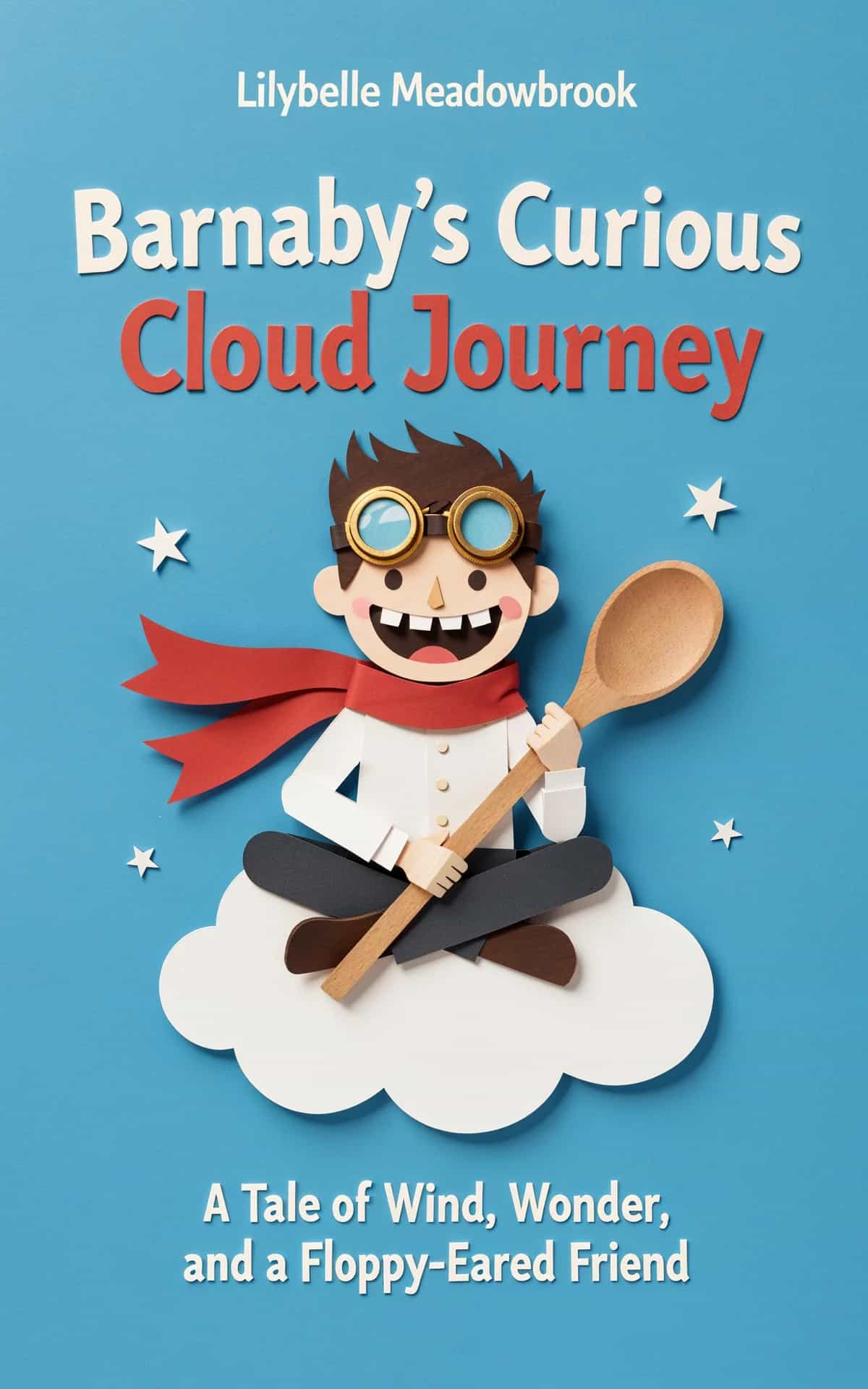
A brand strategy template is your secret weapon for building an author identity that sticks. For an indie author, it's a roadmap—a single document outlining your core message, ideal reader, unique voice, and visual style. It's the compass that keeps every decision, from your book cover to your social media posts, perfectly on track and aligned with your goals.
If part of that brand work includes choosing the right public name, start with the Pen Name Generator or the more focused Pseudonym Generator.
Why a Brand Strategy Is Your Most Powerful Marketing Tool

Standing out as an indie author can feel like shouting into a hurricane. A solid brand strategy turns that shout into a clear, compelling conversation. It’s the consistent promise you make to your readers, creating an experience that feels authentic and instantly recognizable.
This isn't about a fancy logo. It's about building an entire universe around your stories that readers can’t wait to be a part of. This foundation is what builds real reader loyalty. When someone knows exactly what to expect from your books—whether it’s breakneck pacing, heartwarming romance, or mind-bending sci-fi—they're far more likely to click "buy" on your next release without a second thought.
The Pitfall of Inconsistency
Without a clear strategy, your marketing becomes a scattered mess. One day you’re posting a serious, behind-the-scenes look at your writing process; the next, you’re sharing a meme that feels completely out of left field. That kind of whiplash confuses potential readers and dilutes your message.
This has a tangible impact. Companies that nail brand consistency see significantly more revenue growth because their messaging and visual identity are always aligned. A structured strategy helps you avoid the common pitfall where 15% of companies still don't have brand guidelines, leading to chaotic visuals that turn away buyers on platforms like Amazon.
Building a Cohesive Author Platform
A brand strategy template takes the guesswork out of your marketing. To give you a bird's-eye view, here are the core pieces you'll be defining.
Core Components of Your Author Brand Strategy Template
| Component | What It Defines | Why It Matters for Authors |
|---|---|---|
| Mission | The why behind your writing and what makes you unique. | Gives your work purpose and helps you connect with readers on a deeper level. |
| Audience | The who you're writing for—their hopes, fears, and tastes. | Makes it easier to find and speak directly to the people who will love your books. |
| Voice | The how of your communication style across all platforms. | Ensures you sound like you everywhere, from your newsletter to your author bio. |
| Visuals | Your colors, fonts, and imagery. | Guides the design of everything, most importantly, your book covers and website. |
Each of these elements feeds into the others, creating a brand that’s much stronger than the sum of its parts.
A strong brand isn’t just about what you broadcast; it’s about the story your readers tell themselves about your work. It becomes part of their identity as a fan.
If you’re building your platform from the ground up, you might find professional brand strategy services helpful for getting an outside perspective.
Ultimately, a solid plan transforms your name from just another author on a list into a brand that readers actively seek out and trust.
Defining Your Author Mission and Promise
Before you can think about book covers or social media posts, your brand needs a solid foundation. This isn't a stiff, corporate mission statement—it's your Author Promise. Think of it as the emotional contract you make with your readers every time they open one of your books.
This promise gets to the heart of why you write and what experience you're dedicated to delivering. It goes beyond simple genre labels. A thriller author’s promise isn’t just “I write thrillers.” It’s something closer to: “I promise relentless suspense that will keep you guessing until the absolute final page.” That’s a feeling, a commitment.
From Vague Purpose to a Concrete Promise
Your Author Promise should be the North Star for your entire brand. It ensures every story you tell and every marketing email you send feels consistent and authentic. When a reader finishes your book, the feeling they’re left with should be a direct echo of that promise.
Get this right, and you build incredible trust. Readers learn that your name on a cover guarantees a certain kind of journey, which makes hitting "buy now" on your next release a no-brainer. This is how you turn a casual reader into a lifelong fan.
The most powerful brands don’t force a story on people. They connect with the stories people are already telling themselves. Your Author Promise needs to tap into a desire your reader already has.
How to Craft Your Unique Author Promise
To pin down your promise, you have to look inward. You don't invent a brand; you uncover it. The best way to start is by asking yourself some pointed questions. Be brutally honest and specific—the more detail, the stronger your promise will be.
Grab your brand strategy template and use these prompts to fill out the "mission" section:
- What is the single core emotion I want readers to feel? (Is it hope? Breathless excitement? Deep comfort? An intellectual challenge?)
- What problem am I solving for them? (Maybe it’s a need for pure escapism, a craving for a complex puzzle, or a desire to believe in love again.)
- If my books vanished, what would my biggest fans miss most? (Your specific sense of humor? The intricate worlds you build? Your perfectly flawed characters?)
Answering these questions helps you distill your unique value down to its essence. For example, an author with a portfolio of fantasy book covers might realize their promise isn't just about "epic worlds." It's about "transporting you to magical realms where ordinary people discover extraordinary courage."
Once you have that level of clarity, every other branding decision—especially cover design—becomes infinitely easier and more effective. You can also use this specific promise when creating with an AI tool to kickstart visual concepts that are perfectly aligned from the get-go.
Pinpointing Your Ideal Reader with a Persona

Writing for "everyone" is a trap. Authors often cast a wide net, hoping to catch as many readers as possible. But when you try to please the masses, your message gets so diluted it doesn't connect with anyone.
This is why building a detailed reader persona is one of the most powerful steps in your author brand strategy. It’s a semi-fictional sketch of the one person you’re truly writing for. This isn’t about shutting people out; it’s about focusing your creative and marketing energy on the person most likely to become a lifelong fan.
Beyond Basic Demographics
Forget just jotting down age and gender. An effective persona dives much deeper into psychographics—the why behind what your reader does. What keeps them up at night? What are their secret hopes, their daily frustrations? When you understand this, you can write stories and marketing copy that connects on a deeper level.
To get started, try to answer a few core questions about this ideal reader:
- Reading Habits: How do they get their books? Are they a Kindle Unlimited fiend, a loyal patron of their local indie bookstore, or an Audible subscriber? Do they devour a series in a weekend or savor one book for a month?
- Motivations for Reading: Is reading pure escapism after a draining day? Or are they looking for a deep emotional connection or an intellectual puzzle to solve?
- Media Consumption: What else do they love? Think about other books, movies, or TV shows. Which authors do they follow? This gives you a treasure trove of clues about their tastes and expectations.
The answers you come up with will shape everything, from your book's pacing and plot twists to the specific words you use in an Amazon ad. For a deeper dive, there are some great resources on how to create buyer personas that get results.
Bringing Your Persona to Life
Let's make this practical. Imagine creating a persona for a hard sci-fi reader.
Persona: "Alex the Analyst"
- Who is Alex? A 35-year-old software developer who lives for logic and scientific plausibility.
- Why does Alex read? To explore complex, mind-bending concepts about technology and what it means to be human. For them, escapism isn't magic; it's imagining a future that could actually happen.
- What does Alex dislike? Stories with flimsy science, glaring plot holes, or characters who make illogical choices.
- Where is Alex? You'll find them on Goodreads meticulously tracking their reading, listening to tech podcasts, and browsing subreddits like r/printSF.
A brand succeeds when it aligns with the story a person is already telling themselves. For "Alex," reading hard sci-fi affirms their identity as an intelligent, forward-thinking individual.
With a clear picture of Alex, an author knows their book cover needs to signal "intellectual depth" and "scientific accuracy." This means sleek typography and imagery rooted in realistic tech—a world away from the dragons and swords of epic fantasy book covers.
This level of detail is the secret weapon for authors who want to promote their books without shouting into the void. It ensures every single decision, from cover to copy, is made for your most important reader.
Nail Your Author Voice and Tone
Your author voice is your brand's personality. It's the consistent, recognizable human touch behind every word you write. It’s what makes a reader feel like they know you, whether they find you on your website, in a newsletter, or on social media.
Your tone, on the other hand, is the mood. Think of your voice as your core self and your tone as the outfit you choose for a specific event—a formal gala requires a different look than a casual coffee meetup.
Getting this down in your brand strategy template isn't just a nice-to-have; it's essential for building trust and becoming instantly recognizable in a sea of other authors.
This isn't about inventing a fake persona. The most magnetic author voices are just amplified, focused versions of the real person. Are you naturally witty? Deeply analytical? Fiercely motivational? A little bit dark and gritty? Figure that out first. That's the bedrock of a voice that feels real, because it is real.
Voice Is Who You Are; Tone Is How You Say It
Your voice is the foundation. Let's say your core voice is "witty and insightful." That’s your constant. Now, let’s see how that voice adapts its tone for different situations:
- Website Bio: Here, your tone might be professional yet approachable. You’ll use your wit in a polished way that also demonstrates expertise.
- Social Media: The tone can be more casual and interactive. Your witty insights shine in short, punchy posts and quick replies to comments.
- Newsletter: This is for your inner circle. The tone becomes more intimate and helpful. It’s where your wit and insight create a direct, friendly conversation with your most dedicated readers.
Mapping these tones out in your brand strategy prevents your messaging from feeling disjointed. It gives you—and anyone who might help with your marketing—a clear playbook.
A powerful brand doesn't force a story onto people. It finds a way to resonate with the stories people are already telling themselves. Your voice and tone are the tools you use to create that connection.
Why a Consistent Voice Actually Matters
This isn't just marketing theory. Brand consistency is a major factor in building recognition and trust. For authors trying to stand out on crowded platforms like Amazon, that's a massive advantage.
On the flip side, a lack of consistency creates a jarring experience. In fact, 38% of customers will walk away from a brand simply because of poor personalization and disjointed messaging. You can read more about building a solid brand marketing strategy at powerful-marketers.com.
This all ties directly back to your book covers.
If your voice is gritty and hard-boiled, your cover needs to reflect that. Think dark, high-contrast imagery you'd see on the best thriller book covers. Slapping a soft, pastel-colored cover on that book would confuse and alienate your target readers before they even read the blurb.
You can also use your brand voice to guide the creation process if you're using an AI tool for cover design. By providing a prompt that describes your gritty, hard-boiled voice, you ensure the visuals and the words are telling the same story from the very beginning.
Designing Visuals That Signal Your Genre
The abstract parts of your author brand—your mission, voice, and audience—are now ready to take physical form. This is where your brand strategy template becomes a practical tool for making the tangible design choices that stop a reader mid-scroll on Amazon.
A book cover isn't just decoration. It's a lightning-fast signal communicating genre, tone, and promise in less than a second. Translating your big ideas into concrete visuals is arguably the most critical step in building a platform that readers recognize. Every decision, from color to font, must be a direct reflection of the branding work you’ve already done.
Translating Brand Voice into Visual Cues
Think of your book cover as your brand’s silent spokesperson. If your author voice is witty and modern, your visuals should feel clean, sharp, and contemporary. But if your voice is dark and academic, you’ll want to lean into classic serif fonts and a more somber, atmospheric color scheme.
This is why you have a brand strategy template: to prevent expensive design mistakes. Instead of telling a designer (or an AI tool) "I want something cool," you can provide specific, actionable guidance rooted in your brand’s core identity.
- For the "Witty & Modern" Author: You might specify a visual style that uses sans-serif typography, bold color blocking, and clever, minimalist imagery.
- For the "Dark & Academic" Author: Your guidelines would point toward ornate fonts, a muted or monochromatic color palette, and symbolic, textured imagery that hints at history and mystery.
These aren't just vague ideas; they're direct inputs for generating initial concepts. For instance, you could use these prompts with an AI tool to test how your "dark and academic" voice translates visually, giving you a starting point that’s already on-brand.
Color and Typography: The Language of Genre
Never underestimate the power of color. Color psychology is a powerful shortcut to managing reader expectations, instantly setting a mood and signaling a genre. Your template should outline a primary and secondary color palette that reflects your author promise. For a much deeper dive, our guide on color psychology for branding can help you make truly strategic choices.
Typography does the same heavy lifting. A flowing script font whispers romance, while a hard-edged, distressed font screams post-apocalyptic thriller.
A cover’s job isn't just to be beautiful; its job is to be correct. It must correctly signal the reading experience within, and that starts with aligning every visual element with your core brand strategy.
This alignment has a real, measurable impact. High-awareness brands enjoy 60% higher repurchase rates—a vital statistic for any author trying to build a loyal readership. And with 86% of consumers prioritizing brand authenticity and transparency in their purchasing decisions, a cohesive visual identity simply isn't optional.
The visual signals you define in your brand strategy template contribute directly to brand recall, helping your work stand out on crowded digital shelves. To see more data on this, check out these branding statistics at Blacksmith.agency.
A cohesive brand strategy ensures your author voice, tone, and chosen platforms all work together to create one unified message.
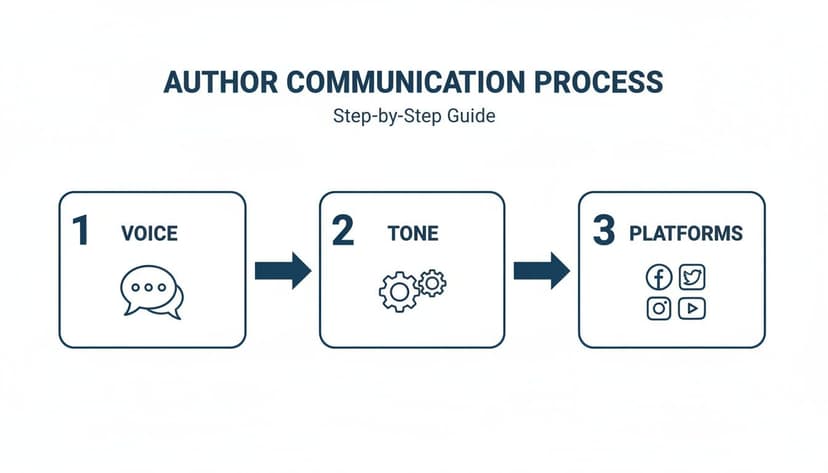
This process shows exactly how your core author voice translates into a specific tone for each platform, ensuring a consistent experience for your readers. The key is to start with your authentic voice and simply adapt its expression—not its essence.
Your Top Author Branding Questions, Answered
Once you start digging into your brand strategy, a few questions are bound to pop up. It’s one thing to fill out a template, but it’s another to see how it works in the real world of writing and publishing. Let's tackle some of the most common ones.
How Often Should I Update My Author Brand Strategy?
Think of your brand strategy like a map. You don't need a new one for every single trip, but you should check it before a big journey. A good rule of thumb is to review it once a year or any time you’re making a major shift, like launching a new series or moving into a different genre.
This doesn't mean starting from scratch. It's more of an annual check-in to make sure your mission, audience, and visual direction still feel right. If reader feedback starts to shift or a new trend is taking over your genre, that’s also a good signal to pull it out for a quick look. Your brand should be a living document, not a static file.
I Have Multiple Pen Names. Do I Need a Brand Strategy for Each?
Yes, absolutely. In fact, you definitely should. Each pen name requires its own dedicated brand strategy template. A pen name you use for gritty urban fantasy is going to attract a completely different reader—with different expectations—than a pen name for sweet, small-town romance.
Treating each pen name as a distinct brand is the secret to avoiding reader confusion and building a fiercely loyal audience for each one.
This keeps your messaging clean and powerful. The dark, atmospheric design needed for thriller book covers would feel completely jarring to a reader expecting a light, fun story. A separate strategy for each pen name protects that reader experience and lets you go all-in on the specific tropes and promises of that genre.
My Books Jump Between Genres. How Can I Build One Cohesive Brand?
This is a common challenge for authors who write widely. The key is to stop focusing on genre conventions and instead find the single thread that ties all your books together. Your brand isn't about a single genre; it's about you and what you consistently deliver.
Ask yourself what your unique element is:
- Is it a recurring theme? Maybe all your stories, whether sci-fi or contemporary, are about underdogs finding their strength.
- Is it your unique voice? Perhaps your writing is always witty and fast-paced, no matter the plot.
- Is it a shared emotional core? Do all your books leave the reader feeling hopeful and inspired?
Anchor your brand strategy on that core element. Your book covers can then nod to specific genre expectations while still sharing a common visual thread—like a signature font family, a consistent color treatment, or a specific compositional style—that makes your entire backlist feel like a collected set.
This Seems Great for Covers, But What Else is a Brand Strategy Good For?
Your brand strategy is far more than a cover design brief; it’s your entire marketing playbook. Once you have it, the guesswork disappears.
It tells you what kind of content to post on social media because you know your brand voice. It shows you exactly who to target with your ads because you’ve defined your reader persona. It even helps you decide what to write about in your newsletter by focusing on what your specific audience cares about. It’s the compass that ensures every single marketing effort you make reinforces your brand and speaks directly to the readers you want to reach.
Relevant Free Tools
Keep going with the right generator
These tools match the topic of this article and give readers a direct next step.
Pen Name Generators
Pen Name Generator
Generate pen names with AI. Find memorable, marketable author names and pseudonyms that fit your genre, tone, and brand.
Open tool
Pen Name Generators
Pseudonym Generator
Generate pseudonyms with AI. Find clean, memorable aliases and pen names for fiction, nonfiction, and privacy-focused publishing.
Open tool
Ready to Create Your Own Book Cover?
Turn your story into a visual masterpiece. Fill in the details below to start generating professional covers instantly.
