How to Publish a Novella: A Quick, Compelling Guide
Discover how to publish a novella with actionable steps on formatting, cover design, distribution, and marketing.
Posted by
 Pablo Yáñez
Related reading
9 Best Book Marketing Tools for Indie Authors (2026)
Compare nine book marketing tools for indie authors, from market research and cover design to reader delivery, email, promotion, and ad tracking.
How to Build a Character Profile for Book Cover Design
Build a visual character profile that keeps cover art accurate and consistent. Define appearance, clothing, references, exclusions, and series continuity.
How to Repurpose One Book Cover for Print, Audio, and Ads
Turn one approved front cover into a print wrap, audiobook square, text-free artwork, mockups, ads, and social assets without rebuilding the design.
Ready to design your cover?
Use our AI book cover generator to create tailored book cover concepts in minutes.

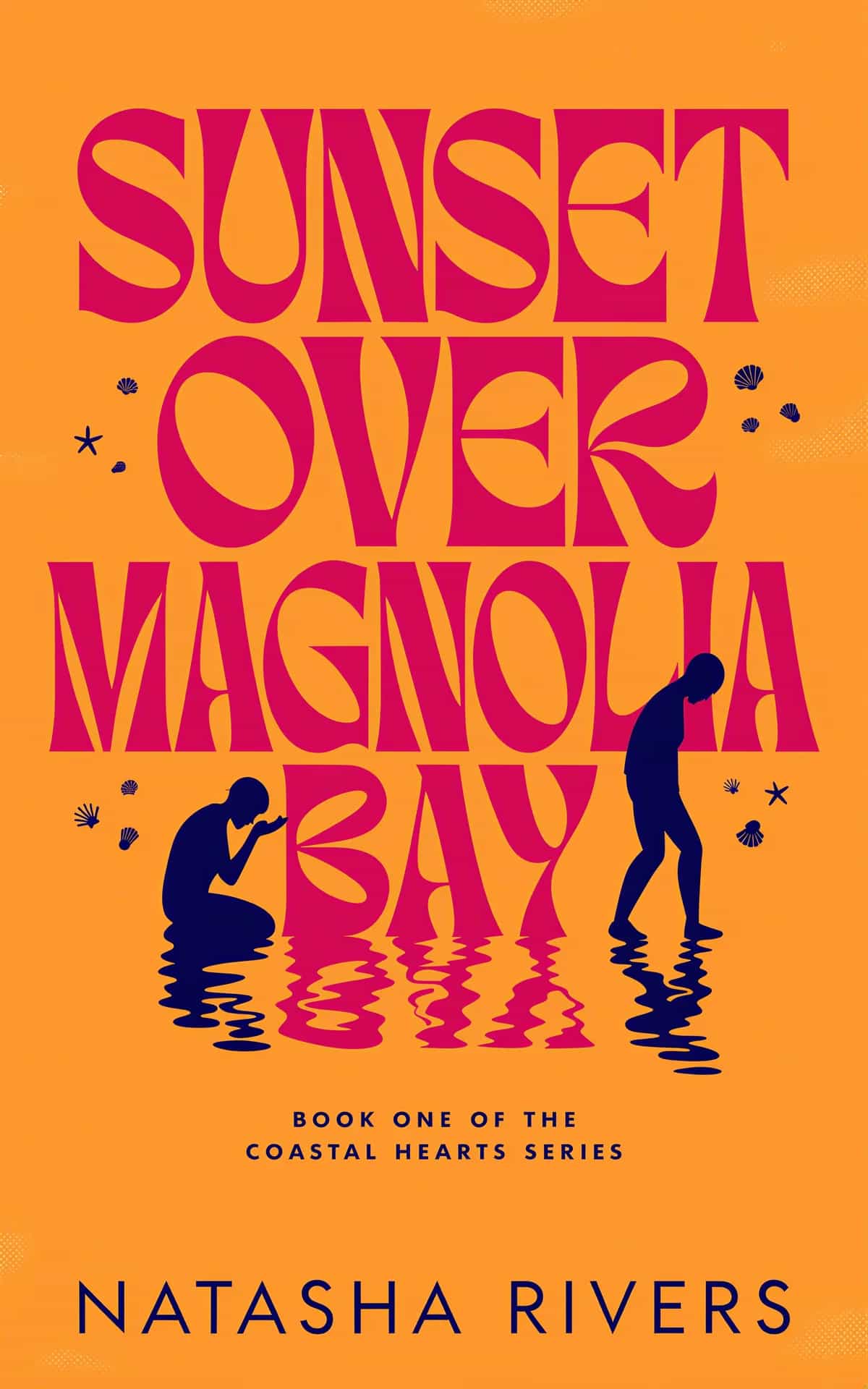
So you've written a novella. Congratulations! You've crafted a story that sits in that sweet spot between a short story and a full-blown novel, typically landing somewhere between 17,500 and 40,000 words. Now comes the exciting part: turning that manuscript into a finished book that readers can buy and enjoy on platforms like Amazon.
The journey isn't as daunting as you might think. It boils down to a few key decisions about professional formatting, getting a cover that pops, and figuring out where you want to sell your book. This guide is your roadmap, breaking down the entire process from start to finish.
Your Roadmap to Publishing a Novella
Think of this as your strategic map for taking your story from a Word doc to a published work. Publishing a novella is a fantastic opportunity for indie authors. It's faster than a novel, but still offers a deep, satisfying experience for the reader.
This isn't just about uploading a file and hoping for the best. It's about making smart, informed choices that give your novella the best possible chance to find its audience. We'll walk through the core decisions you'll need to make, so you can launch with confidence.
The Key Decisions on Your Publishing Journey
When you decide to self-publish, you're not just an author anymore—you're the publisher. This puts you in complete control of the creative vision and the business strategy. Your main job is to manage these three areas:
- Production: This is the hands-on part. It covers everything from editing and proofreading to formatting your manuscript for both ebook and print. Crucially, it also includes getting a professional-looking cover that screams "buy me!" to your ideal reader.
- Distribution: How will readers find your book? You have to decide if you want to be exclusive to Amazon through their KDP Select program or go "wide" and make your novella available on other stores like Apple Books, Kobo, and Barnes & Noble.
- Pricing and Marketing: Finding the right price is key. For novellas, this is often in the $0.99 to $2.99 range. You'll also need a basic marketing plan to get the word out when you launch.
Your novella isn't just a passion project; it's a product entering a massive market. The fiction book market is valued at a staggering $10.88 billion, and indie authors are a huge part of its success. Want to see the numbers? You can dig into the full research about the expanding fiction book market to see just how much opportunity is out there.
To help you visualize the path ahead, here's a quick look at the core stages.
Core Stages of Novella Publishing
| Stage | Key Action | Primary Goal |
|---|---|---|
| Preparation & Editing | Finalize your manuscript with professional or self-editing. | Ensure the story is polished, tight, and error-free. |
| Production & Design | Format for ebook/print and get a professional cover. | Create a visually appealing, market-ready product. |
| Metadata & Setup | Write compelling book descriptions and choose keywords. | Optimize your book for discoverability on retail sites. |
| Distribution | Choose your retail channels (KDP Select or wide). | Make your book available for purchase by your target readers. |
| Pricing & Launch | Set your price and plan your launch-week marketing. | Generate initial sales, reviews, and visibility. |
These stages form the foundation of a successful launch, giving you a clear structure to follow as you bring your novella to the world.
Why Novellas Are an Indie Author's Secret Weapon
Honestly, novellas are one of the most powerful tools in an indie author's arsenal. Their shorter length is a massive advantage. You can write, edit, and publish them much faster than a 100,000-word epic, which means you can build your backlist and release new content to your readers more frequently.
They're also perfect for experimentation. Want to test out a new genre, tell a very focused side story for an existing series, or create a juicy "reader magnet" to grow your author newsletter? A novella is the perfect format. By mastering the art of novella publishing, you're adding a flexible and highly effective way to grow your author career.
Getting Your Manuscript Dressed for Success
A fantastic story can be completely undermined by clumsy formatting. Trust me, readers notice—weird indents, wonky spacing, or a table of contents that goes nowhere. Getting the manuscript right is the non-negotiable step that turns a hobby project into a professional book. It's your digital first impression.
The good news? You don't need a design degree to get a clean, polished look. Whether you're starting in a simple Google Doc or using dedicated software, the core principles are the same for both ebooks and print. Let's break them down.
Ebook Formatting Essentials
For an ebook, the goal is a seamless reading experience. The text needs to flow beautifully on any device, from a tiny phone screen to a big tablet. Your raw manuscript is just the starting point; it needs to be refined for digital platforms.
Before you go anywhere near an upload button, you have to clean up your document. That means stripping out all the manual formatting you might have used while writing. No more hitting the spacebar for indents or mashing the enter key to create a scene break. Instead, you'll use paragraph styles to do the heavy lifting.
Here’s what you absolutely must get right for your ebook:
- First-Line Indents: Set a standard indent (usually 0.3" to 0.5") for the first line of every paragraph in your style settings. Never, ever use the tab key.
- Scene Breaks: Use a single, centered symbol like an asterisk (*) or a neat little ornament. Don't just leave extra blank lines—they can look messy on different devices.
- Clickable Table of Contents (TOC): This is a must-have. Apply your word processor's heading styles (like "Heading 1") to each chapter title. This simple step allows tools like Kindle Create or Vellum to auto-generate a linked TOC your readers can actually use.
- Front and Back Matter: Don't forget the professional touches. Include a proper title page, a copyright page, and think about adding an "About the Author" section and a call to action to join your newsletter at the very end.
A polished manuscript isn't just for self-publishing. While the indie route gives you incredible freedom, the global book industry is still a massive $126.9 billion market. Novellas are gaining traction with digital-first imprints and short fiction anthologies, so having a professionally formatted file makes you look like a pro if you ever decide to query agents. You can learn more about global book publishing market trends on IBISWorld.
Preparing for Print on Demand
Print formatting is a different beast—it’s far less forgiving. What you see in your final PDF is exactly what rolls off the printer, so every detail matters. The first thing you'll need to decide on is the physical size of your book.
For a novella, a smaller trim size often feels more elegant and intentional. A popular choice is 5" x 8", which is a bit smaller than a typical mass-market paperback. It feels substantial in the hand without making your shorter story look too thin.
When setting up your print document, focus on these critical details:
- Trim Size: The very first step is setting your page size to your chosen dimensions (e.g., 5" x 8").
- Margins: These are the empty spaces framing your text. A good starting point is 0.5" for the top, bottom, and outside edges.
- Gutter: This is the extra space on the inside margin. It’s crucial because it stops your text from disappearing into the spine when the book is bound. For a novella, adding an extra 0.3" to 0.4" to the inside margin is a safe bet.
- Page Numbers and Headers: Add page numbers and consider a simple header with the book title on one page and your author name on the other.
Formatting Tools for Every Budget
You have plenty of options for turning your manuscript into a beautiful book file. Your choice really comes down to your budget, your computer, and how tech-savvy you feel.
| Tool | Best For | Cost | Key Feature |
|---|---|---|---|
| Vellum | Mac users who want gorgeous, automated layouts without the fuss. | ~$200 | Creates stunning, professional ebook and print files at the same time with elegant, pre-set styles. |
| Atticus | PC/Web users looking for a powerful Vellum alternative. | ~$150 | An all-in-one writing and formatting powerhouse that works on any operating system. |
| Kindle Create | Authors going exclusive with Amazon KDP. | Free | A straightforward tool that helps turn a clean Word doc into a polished KDP-ready file with professional themes. |
| Reedsy Book Editor | Authors wanting a free, all-in-one, cloud-based solution. | Free | A web-based tool for writing and exporting clean, pro-looking ebook and PDF files. |
In the end, great formatting should be invisible. When you nail it, the reader won't be thinking about your margins or indents—they'll just be lost in the world you created. Taking the time to get these details right is one of the best investments you can make in your author career.
Creating a Cover That Captures Readers
Let's be blunt: your novella's cover is its most powerful salesperson. In the endless scroll of a digital bookstore, it's the first—and often the only—thing a potential reader will see.
Your cover has a tough job. It needs to scream genre, whisper the story's tone, and spark curiosity, all while looking incredible as a tiny thumbnail on a phone. Choosing how to get that cover made is one of the biggest decisions you'll make, directly impacting how many eyes land on your story.
Your Three Paths to a Perfect Cover
You really have three main ways to tackle your cover, and each comes with its own trade-offs in cost, time, and how much say you get in the final product.
- Hire a Professional Designer: This is the gold standard for a reason. You get a completely custom cover that's perfectly on-brand. A pro lives and breathes genre conventions, typography, and composition. The obvious downside is the price tag, which can run anywhere from a few hundred to over a thousand dollars.
- Buy a Pre-Made Cover: This is a fantastic middle ground. Talented designers often sell unique, pre-made covers that are only sold once. You can snag a professional-quality design for a fraction of the custom price, typically in the $50-$200 range.
- Go the DIY Route: If you have a good eye for design or are on a shoestring budget, making your own cover is a legitimate option. Modern tools have made this easier than ever, but it comes with a warning: you have to understand basic design principles to avoid creating something that looks amateur.
DIY Cover Design That Actually Sells
If you decide to design it yourself, the mission is to make something that looks professional, not homemade. Success really boils down to a few key things you absolutely can't skip.
First, your typography has to be genre-perfect. A thriller demands sharp, impactful fonts. A sweet romance needs something more elegant and flowing. Using the wrong font is like showing up to a black-tie event in shorts—it instantly tells savvy readers you don't understand their world.
Next, get a handle on basic color psychology. Take a look at the top 100 bestsellers in your specific sub-genre on Amazon. You'll see patterns immediately. Blues and blacks often signal sci-fi or thrillers, while bright, warm palettes are common in contemporary romance or cozy mysteries, and rich jewel tones lend themselves to fantasy novella cover designs.
A cover's job is to stop a reader mid-scroll and make a promise about the story inside. Your font, imagery, and color palette are a visual contract. If you write a gritty sci-fi but use a whimsical, curly font, you've broken that contract before the reader even clicks.
Finally, you must source high-quality, royalty-free stock images. Never, ever just pull an image from a Google search; that’s a fast track to serious copyright trouble. Use sites like Pexels and Unsplash for free options, or consider paid sites like Depositphotos for a wider selection. A crisp, high-resolution image is non-negotiable. For instance, you can see how high-quality imagery is used effectively in these romance cover design ideas.
Modern Tools for Cover Creation
Tools like Canva have certainly made DIY design more accessible for authors — though if you've outgrown its templates, there are strong Canva alternatives for book cover design. And the landscape is shifting again with newer technology that can save you a ton of time and money.
As an indie author, knowing your options is part of publishing smarter. You can learn more about how new technologies are impacting design by exploring a book cover generator. Understanding how these tools work can help you generate genre-specific concepts in minutes, giving you a professional edge without the professional price tag.
Where Should You Sell Your Novella? Distribution and ISBNs Explained
Your manuscript is polished and your cover is ready to grab eyeballs. Now comes one of the biggest business decisions you'll make as an indie author: where will readers actually buy your novella?
This isn't just a logistical step; it's a strategic choice that will define your book's launch and shape its earning potential for years to come. You have two main paths in front of you: go all-in with Amazon by enrolling in KDP Select, or go "wide" and make your book available on every retailer you can.
There’s no magic answer here. The right choice depends entirely on your goals for this novella and your long-term vision for your author career.
The Amazon Exclusive Route: KDP Select
When you enroll your ebook in KDP Select, you’re giving Amazon exclusive rights to sell it for a 90-day period. This term automatically renews, but you can opt out at the end of each period. In return for your loyalty, Amazon unlocks some of its most powerful promotional tools.
The single biggest perk is getting your novella into Kindle Unlimited (KU). Think of it as a massive, all-you-can-read buffet for voracious readers. For a new author, this is a game-changer. KU subscribers are far more willing to take a chance on an unknown name because your book is essentially "free" for them to borrow. This can lead to a huge surge in reads and page-read royalties, which helps your book climb the charts and gain visibility.
KDP Select also gives you access to other nifty tools:
- Kindle Countdown Deals: You can run limited-time price drops to $0.99 or $1.99 while still collecting a sweet 70% royalty (instead of the usual 35% for books priced below $2.99).
- Free Book Promotions: You can make your novella free for up to five days each term. This is a classic tactic to get a massive number of downloads, especially for the first book in a series, hoping to hook readers who will then buy the rest.
The obvious catch? You're putting all your eggs in the Amazon basket. Your book won't be on Apple Books, Kobo, Barnes & Noble, or anywhere else. You're completely ignoring a huge slice of the global ebook market. For a deeper look at the platform's nuts and bolts, this guide to self-publishing on Amazon is a fantastic resource.
Going Wide: Building a Resilient Author Business
Choosing to go "wide" is the long-term play. It means you're uploading your novella to every retailer possible, either one by one or using an aggregator like Draft2Digital to simplify the process.
This strategy is all about diversification. You're building an author business that isn't at the mercy of a single company's algorithm, policy changes, or whims.
Sure, you might not get that explosive launch that KU can sometimes provide. But what you gain is stability. You build dedicated readers on platforms like Kobo, which is huge internationally, or on Apple Books, which has a loyal user base. Over time, your income streams become steadier and your business more resilient.
Below is a quick comparison to help you weigh your options. There's no right or wrong, just what's right for you.
KDP Select Exclusive vs Wide Distribution
| Feature | KDP Select (Amazon Exclusive) | Wide Distribution (Multiple Retailers) |
|---|---|---|
| Reach | Amazon's global marketplace only. | Global reach across all major and minor ebook retailers (Apple, Kobo, B&N, etc.). |
| Discoverability | High initial potential via Kindle Unlimited (KU) and Amazon's promotional tools. | Slower, organic growth. Relies on building a following on each individual platform. |
| Promotions | Access to exclusive tools like Kindle Countdown Deals and Free Book Promotions. | You control your own promotions (e.g., price-matching, sales) across all stores. |
| Royalty Rate | 70% for books priced $2.99-$9.99. Page-read royalties from KU borrows. | Varies by retailer, but often 60-70%. No income from borrows. |
| Flexibility | Locked into a 90-day exclusive contract for the ebook. | Complete freedom. You can change prices, run promotions, or delist your book anytime. |
| Best For... | Authors seeking a fast launch, rapid visibility, and leveraging Amazon's ecosystem. Great for a debut or series starter. | Authors focused on building a long-term, stable, and platform-independent career. |
Many authors actually use a hybrid approach. They might launch a new novella in KDP Select for the first 90 or 180 days to capitalize on the KU audience, then pull it out and go wide to build a broader readership.
The infographic below walks you through another critical decision—designing your cover—showing how factors like budget and your specific needs can point you to the right solution.
 Just like choosing between KU and wide, picking a cover strategy involves weighing short-term costs against long-term branding goals.
Do You Need an ISBN?
The last piece of this puzzle is the International Standard Book Number (ISBN). This is your book's unique 13-digit fingerprint in the global marketplace. Whether you need one depends entirely on where and how you publish.
Here’s the breakdown:
- Just an Amazon Ebook? If you're only selling your ebook on Amazon, you don't need to buy an ISBN. Amazon will assign it a free ASIN (Amazon Standard Identification Number) that works just fine inside their store.
- Selling a Print Book? You absolutely need an ISBN for any print version, no matter where it's sold. KDP Print offers a free one, but there's a catch: it lists Amazon as the publisher and you can't use that ISBN anywhere else.
- Selling Your Ebook Wide? If you want your ebook on Apple Books, Kobo, and other stores, you'll need your own ISBN to track it properly across all those different systems.
My advice? If you're serious about this, buy your own. Purchasing your own ISBNs (from a place like Bowker in the US) makes you the official publisher of record. It gives you maximum control and flexibility—a crucial step in building a professional author brand.
Smart Pricing and Marketing for Your Novella
Publishing a novella means you’re playing a different game, especially when it comes to pricing and marketing. A reader’s expectations for a 30,000-word story are worlds away from a 90,000-word novel, and your entire strategy has to reflect that.
Getting the price right isn't just about the royalties—it’s about signaling the right value and pulling in your ideal audience. And your marketing needs to be just as nimble. A novella is a uniquely powerful tool in your author toolkit. It can be the perfect hook for new fans, a bridge between major releases, or a low-risk way to experiment. Let’s get into how to price your novella for success and market it without blowing your budget.
Finding Your Pricing Sweet Spot
For most indie authors, novella pricing boils down to three magic numbers: $0.99, $1.99, and $2.99. Each sends a completely different message to readers and seriously impacts your bottom line.
A $0.99 price tag is a pure impulse buy. It's a fantastic price for kicking off a new series or as a "perma-free" strategy to hook readers who will then buy your other, full-priced books. The huge catch? On Amazon KDP, you only earn a 35% royalty at this price point.
While $1.99 is a decent middle ground, the most popular—and often most effective—choice is $2.99. This is the golden ticket. It qualifies you for the coveted 70% royalty rate on KDP, which can double your earnings per sale. It also tells readers they're getting a complete, polished story with real substance, making it the go-to for countless successful indies.
Key Takeaway: Sure, $0.99 might get you a ton of downloads, but the jump to a 70% royalty at $2.99 means you earn so much more per sale. For a new release, $2.99 usually strikes that perfect balance between perceived value and actual author income.
Novellas as Powerful Marketing Tools
Stop thinking of your novella as just a short book. Start seeing it as a strategic asset. Its shorter length makes it incredibly versatile for your author business.
- The Ultimate Reader Magnet: Offer your novella for free to everyone who signs up for your author newsletter. This is one of the fastest ways to build a direct line to your fans, letting you announce new releases and cultivate a loyal following.
- A Bridge Between Novels: Writing an epic series? A novella is the perfect snack to tide readers over while they wait for your next big book. It keeps them hooked on your world and characters, maintaining crucial momentum.
- Testing New Waters: Got a wild idea for a new genre or a quirky character that might not carry a full novel? A novella is the perfect low-risk format to experiment and gauge your audience's reaction.
Lean and Effective Marketing Tactics
You don’t need a massive budget to market a novella well. The trick is to be targeted and smart.
Running focused ads on platforms like Amazon or Facebook can be surprisingly affordable if you know exactly who you're trying to reach. You can target readers who have already bought books by authors similar to you, which means every ad dollar is spent wisely.
To see how marketing fits into your overall budget, it helps to understand the full financial picture. Our guide breaks down the typical costs of self-publishing, from cover design to advertising, giving you a clear roadmap.
Once your novella is out in the wild, visibility is everything. For a deeper look at attracting readers organically, check out this modern playbook for SEO strategies specifically for publishers.
Maximizing Value with Bundles and Box Sets
Don't let your novella just sit there by itself forever. As you write more, you unlock new ways to earn. Bundling several related novellas into a single "box set" or collection is a proven strategy that works wonders.
For example, if you write three novellas in the same series, you can package them together. Sell the collection for a higher price, like $4.99 or even $5.99. This is an incredible value proposition for readers—more story for their money—and it creates a brand new, higher-priced product for your backlist.
This simple move turns a few standalone projects into a cohesive, more profitable library of your work.
The Final Pre-Launch Checklist
You're in the home stretch. The story is written, the cover is designed, and the launch date is circled on your calendar. Before you hit that big, beautiful "Publish" button, it's time for one last, meticulous pass to catch any gremlins hiding in the works. This isn't just about typos; it's your final quality control check to make sure your novella is primed for readers and the storefront algorithms.

First things first, pull up your production files. I mean your absolutely final, no-more-tweaks formatted manuscript files—both the ebook version and the print PDF. Give your cover files a final once-over, too. Is the resolution sharp? Is every word legible? A blurry cover or a wonky paragraph indent screams amateur hour to a potential reader. Don't fall at the final hurdle.
Nailing Your Metadata
With your files confirmed, turn your attention to the stuff that works behind the scenes: your metadata. This is the crucial data that platforms like Amazon KDP use to connect your book with the right readers. Getting this right is what separates a launch that fizzles from one that flies.
Your book description is your sales pitch. It needs to be punchy, hook the reader from the first sentence, and make the genre and stakes crystal clear. I always try to weave in a few of my most important keywords naturally. Think of it as SEO for your story.
Next up: categories and keywords. These are the digital signposts pointing readers directly to your book.
- BISAC Categories: Be specific. Don't just list your book under "Fiction." That's like shelving it in a warehouse. Drill down to find the right neighborhood, like "Fiction > Romance > Paranormal." That’s where your superfans are browsing. You get two main ones, so make them count.
- Amazon Keywords: You get seven keyword slots, and they are pure gold. Put yourself in a reader's shoes. What would they type into the search bar? Mix broader terms ("space opera romance") with super-niche ones ("alien warrior novella") and maybe even some comp authors in your genre.
Pro Tip: Your metadata is a living thing. If your novella isn’t finding its audience after a few months, don't just let it sit there. Go back in and experiment. Tweak the blurb, swap out a few keywords, or even try a different set of categories. Sometimes a small change can make a huge difference.
Final Housekeeping Tasks
Okay, your metadata is locked and loaded. Just a few last-minute details. Pop over to your Amazon Author Central page and make sure your author bio is up to date. This is where you can link to your newsletter, website, or other books to keep new readers in your orbit.
Finally, get your launch day announcements queued up and ready to fire. Draft those social media posts, write the email you’ll send to your mailing list, and have everything scheduled. A smooth, organized launch doesn't happen by accident. It starts right here, with this final, thorough check.
Once you’ve ticked off every item, you can hit "Publish" with total confidence.
Got Questions About Publishing Your Novella?
Diving into novella publishing for the first time? It's totally normal to have a few questions pop up. Getting them answered upfront can clear the fog and let you get back to what you do best: writing.
Let's cut through the noise and get you the straight answers you need.
How Long Should My Novella Be?
The sweet spot for a novella is typically between 17,500 and 40,000 words. For context, the Science Fiction and Fantasy Writers of America (SFWA) officially defines it as 17,500 to 39,999 words when they're considering books for awards.
This word count is perfect for a story that has more meat than a short story but doesn't need the sprawling plot of a 90,000-word epic. You get plenty of room for character arcs without the massive commitment.
Do I Really Need an ISBN for a Novella?
This one comes down to your publishing goals. If you're planning to be exclusive to Amazon KDP for your ebook, you can get by just fine with their free ASIN. No fuss, no cost.
But you absolutely need your own ISBN if you want to:
- Sell a print-on-demand (POD) paperback version.
- Go "wide" and sell your ebook on other stores like Apple Books, Kobo, or Barnes & Noble.
Owning your ISBN, which you can get from an agency like Bowker, makes you the official publisher. It's a professional touch that gives you complete control over your book's distribution and metadata.
What's the Right Price for My Novella?
Pricing is more art than science, but there are some proven strategies. Most indie authors find success pricing their novellas at $0.99, $1.99, or $2.99. A $0.99 price tag is a great hook for new readers, but just remember it only nets you a 35% royalty on KDP.
If you price it at $2.99 or higher, you jump up to that beautiful 70% royalty rate. For that reason, $2.99 is often the perfect balance—it feels like a great deal to the reader, and it fairly compensates you for your work.
And if you're thinking about taking your novella global, check out these helpful book translation FAQs for expert insights.
Ready to Create Your Own Book Cover?
Turn your story into a visual masterpiece. Fill in the details below to start generating professional covers instantly.