Back to Blog

10 Styles for Killer Book Cover Design Inspiration in 2025

Stuck in a creative rut? Get book cover design inspiration from 10 standout styles, complete with analysis, pro tips, and AI prompts to use today.

Posted by

Your book cover has less than five seconds to capture a reader's attention and communicate its genre, tone, and core promise. It's not just packaging; it's a critical sales tool. A strategic cover can stop a potential reader from scrolling, while a generic or poorly executed one can make your story completely invisible, regardless of the quality of the writing inside. Understanding the principles behind effective design is non-negotiable for authors and publishers who want to compete.

This curated gallery is built to provide concrete book cover design inspiration by breaking down ten powerful and current approaches. We move beyond simple descriptions to analyze precisely why these designs succeed, from minimalist typography that conveys literary weight to atmospheric photography that sets an immediate mood.

For each example, you will find:

  • Strategic Analysis: A breakdown of the core design principles at play.

  • Actionable Takeaways: Practical tips you can apply directly to your own cover projects.

  • AI Generator Prompts: Starter ideas to help you experiment with concepts and variations.

This isn't just a list of pretty pictures. It's a practical toolkit designed to help you make informed, strategic decisions and create a cover that sells.

1. Minimalist Design with Typography Focus

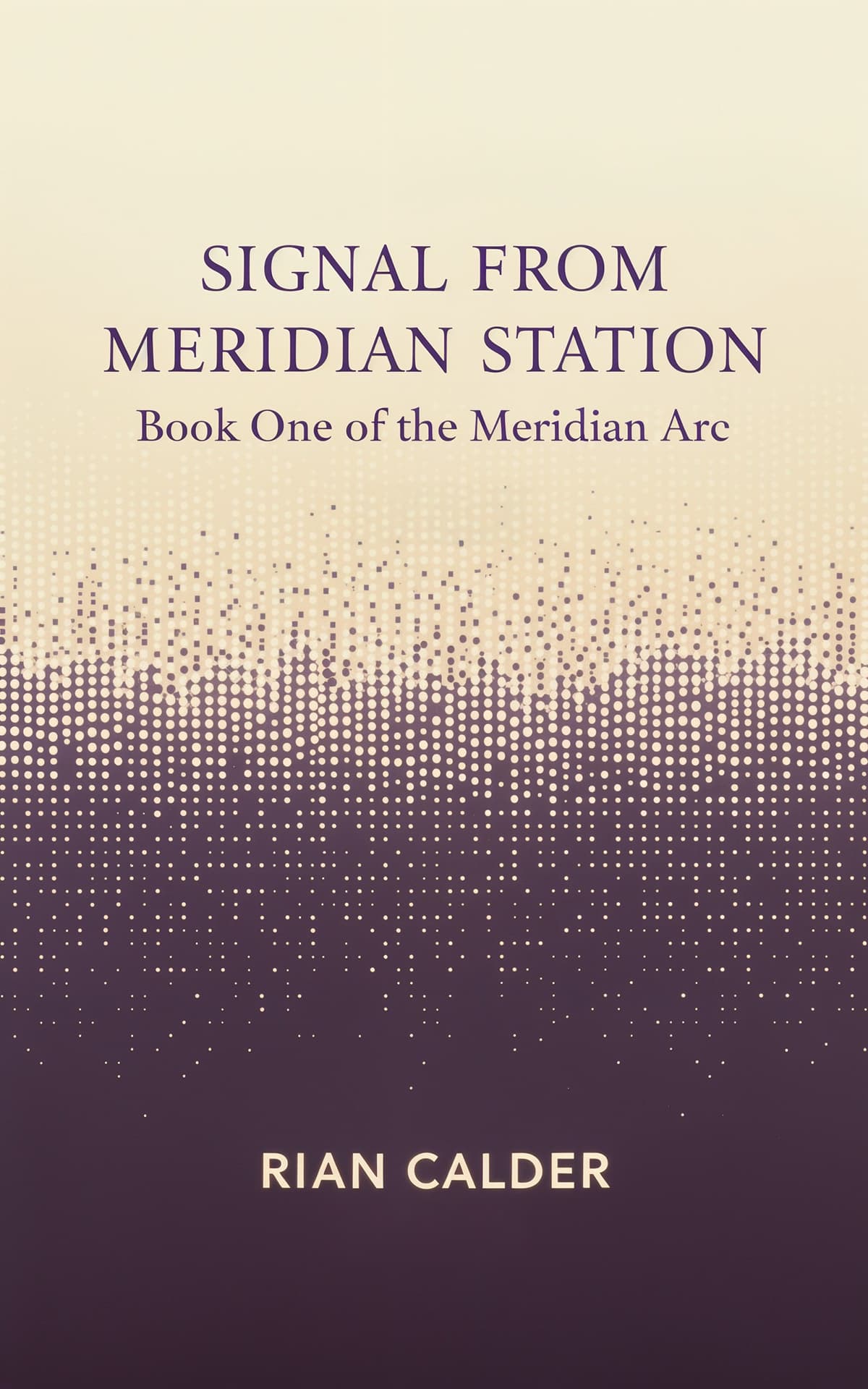
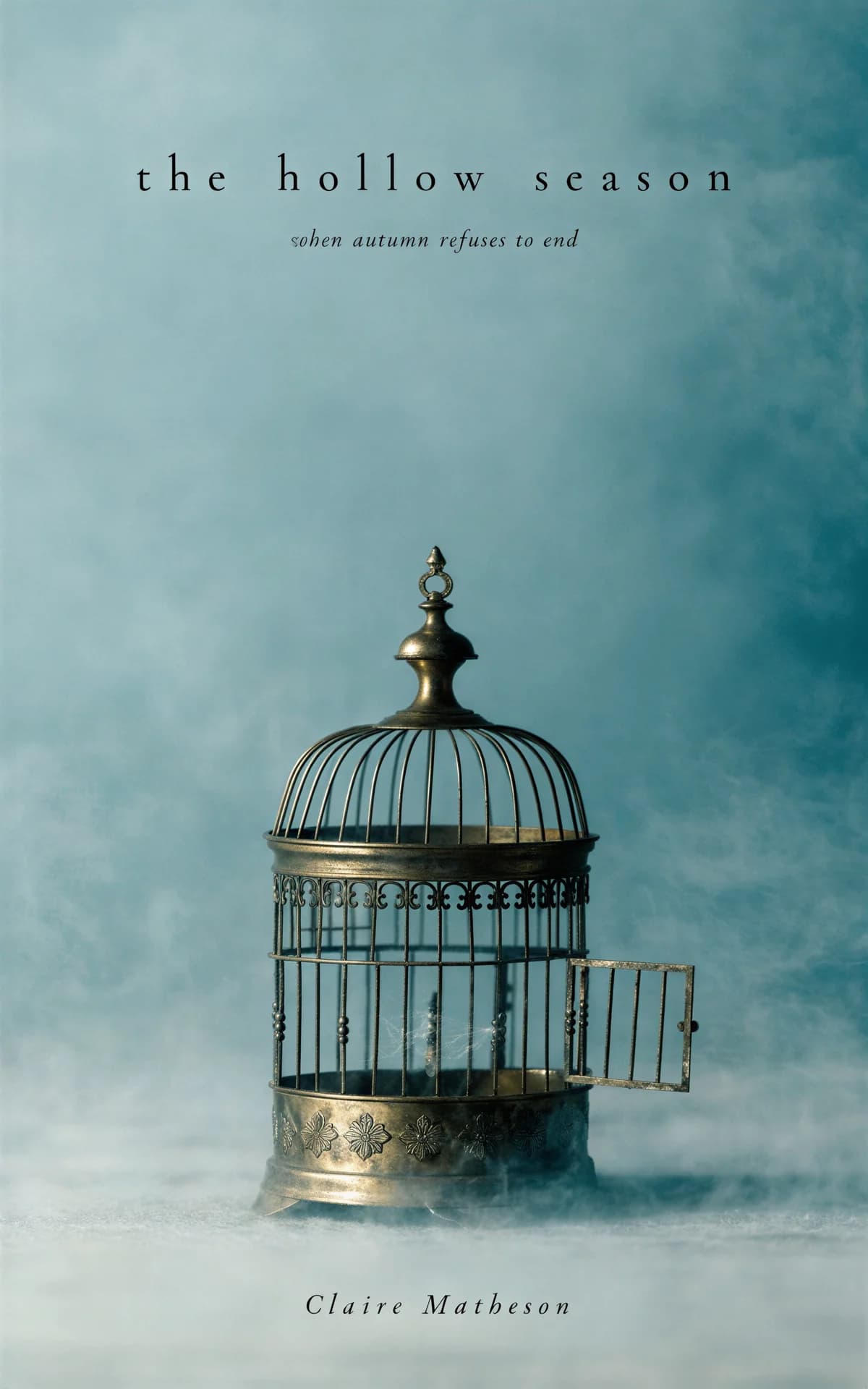
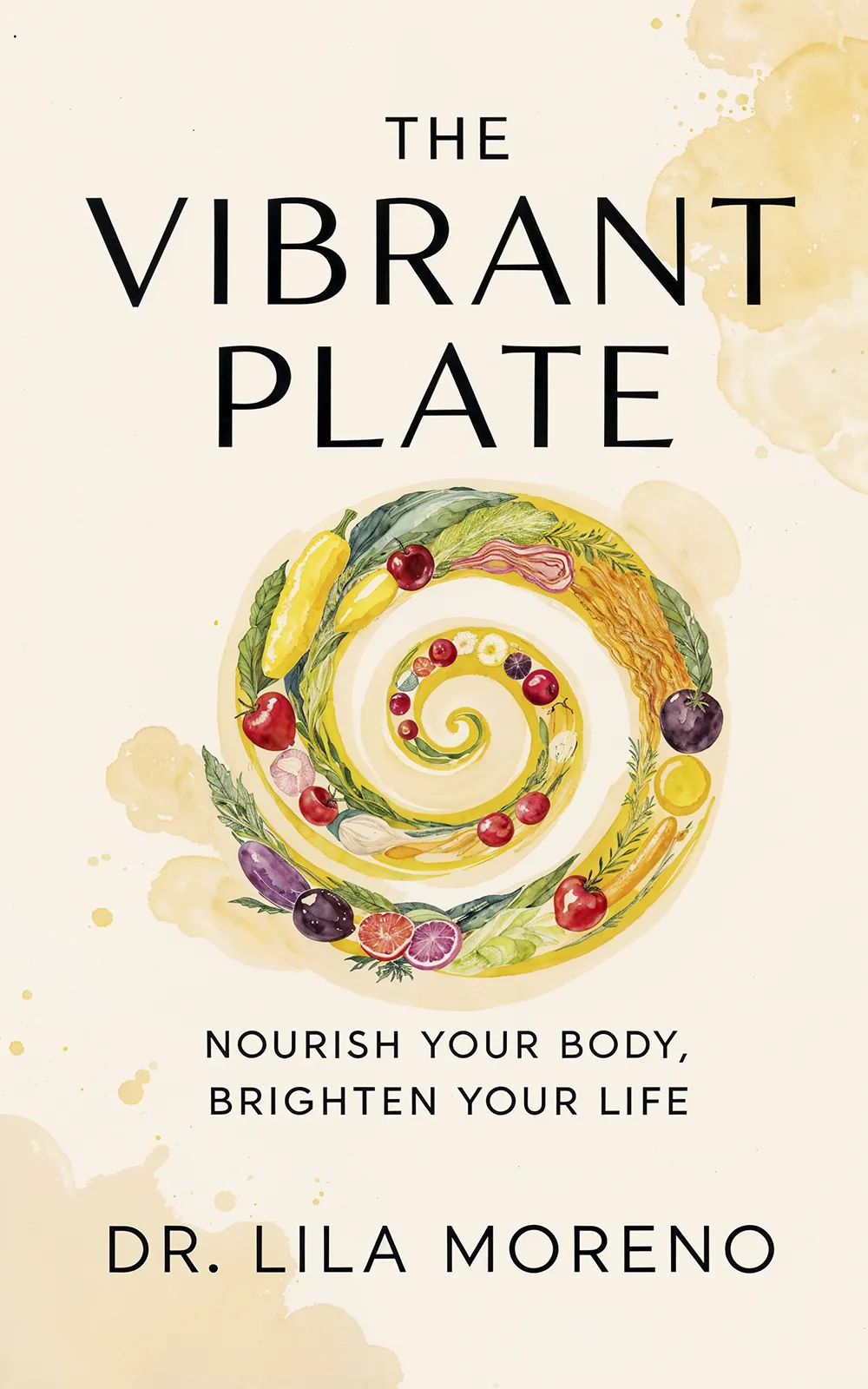
Minimalist book cover design inspiration often begins with a powerful, typography-focused approach. This style strips away complex imagery and unnecessary elements, forcing the title and author's name to become the central artistic feature. By relying on bold typefaces, strategic use of negative space, and a restrained color palette, this design philosophy communicates confidence and sophistication.

Three versions of Signal from Meridian Station by Rian Calder are displayed side by side on a wooden table, each offering unique book cover design inspiration. The designs include a minimalist gray cover with sound wave graphics, a warm gradient cover with concentric circles, and a modern dark teal cover with clean typography and signal lines, all under the series title Book One of the Meridian Arc.

This method is particularly effective for literary fiction, non-fiction, and poetry, where the ideas within the text are the main draw. Iconic examples like the Penguin Classics series and much of Chip Kidd's work demonstrate how type alone can convey a book's tone, whether it's classic and authoritative or modern and disruptive. The goal is to make the words themselves the art.

Key Strategy & Actionable Tips

The core strategy is to use constraint as a creative tool. Limiting your visual elements forces you to make deliberate, impactful choices about font, color, and layout.

  • Choose a Voice-Driven Typeface: Your font choice does the heavy lifting. A sharp, geometric sans-serif font suggests a modern, technical subject, while an elegant serif implies classic literature or historical content.

  • Establish a Clear Hierarchy: Use size, weight, and placement to guide the reader's eye. The title should dominate, followed by the author's name, and then any subtitles or taglines.

  • Leverage Negative Space: The empty space on the cover is just as important as the text. Use it to create a sense of calm, tension, or importance, allowing your typography to breathe and command attention.

  • Test for Thumbnail Legibility: A great minimalist cover must work as a tiny image on a digital storefront. Ensure the title is instantly readable at a small scale.

By focusing on these elements, you can create a cover that is both artistically compelling and commercially effective. For those looking to experiment with this style, exploring different font combinations is a great starting point. You can create your own professional-looking designs with an online book cover maker.

2. Atmospheric Photography with Overlay Text

Using atmospheric photography with text overlays is a powerful way to generate book cover design inspiration that immediately establishes a story's mood. This style pairs an evocative, high-quality photograph with carefully placed typography, using the image to create an emotional connection before a reader even opens the book. It effectively grounds the narrative in a tangible setting or feeling, making it a popular choice for everything from thrillers to contemporary romance.

A hardcover copy of The Orchard That Dreamed in Circles by Rhea Solivent stands upright on a rustic wooden table, set against a softly blurred library backdrop. The cover shows a lone figure reading beneath a twisted tree bearing glowing orange fruit, silhouetted against a warm, gradient sky at dusk. The subtitle reads “A Pastoral Mystery in Shifting Seasons,” hinting at the book’s contemplative and atmospheric tone.

This approach is highly effective for genres like literary fiction, suspense, and romance where setting and tone are crucial selling points. Covers like Paula Hawkins' The Girl on the Train or many of Colleen Hoover's novels use blurry, moody, or scenic imagery to hint at the internal landscape of the characters. The goal is to choose a photo that tells a story on its own and then integrate the text so it feels like a seamless part of the composition.

Key Strategy & Actionable Tips

The core strategy is to find a perfect marriage between image and text where neither overpowers the other. The photograph sets the stage, and the typography delivers the essential information with clarity and style.

  • Prioritize Text Legibility: The title and author must be instantly readable. Place text in areas of the photo with low contrast or apply a subtle gradient, shadow, or color block behind the words to make them pop.

  • Choose a Mood-Setting Image: The photograph should convey the book's core emotion. A misty forest might suggest mystery, while a sun-drenched beach could imply a summer romance. Stock photo sites offer budget-friendly, high-quality options.

  • Create Visual Contrast: Use a font color that stands out against the primary colors of the background image. A bright white or yellow title often works well against a dark, moody landscape.

  • Ensure Mobile Readability: Test your cover as a small thumbnail, as this is how most online shoppers will see it first. If the title is illegible at a small size, the design isn't effective for digital sales.

3. Illustrated Art Style Covers

Illustrated art style covers use original hand-drawn or digitally created illustrations as the primary visual element, offering a unique and often deeply personal connection to the story. This approach moves beyond stock photography to create a bespoke piece of art that can perfectly capture a book's tone, world, and characters. It gives authors incredible creative control, resulting in a cover that is truly one-of-a-kind.

A richly illustrated edition of The Glass Crown of Veyra by Mairen Duskfort stands upright on a wooden desk in a warmly lit library. The cover features an Art Nouveau–style portrait of a woman with braided hair and flower accents, reaching toward a glowing crystal crown, surrounded by roses and ghostly figures in the background. The cozy setting includes scrolls, old books, a glowing crystal, and a fireplace with runes carved into the mantel.

This style is a staple in fantasy, children's literature, and graphic novels, where custom art helps build immersive worlds. Covers for Leigh Bardugo's Grishaverse or the iconic work of Dave McKean for Neil Gaiman's books show how illustration can become synonymous with a series. The art not only sells the book but becomes part of its identity, making it a powerful tool for brand recognition.

Key Strategy & Actionable Tips

The strategy here is to commission artwork that directly reflects the book's soul while aligning with genre conventions. This requires a clear artistic vision and strong communication with an illustrator.

  • Find a Matching Style: Hire an illustrator whose existing portfolio aligns with your genre and the specific mood you want to convey. A whimsical watercolor artist is great for middle grade but less so for grimdark fantasy.

  • Create a Detailed Art Brief: Provide a clear document outlining key characters, symbols, settings, color palettes, and the desired emotional tone. This prevents misunderstandings and ensures the final art meets your vision.

  • Maintain Technical Quality: Always request high-resolution files (at least 300 DPI) to ensure the artwork looks crisp in both print and digital formats.

  • Plan for Series Consistency: If writing a series, decide on a consistent artistic element (e.g., character framing, color scheme, typographic treatment) that will tie the covers together.

Investing in custom illustration provides a unique aesthetic that helps a book stand out. For those exploring visual styles, you can learn more about how the best AI book cover generator of 2025 can help you create stunning illustrative concepts.

4. Bold Color Blocking and Geometric Shapes

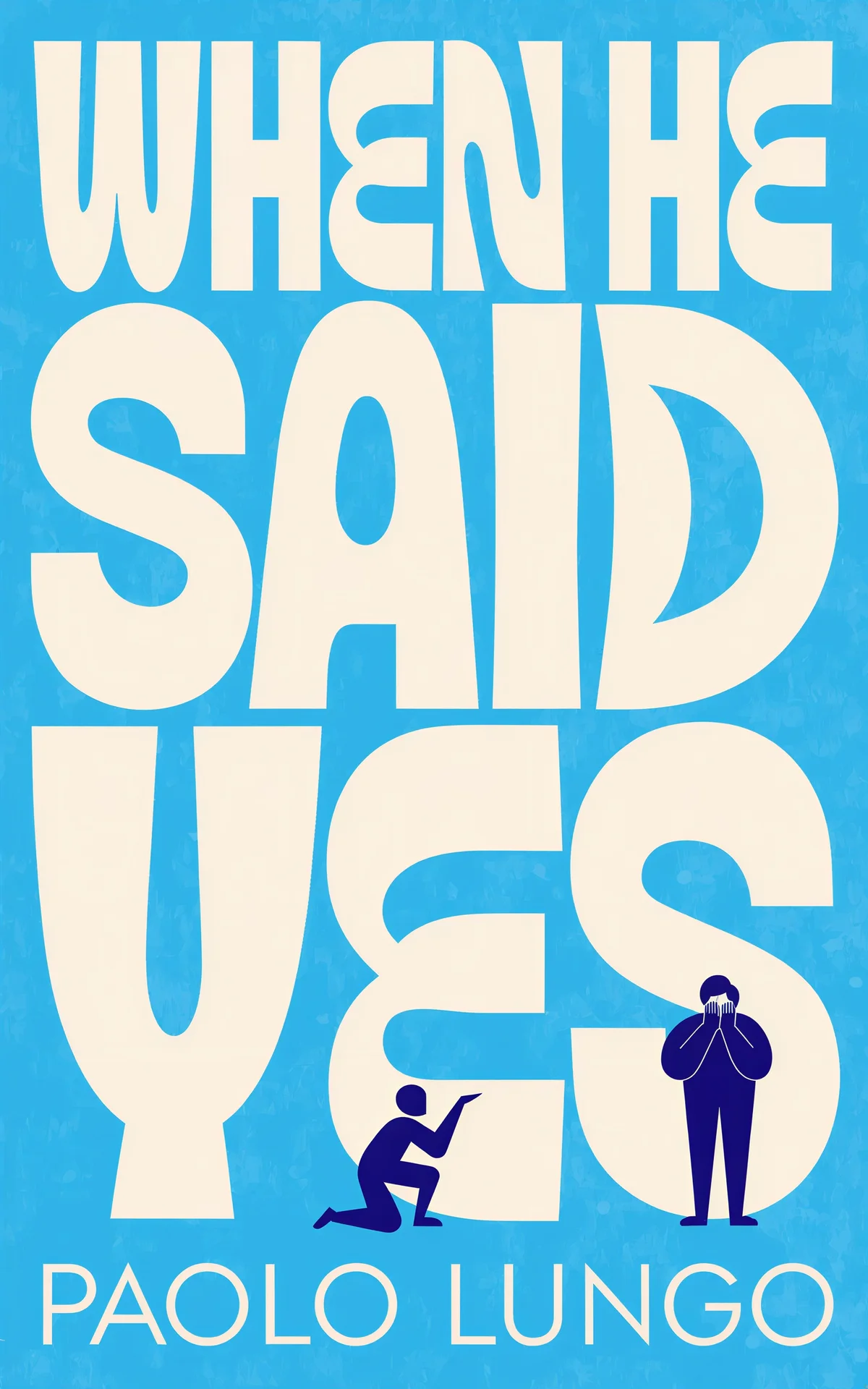
A vibrant, modern source of book cover design inspiration is the use of bold color blocking and geometric shapes. This approach segments the cover into distinct, high-contrast color fields and uses fundamental shapes like circles, squares, and lines to create a dynamic and visually structured composition. The result is a clean, confident, and attention-grabbing design that feels both artistic and purposeful.

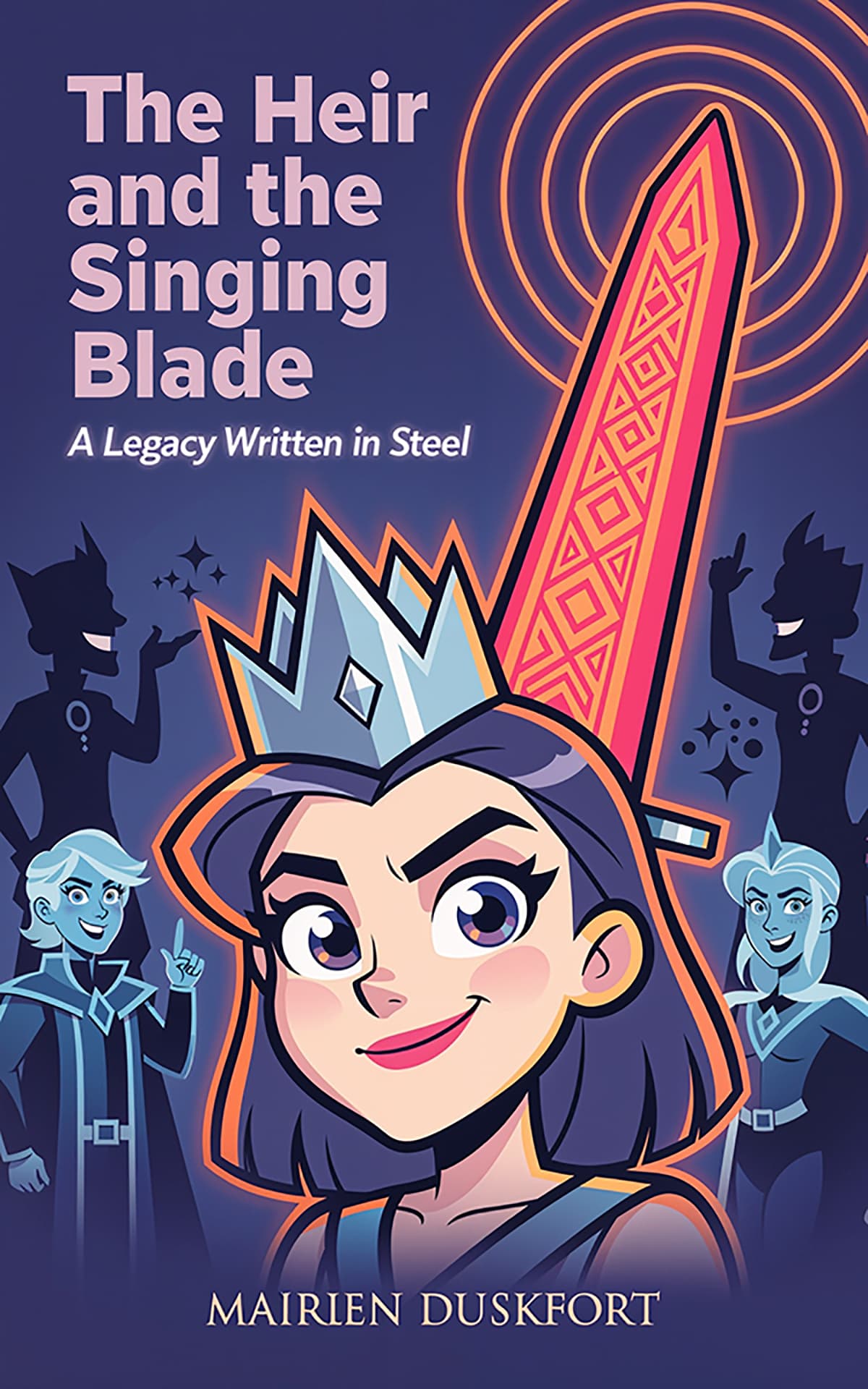
A book titled "The Heir and The Singing Blade" with a green and gold geometric design, resting on a wooden surface.

This style is incredibly effective for contemporary fiction, business books, and self-help titles where the goal is to convey clarity and modern thinking. Publishers like Penguin Random House often use this technique to give non-fiction a fresh, accessible feel, while authors like Marie Kondo have used simplified geometric designs to represent order and simplicity. The key is using color and form to communicate a core idea instantly.

Key Strategy & Actionable Tips

The core strategy here is to use color and shape to build a visual structure that directs the eye and creates an emotional response. It’s about building a design from simple, powerful components rather than complex imagery.

  • Use Color Psychology: Choose colors that evoke the book's central theme. A bright yellow might suggest optimism and energy for a self-help book, while a deep blue and sharp red could create tension for a thriller.

  • Balance Simplicity and Complexity: A few well-placed shapes are often more powerful than a busy, complex pattern. Let one or two geometric forms dominate the design to create a clear focal point.

  • Ensure High Contrast for Readability: Place text on solid color blocks with significant contrast to ensure the title and author name are easily legible, especially on digital platforms.

  • Let Shapes Symbolize Content: The shapes themselves can carry meaning. A circle can represent unity or completion, while sharp, angular lines might suggest conflict or innovation.

By focusing on these principles, you can create a visually stunning cover that feels both contemporary and conceptually strong. This approach provides excellent book cover design inspiration for authors who want a cover that stands out with clean, graphic precision.

5. Textured and Embossed Covers

Moving beyond purely visual elements, textured and embossed covers provide a tactile experience that can significantly elevate a book's perceived value. This approach uses physical treatments like embossing (raising parts of the cover), debossing (indenting them), foil stamping, and specialty paper stocks. This form of book cover design inspiration turns the book into a physical object of desire, inviting readers to touch and feel the design.

A hardback edition of The Heir and the Singing Blade by Mairen Duskfort stands upright on a wooden table in soft natural light. The cover shows a bearded man in medieval attire facing a giant sword embedded in cracked earth, with a golden crown resting on the blade and black birds flying overhead. The tagline “A Legacy Written in Steel” appears beneath the bold red title, hinting at a fantasy adventure rooted in destiny.

This premium technique is best suited for special editions, luxury gift books, and high-end non-fiction or memoirs where a sense of permanence and quality is paramount. Publishers like Assouline and other specialty presses use these finishes to create collector's items that stand out in a crowded market. The goal is to create a multi-sensory interaction that makes the book memorable before the first page is even turned.

Key Strategy & Actionable Tips

The core strategy here is to add a physical dimension to your design, creating a premium feel that justifies a higher price point and enhances the reader's connection to the book.

  • Choose Complementary Techniques: Combine textures with visuals. For example, use a glossy foil stamp on a key word or symbol against a matte, textured background for a powerful contrast.

  • Focus on a Single Element: Less is more. Embossing a title or a central design element has a greater impact than texturing the entire cover. A single, well-executed tactile feature feels deliberate and luxurious.

  • Consult with Your Printer Early: These techniques have specific technical requirements. Discuss your ideas with your printing partner early in the design process to understand costs, limitations, and possibilities.

  • Align Texture with Genre: A gritty, rough texture might suit a thriller or historical non-fiction, while a soft-touch laminate with elegant gold foil is perfect for a romance or a self-help guide.

6. Monochromatic Color Schemes with Visual Depth

Monochromatic book cover design inspiration relies on using a single color family to create a sophisticated and cohesive aesthetic. This approach leverages varying tones, shades, and tints of one hue to build depth, contrast, and visual interest without overwhelming the viewer. The result is an elegant, unified design that communicates a specific mood with great clarity and focus.

A hardcover edition of The Heir and the Singing Blade by Mairen Duskfort lies on a rustic wooden table, lit warmly by candlelight. The minimalist cover design features a white silhouette of a sword beneath a crown on a deep brown background, with the subtitle A Legacy Written in Steel above. Surrounding the book are a feather quill, rolled map, brass candleholder, and hints of old-world adventure.

This technique is especially powerful for literary fiction, philosophy, and art books, where the design aims to be thoughtful and refined rather than loud. Covers for authors like Kazuo Ishiguro or publications from The Metropolitan Museum of Art often use this method to create a timeless and premium feel. The strength of this style lies in its controlled elegance and its ability to evoke emotion through a disciplined use of color.

Key Strategy & Actionable Tips

The core strategy is to use tonal variation as your primary design tool. By limiting the color palette, you force every shade and every element to work harder, creating a rich visual experience from a simple foundation.

  • Select a Core Hue: Choose a single color that powerfully reflects the book's central theme or mood. A deep blue might suggest melancholy or intellect, while a vibrant yellow could convey optimism.

  • Create Hierarchy with Tone: Use the lightest tints for background elements and the darkest shades for key information like the title. This creates natural contrast and guides the reader’s eye without adding new colors.

  • Incorporate Texture: Add subtle depth by using textures like linen, paper grain, or soft gradients within your monochromatic scheme. This prevents the design from feeling flat while maintaining its minimalist integrity.

  • Test in Grayscale: A well-executed monochromatic cover should still be effective when viewed in grayscale. This ensures the tonal contrast is strong enough to work across different devices and viewing conditions.

This refined approach provides a potent way to create a visually stunning and emotionally resonant book cover. For designers and authors seeking a sophisticated look, mastering monochromatic schemes is a valuable skill.

7. Retro and Vintage Design Revival

Tapping into nostalgia, retro and vintage design revival brings the aesthetics of past decades to contemporary bookshelves. This style borrows from specific eras like the Art Deco '20s, mid-century modern '50s, or the psychedelic '70s, blending nostalgic typography, color palettes, and graphic elements with a modern design sensibility. The result is a cover that feels both timeless and fresh, creating an instant connection with readers who appreciate classic styles.

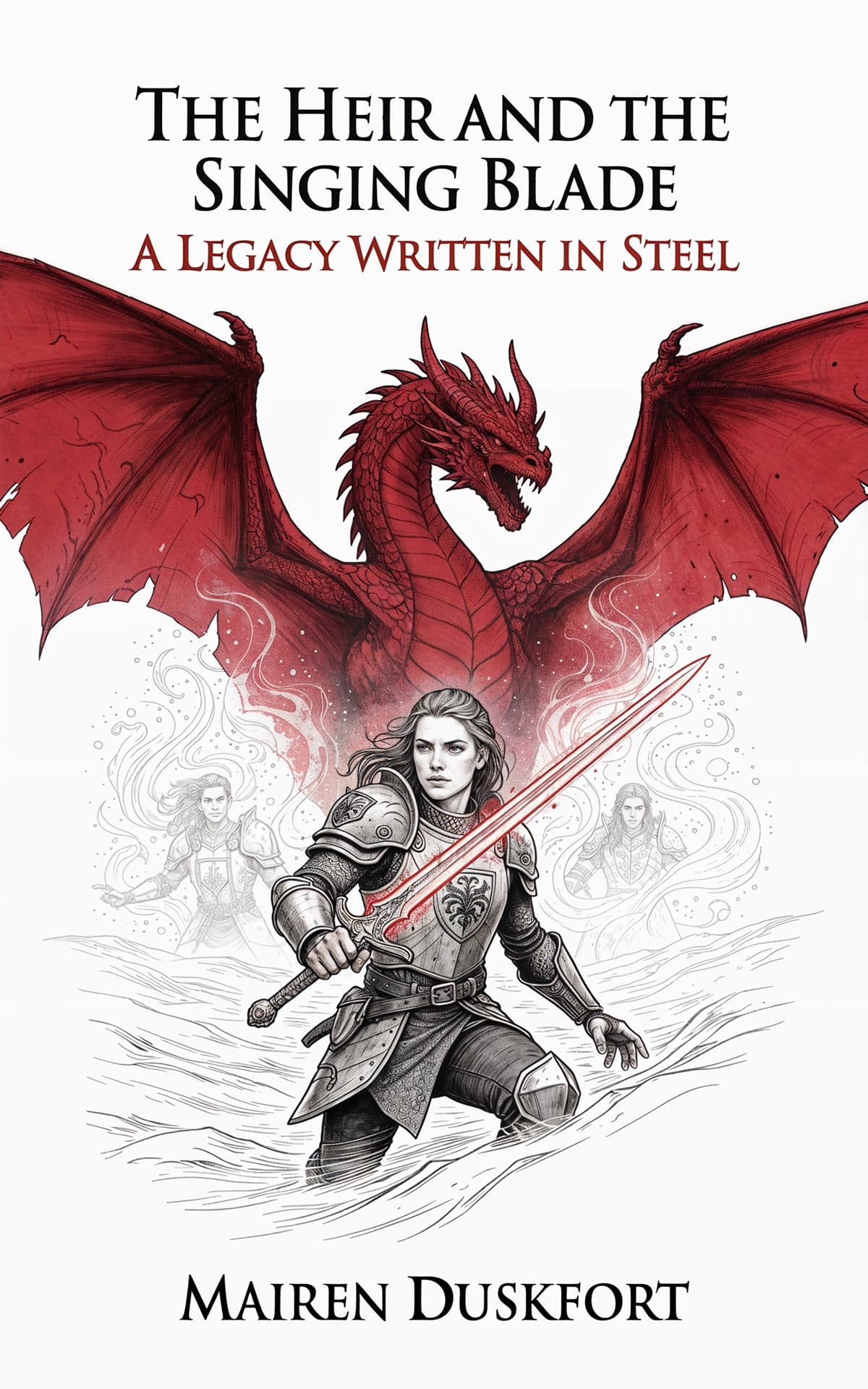
An ornate vintage-style edition of The Heir and the Singing Blade by Mairen Duskfort lies atop a weathered map on a wooden writing desk. The grayscale cover features a stylized illustration of a determined figure gripping a decorated sword, with swirling silhouettes, a crown, and symbols of legacy in the background. The scene is lit by candlelight and surrounded by wax-sealed envelopes, a brass compass, and other explorer’s tools, evoking a timeless fantasy adventure.

This approach is highly effective for historical fiction, reissued classics, or contemporary stories with a retro setting. Publishers like Drawn & Quarterly and the designers behind many Tana French covers masterfully use vintage aesthetics to set a specific mood. This type of book cover design inspiration relies on familiarity to evoke a feeling of authenticity and charm, signaling a story that honors its roots while telling a new tale.

Key Strategy & Actionable Tips

The core strategy is to faithfully evoke a specific era's design language without creating a direct copy. It's about capturing the feeling of a vintage artifact while ensuring the design meets modern commercial expectations.

  • Research Your Era: Don't just guess. Study the typography, color theory, and layout conventions of the decade you're referencing. Look at old posters, magazines, and original book covers for authentic inspiration.

  • Balance Vintage with Modern: A purely retro design might look dated. Combine a vintage-style font with a clean, modern layout, or use a retro illustration within a contemporary grid structure. This blend is key to its appeal.

  • Use Texture Subtly: Distressed effects, paper textures, and faded colors can add authenticity. However, they must look intentional and not like a low-quality scan. The goal is stylistic, not sloppy.

  • Choose Period-Accurate Typography: The font is often the biggest giveaway of a specific era. Using a typeface like Futura can suggest a mid-century feel, while ornate serifs might evoke Victorian literature.

By carefully curating these historical elements, you can create a cover that is both a beautiful object and a powerful marketing tool.

8. Conceptual and Abstract Covers

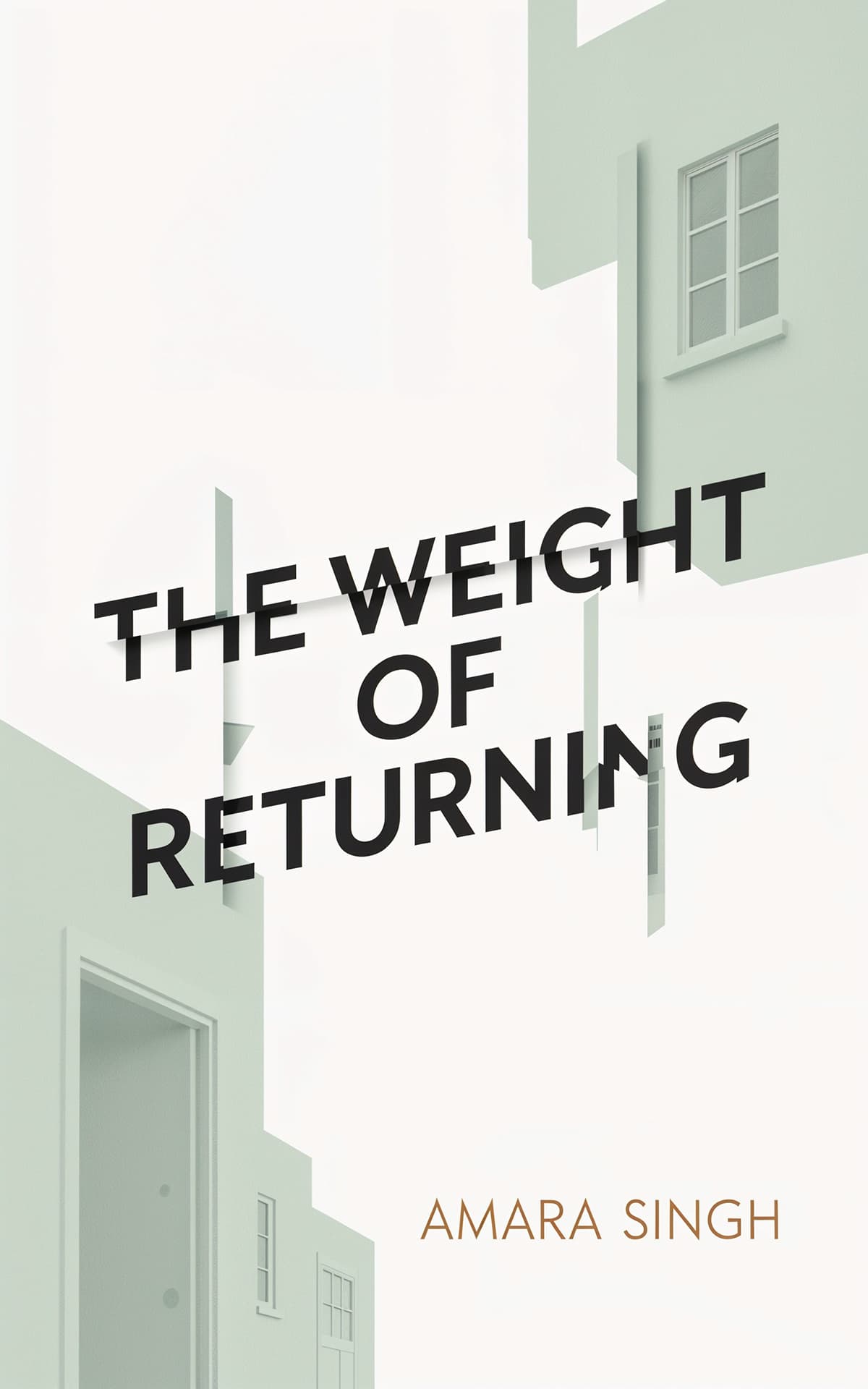
Conceptual and abstract covers offer book cover design inspiration by prioritizing metaphor over literal representation. This approach moves beyond showing characters or scenes, instead using symbolism, suggestive forms, and visual metaphors to connect with a book's core themes. By avoiding concrete imagery, these designs engage readers intellectually, inviting them to interpret the visual language and ponder its meaning.

A book cover with a grid design on a concrete desk, surrounded by papers showing sound waves and drafting tools.

This style is a hallmark of literary fiction, philosophy, and poetry, where complex ideas are central to the work. Covers for authors like Kazuo Ishiguro or Margaret Atwood often use abstract art to hint at internal conflict, societal critique, or emotional landscapes. The goal isn't to show what the book is about in a literal sense, but to evoke how the book feels.

Key Strategy & Actionable Tips

The core strategy is to distill the book’s central theme into a single, potent visual metaphor. This requires a deep understanding of the text's emotional and intellectual underpinnings to create a design that is both enigmatic and revealing.

  • Connect Form to Theme: Ensure every abstract element, whether a color wash or a distorted shape, has a direct symbolic link to the book’s primary concepts, like isolation, connection, or transformation.

  • Use Color for Emotional Cues: Your color palette is critical for setting the tone. Muted, cool colors might suggest melancholy or introspection, while bold, clashing hues can imply conflict or chaos.

  • Balance Abstraction with Clarity: While the design is abstract, the title and author must be perfectly legible. The abstract art should intrigue, not confuse the potential reader about the book's genre or content.

  • Test for Interpretation: An abstract concept that makes sense to you might not resonate with your target audience. Test your design with a small group of readers to ensure the intended feeling comes across.

By focusing on symbolic representation, you can create a sophisticated cover that appeals to readers looking for a thought-provoking experience. This approach provides fantastic book cover design inspiration for works that defy easy categorization.

9. Character-Driven and Portrait Covers

Placing a character's face or figure at the forefront is a powerful and direct way to generate book cover design inspiration. Whether using photography or illustration, portrait-based covers forge an immediate emotional connection by putting a human face to the narrative. This approach personalizes the story, inviting readers to connect with the protagonist's journey before they even read the first page.

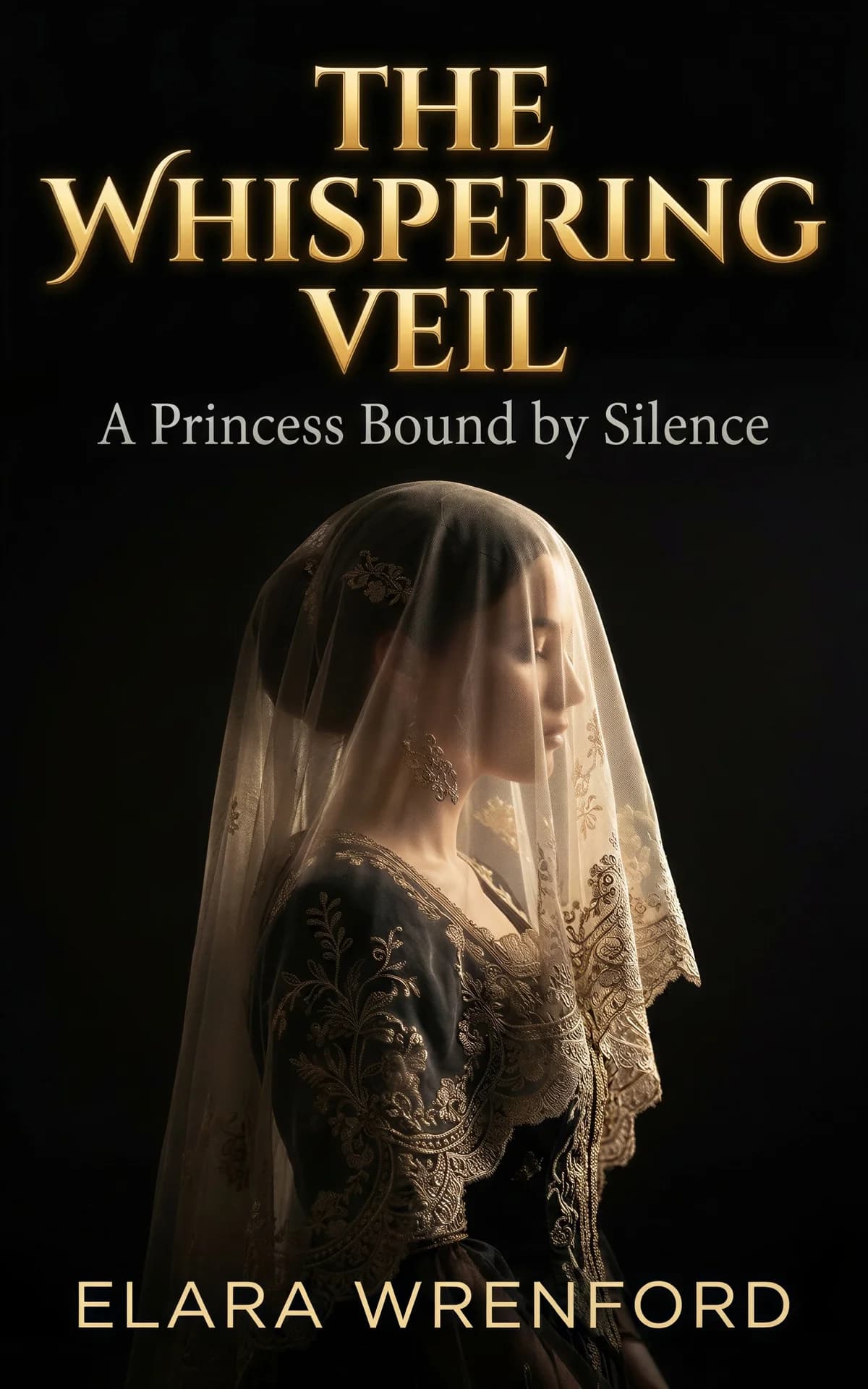
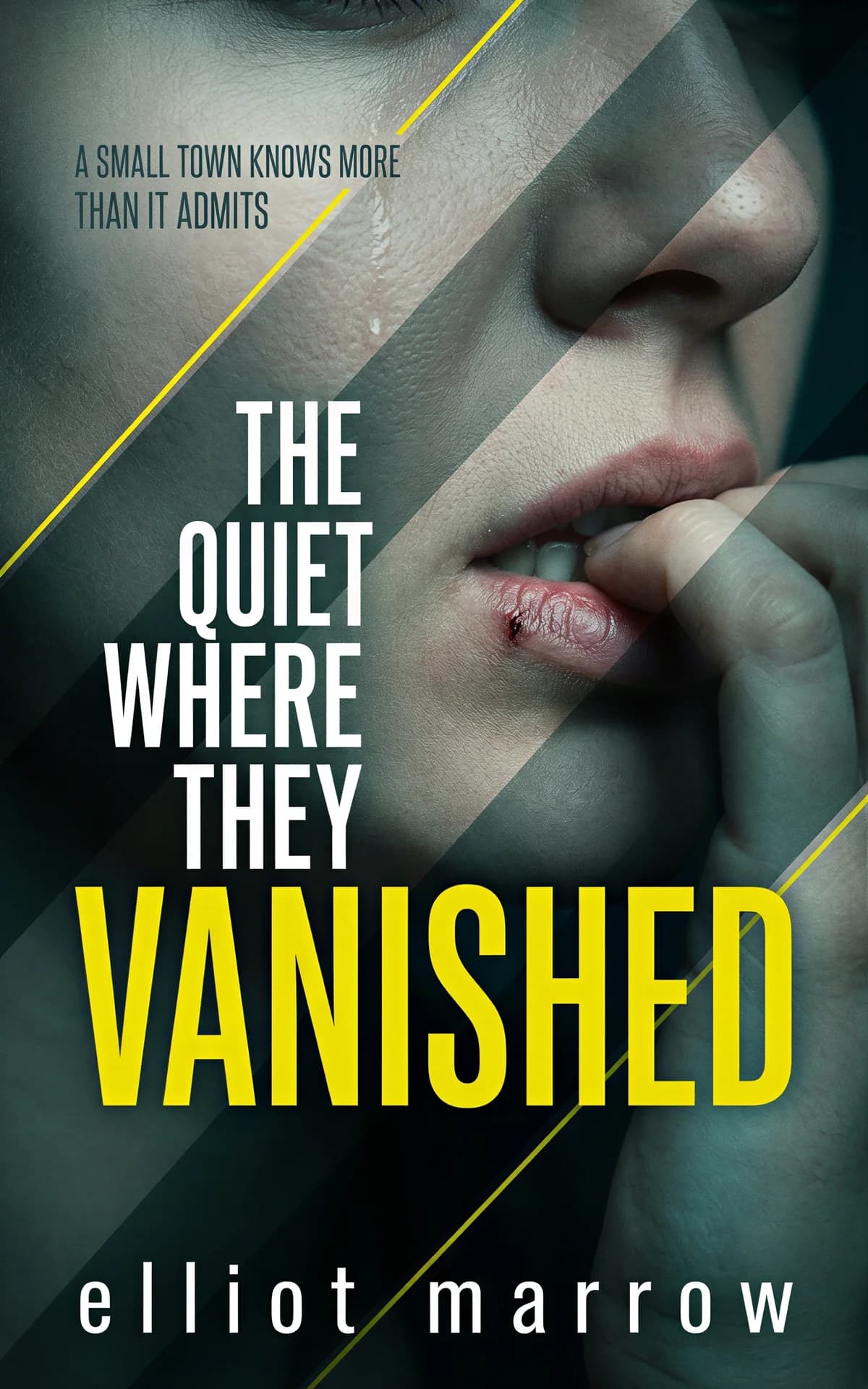
A hardcover copy of The Whispering Veil by Elara Wrenford lies on a bed of soft, cream-colored satin, partially draped in delicate lace. The book cover shows a mysterious woman behind a sheer black veil, echoing the title’s romantic and possibly gothic tone. Sunlight filters through matching lace curtains, creating a dreamy, ethereal atmosphere.

This method is a staple in genres where the protagonist's experience is central, such as young adult, thrillers like Gone Girl, memoirs, and romance. The character's expression, posture, and gaze can instantly communicate the book's tone, be it defiant, mysterious, or vulnerable. The key is to make the reader ask, "Who is this person, and what is their story?"

Key Strategy & Actionable Tips

The core strategy is to use the human face as the primary hook to convey emotion and genre. The character becomes the symbol of the story's central conflict and theme, making the cover instantly relatable and intriguing.

  • Convey Tone Through Expression: The model's or illustration's expression does the heavy lifting. A direct, confident gaze works for a strong protagonist, while a partially obscured or pensive look can build mystery and suspense.

  • Balance Character and Title: Ensure the portrait doesn't overpower the typography. The title and author's name must remain clear and legible, often integrated into the composition around the character's form.

  • Ensure Thumbnail Impact: A character’s face is highly recognizable even at a small size. Test the cover as a tiny thumbnail to ensure the expression and key details are still effective on digital retail platforms.

  • Reflect Your Audience: Representation matters. Choose a portrait that resonates with your target audience and accurately reflects the character within the story, considering a range of diverse and contemporary portrayals.

For a deeper dive into how this style is evolving, see more examples of modern character-driven and portrait covers.

10. Pattern and Motif-Based Designs

Using repeating patterns and intricate motifs offers a powerful source of book cover design inspiration, creating a visually rich and textured experience. This style moves beyond a single focal image, weaving a narrative or mood through decorative elements. The pattern itself becomes the artwork, telling a story through rhythm, repetition, and symbolism, instantly drawing the reader's eye.

A copy of The Silence Between Footsteps by J. Marlowe Finch is pinned to the center of a corkboard styled as a crime investigation board. Red string connects the book to blurry photographs, newspaper clippings with headlines like “Unsolved Disappearance” and “City Mystery Deepens,” handwritten case notes, and marked city maps. The setup evokes a suspenseful, mystery-driven narrative set in a city that hears everything.

This approach is highly effective for fantasy novels with complex world-building (think map-like motifs), cultural stories where patterns hold specific meaning, and literary fiction that aims for an artful, sophisticated feel. Covers for authors like Haruki Murakami often use surreal patterns to evoke the book's dreamlike atmosphere, demonstrating how a motif can communicate tone better than a literal scene.

Key Strategy & Actionable Tips

The core strategy is to use the pattern to establish an immediate sense of theme, genre, or mood. The design should feel intentional, with every element of the motif contributing to the book's identity.

  • Choose a Relevant Motif: The pattern shouldn't be random. A botanical pattern works well for nature-themed stories, while geometric shapes might suit science fiction or psychological thrillers.

  • Balance Intricacy with Legibility: A complex pattern can be stunning, but it must not overwhelm the title and author's name. Use negative space or a contrasting color block to ensure the typography remains clear.

  • Ensure Thumbnail Scalability: Detailed patterns can become a messy blur at small sizes. Test your design to ensure the overall effect is still appealing as a tiny thumbnail in an online store.

  • Research Cultural Significance: If using traditional or cultural patterns, conduct thorough research to ensure your usage is authentic, respectful, and appropriate for the story's context.

By carefully selecting and applying a pattern, you can create a cover that is not only beautiful but also deeply symbolic, offering layers of meaning for the reader to discover. For those creating a series, a consistent pattern style can also provide excellent brand recognition.

10 Book Cover Design Styles Comparison

Design Style Implementation Complexity 🔄 Resources & Cost ⚡ Expected Outcomes ⭐📊 Ideal Use Cases Key Advantages & Tips 💡
Minimalist Design with Typography Focus Moderate→High — demands precise typography and spacing Low — designer skills and fonts; minimal art/photography costs Clear legibility, timeless look, strong shelf/thumbnail presence (⭐⭐⭐) Literary fiction, classics, non-fiction, series branding Choose type that reflects tone; test readability at thumbnail size
Atmospheric Photography with Overlay Text High — needs image selection, grading, and careful text placement High — pro photography or licensing; post-production time Emotionally resonant, cinematic appeal; strong genre signalling (⭐⭐) Thrillers, romance, contemporary fiction Prioritize text legibility; consider consistent color grading
Illustrated Art Style Covers High — coordination with artist; art direction and revisions High — commissioned artwork and longer timelines Unique, memorable covers that differentiate strongly (⭐⭐⭐) Fantasy, children’s books, literary titles, unique IPs Hire illustrators matching genre; request sketches before final art
Bold Color Blocking and Geometric Shapes Moderate — design systems and color balance needed Low→Moderate — designer time; minimal third‑party assets High visibility and modern appeal; effective at thumbnail sizes (⭐⭐) Contemporary fiction, self-help, business, non-fiction Use color psychology; ensure contrast and test across formats
Textured and Embossed Covers High — specialized print techniques and die setup Very High — embossing, foil, premium stocks; limited to print Premium tactile experience; higher perceived value (⭐⭐) Luxury editions, gift books, limited runs, memoirs Combine techniques sparingly; plan pricing to offset costs
Monochromatic Color Schemes with Visual Depth Moderate — tonal control and hierarchy critical Low — standard production; careful color management Sophisticated, cohesive series look; elegant and accessible (⭐⭐) Art books, philosophy, series uniformity, fine‑press Use 3–5 tonal variations; test grayscale reproduction
Retro and Vintage Design Revival Moderate→High — needs historical accuracy and tasteful distress Low→Moderate — fonts, textures, designer research time Nostalgic emotional appeal; distinct period identity (⭐) Historical fiction, mystery reprints, niche indie titles Research period design; mix vintage with modern clarity
Conceptual and Abstract Covers High — strong conceptual brief and refined execution Moderate — design ideation and testing; fewer assets Intellectually engaging; generates intrigue but can be ambiguous (⭐⭐) Literary fiction, philosophy, theory, prize submissions Ensure metaphor connects to theme; test with target readers
Character-Driven and Portrait Covers Moderate — casting/photography or detailed illustration needed Moderate→High — quality portraits or commissions Immediate emotional connection; clear commercial appeal (⭐⭐) Memoir, YA, romance, character-focused novels Ensure diverse representation; verify thumbnail readability
Pattern and Motif-Based Designs Moderate — pattern creation and repetition control Moderate — designer/artist time; careful production checks Rich, distinctive aesthetics; excellent for series cohesion (⭐⭐) Cultural narratives, translated lit, botanical/fantasy covers Balance pattern with negative space; check small‑size legibility

From Inspiration to Implementation: Your Next Steps

We've journeyed through a curated gallery of powerful book cover design inspiration, from the elegant simplicity of typography-focused minimalism to the intricate beauty of pattern-based motifs. This exploration was never meant to be a passive scroll. Instead, think of it as a strategic toolkit, a visual library you can now draw upon to make informed, impactful decisions for your own book. The goal is to shift your mindset from simply admiring beautiful covers to actively deconstructing them and understanding the strategic choices that make them resonate with readers.

The common thread woven through every successful example is intentionality. A striking cover isn't an accident; it's a calculated synthesis of genre conventions, narrative themes, and visual psychology. It’s the result of a creator asking the right questions: What emotion must this cover evoke in sixty milliseconds? Which visual element most potently symbolizes my story's core conflict? How can I use color, text, and imagery to make an unforgettable promise to my ideal reader?

Synthesizing Inspiration into Action

The next stage of your journey involves translating these abstract ideas into a tangible asset. Don't let this wealth of book cover design inspiration lead to creative paralysis. Instead, use it as a focusing lens. The true power lies not in replicating a single design, but in borrowing and blending elements to create something new that is uniquely suited to your story.

Here are your actionable next steps:

  1. Revisit Your Genre: Look at the top 20 bestsellers in your specific sub-genre. Cross-reference them with the design styles we've covered. Do you see more atmospheric photography or illustrated characters? Is bold color blocking or a monochromatic scheme the prevailing trend? Understanding the established visual language is the first step toward either conforming to it or intentionally breaking its rules for effect.

  2. Define Your Core Promise: Before you think about imagery or fonts, distill your book's essence into a single, compelling phrase. Is it a "heart-pounding corporate thriller," a "whimsical magical realism tale," or a "poignant coming-of-age story"? This core promise becomes your creative north star, guiding every design decision.

  3. Select and Experiment: Choose two or three design styles from this article that align with both your genre and your core promise. For example, a thriller might benefit from exploring both Conceptual/Abstract and Monochromatic styles. Use the specific takeaways and AI prompts provided as a starting point to generate a wide range of initial concepts, allowing you to see your story through different visual interpretations.

Mastering these principles transforms your cover from a simple package into your most powerful marketing tool. It’s the silent salesperson that works for you 24/7 in the crowded digital marketplace, stopping the scroll and turning a casual browser into a dedicated reader. Your cover is the first page of your story; make sure it begins with a masterpiece.


Ready to turn this book cover design inspiration into a reality? BeYourCover is an AI-powered design tool built specifically for authors, allowing you to generate and refine countless genre-perfect cover concepts in minutes. Stop guessing and start creating your bestseller-worthy cover today at BeYourCover.