Decoding Timeless Book Covers: A Strategic Guide for Indie Authors
Discover what makes the best book covers of all time so effective. Learn key design principles to create a cover that sells your book on Amazon KDP.
Posted by
 Pablo Yáñez
Related reading
Are Premade Book Covers Worth It? A Practical Guide
Learn when premade book covers are worth buying. Compare speed, exclusivity, customization, series needs, rights, print files, and total cost before you choose.
How to Build a Character Profile for Book Cover Design
Build a visual character profile that keeps cover art accurate and consistent. Define appearance, clothing, references, exclusions, and series continuity.
How to Create Consistent Book Series Covers
Create consistent book series covers with a repeatable visual system. Keep typography, colors, style, and recurring characters recognizable across every title.
Ready to design your cover?
Use our AI book cover generator to create tailored book cover concepts in minutes.

A great book cover does more than just look good on a shelf; it’s a strategic marketing tool designed to sell a story. For an indie author publishing on platforms like Amazon KDP, a compelling cover is the single most important factor in capturing a browser's attention and converting a casual glance into a sale. But what elevates a cover from simply competent to truly unforgettable? What are the strategic decisions that create some of the best book covers of all time?
This article moves beyond a simple gallery of images. We will break down 10 iconic cover design strategies, not just to admire them, but to analyze the 'why' behind their enduring success. We'll deconstruct the specific elements that make them work: the compositional balance, the typographic choices, and the deliberate use of color psychology. Understanding what makes a book cover truly iconic often involves principles similar to those found in effective logo brand design, where a single image must communicate a complex idea instantly.
Each example will serve as a practical case study, providing actionable takeaways you can apply directly to your own cover design process. You will learn the principles that make these designs timeless and how to translate that strategic magic into a cover that connects with your target audience. Whether you are collaborating with a designer or using an AI tool to test different concepts, the insights here will help you make informed decisions to create a cover that not only looks professional but also effectively converts clicks into dedicated readers.
1. Minimalist Typography-Driven Design
Minimalist typography-driven design elevates the font from a mere carrier of information to the primary artistic element. This approach strips away complex imagery, relying on the power of carefully chosen typefaces, spacing, and color to convey a book's tone and intellectual weight. It's a statement of confidence, suggesting the content within is so compelling it needs no visual embellishment. This style is often seen as one of the best book cover designs of all time for its timeless sophistication.
This design philosophy was famously championed by designers like Chip Kidd and the in-house teams at Penguin Books and Vintage Publishing. Their work demonstrated that a cover could be both minimalist and emotionally resonant.
Strategic Breakdown
The strength of this style lies in its clarity and focus. By removing distracting visuals, the title and author's name become the undeniable focal point, building immediate name recognition. The choice of font does the heavy lifting: a sharp, modern sans-serif can signal a contemporary thriller, while an elegant serif font might suggest literary fiction or historical drama. Color is used deliberately, often a single bold hue against a neutral background, to create a striking, memorable impression.
Key Insight: Typography-driven design isn't about being plain; it's about making every single element count. The negative space, font weight, and character spacing (kerning) are as crucial as the letters themselves.
Actionable Takeaways for Indie Authors
For authors publishing on KDP, this approach is both powerful and achievable. It bypasses the need for costly custom illustrations or stock photos that might not perfectly fit your vision.
- Focus on Font Hierarchy: Establish a clear visual difference between your title, author name, and any taglines. Use size, weight, and style to guide the reader's eye.
- Test at Thumbnail Size: This design style excels in digital marketplaces like Amazon. Its bold simplicity makes it instantly recognizable even when small.
- Master the Tools: Use an AI cover creation tool to experiment with letter spacing, line height, and font pairings. Perfecting these details is what separates an amateur design from a professional one.
- Learn the Language of Fonts: Understanding the psychology of different typefaces is critical. To deepen your knowledge, explore our guide on typography for book covers.
2. Bold Color Blocking with Geometric Shapes
Bold color blocking is a dynamic design technique that uses large, contrasting fields of solid color and simple geometric forms to create immediate visual impact. This approach moves beyond literal representation, using abstract composition and color psychology to communicate mood, genre, and tone. It's a powerful style that feels both modern and timeless, earning its spot among the best book covers of all time for its ability to grab attention instantly.
This method was heavily influenced by mid-century modern design and the Swiss Style, and it has been masterfully updated by designers like David Pearson for the Penguin Classics series. It is also a dominant trend in contemporary romance, YA fiction, and modern thriller redesigns, proving its versatility across genres.
Strategic Breakdown
The power of this style is its emotional immediacy and market visibility. Bright, contrasting colors trigger an instant emotional response, while clean geometric shapes guide the eye directly to the title. In a crowded digital marketplace, this clarity is invaluable. A combination of warm pinks and sharp angles might signal a contemporary romance, whereas cool blues and rigid rectangles could suggest a sci-fi or mystery novel. The design becomes a visual shorthand for the story's core feeling.
Key Insight: This design isn't just about decoration; it's about efficient communication. The shapes, colors, and their arrangement work together to create a symbolic language that tells the reader what to expect before they even read the title.
Actionable Takeaways for Indie Authors
For indie authors, this approach is highly effective for standing out on platforms like Amazon KDP, where covers are often viewed as small thumbnails. It offers a professional, high-concept look without requiring complex illustration.
- Prioritize Color Psychology: Your color palette is your primary tool. Choose combinations that align with your genre's conventions and the specific mood of your book. For a deeper dive, explore resources on the fundamentals of color psychology for books.
- Guide the Eye: Use your geometric shapes strategically. A diagonal line can create tension, while circles can feel more harmonious. Ensure your composition leads the viewer's gaze toward the title and author's name.
- Test for Contrast and Impact: Ensure your color choices have enough contrast to be legible and impactful at thumbnail size. High-contrast designs perform exceptionally well in digital storefronts.
- Experiment with Variations: Use an AI tool to quickly generate several color and shape variations. Testing different palettes can reveal which combination resonates most strongly with your target audience.
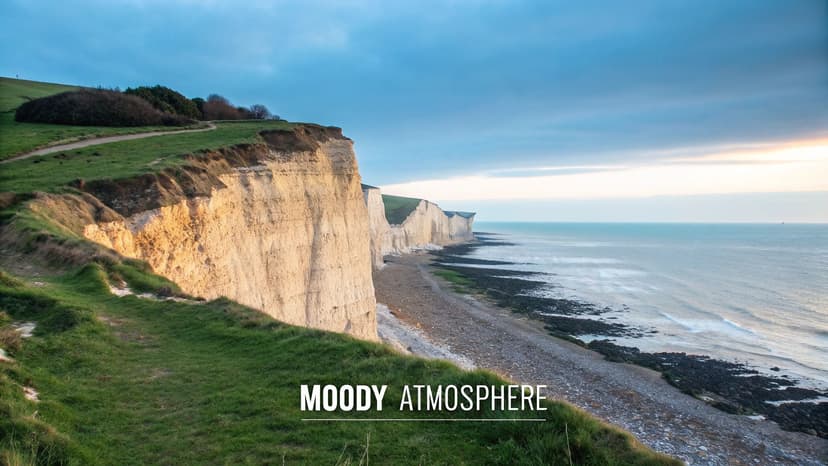
3. Photorealistic Imagery with Atmospheric Tone
Photorealistic imagery uses high-quality photography as the primary visual element to establish an immediate emotional connection. This approach leverages atmospheric lighting, selective focus, and powerful composition to tell a story before the reader even turns the page. It dominates genres like thriller, romance, and literary fiction by grounding the book's concept in a tangible, relatable visual. This method is considered among the best book cover designs of all time for its ability to create instant mood and intrigue.

This style has been cemented in modern publishing by the runaway success of authors like Colleen Hoover and is a staple for major publishers like HarperCollins and Penguin Random House. Its effectiveness lies in its power to convey complex emotions and themes through a single, evocative image.
Strategic Breakdown
The strength of this style is its emotional immediacy. A single, well-chosen photograph can communicate setting, conflict, and tone faster than any other visual element. Dark, moody cityscapes signal a thriller, while sun-drenched, intimate portraits hint at romance. The key is using imagery that feels authentic and sets a specific atmosphere, allowing readers to project themselves into the story's world. Typography is then carefully layered over the image, requiring strong contrast and placement to maintain readability without disrupting the photo's impact.
Key Insight: The goal isn't just to show a picture; it's to evoke a feeling. Color grading, depth of field, and the subject's gaze are all tools used to manipulate the reader's emotional response and build anticipation.
Actionable Takeaways for Indie Authors
For authors aiming to create a professional, genre-appropriate cover, this photographic approach is highly effective, especially with modern tools.
- Prioritize Image Quality: Invest in high-resolution stock photography or consider using an AI image generator to create a unique, custom photo that perfectly captures your book's mood.
- Ensure Typographic Contrast: Your title and author name must stand out against the background image. Use bold fonts, drop shadows, or place text in areas of the photo with less detail.
- Maintain a Consistent Mood: Apply a consistent color grade or filter to the image to enhance its atmospheric quality. This creates a more polished and professional final product.
- Test for Thumbnail Clarity: An intricate photo can become a meaningless blur at a small size. Ensure the core subject and mood of your image are clear even in a small thumbnail on digital storefronts.
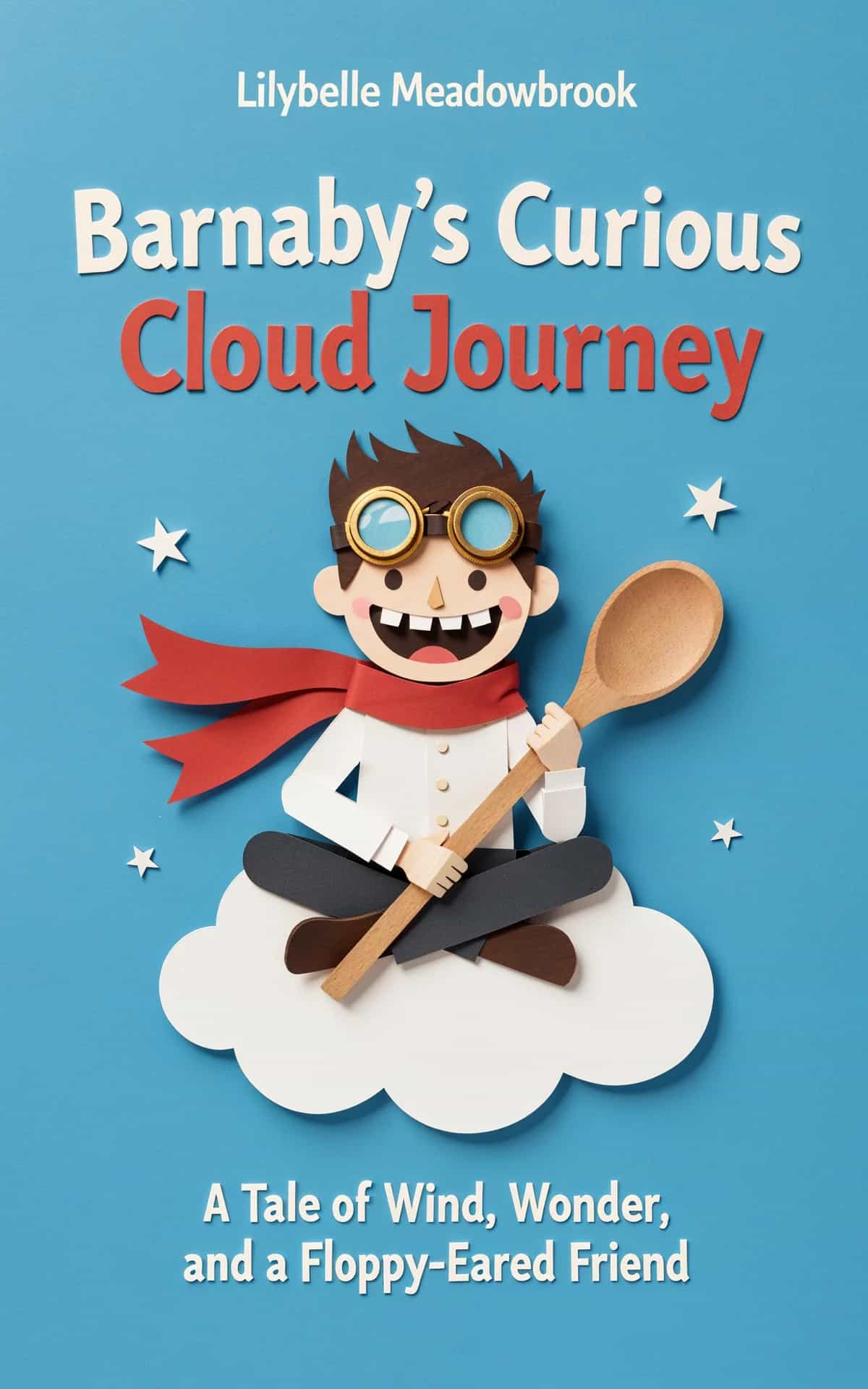
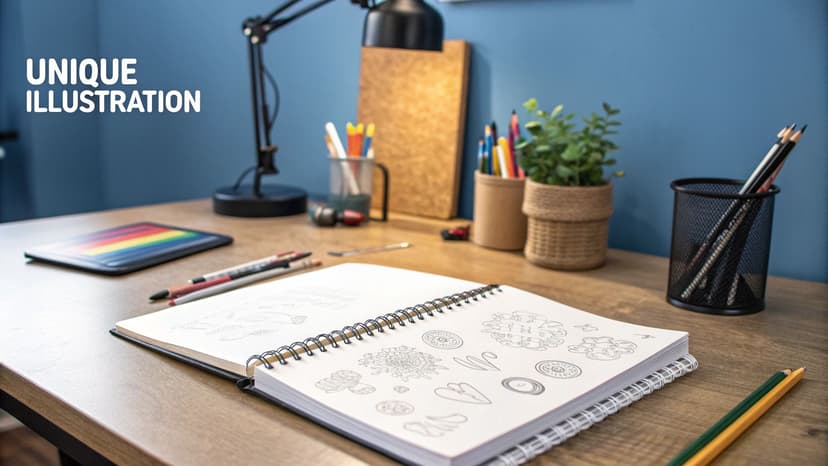
4. Illustrated Art with Unique Visual Style
Illustrated art with a unique visual style transforms a book cover into a bespoke piece of artwork, offering a visual experience that photography often cannot match. This approach uses hand-drawn or digitally created illustrations as the central element, ranging from whimsical children's book art to the epic fantasy scenes that define so many timeless fantasy cover designs. It signals a high degree of creativity and originality, promising a world within the pages that is just as imaginative as its cover. This custom-tailored aesthetic is why many consider it a contender for the best book covers of all time.
This style has been masterfully executed in collaborations like Brandon Sanderson’s fantasy novels with illustrator Michael Whelan and Neil Gaiman’s works with artists like Dave McKean. Their success demonstrates that a powerful illustration can define a series and become inseparable from the story itself, creating a powerful brand for the author.
Strategic Breakdown
The core strength of this style is its uniqueness and world-building potential. An illustration can depict scenes, creatures, and magic systems that are impossible to capture with a photograph, instantly immersing the reader in the book's specific universe. The chosen art style does significant work in setting the tone: a soft, watercolor style might suggest a heartwarming story, while sharp, dynamic line art could indicate an action-packed graphic novel or urban fantasy. This allows for a deep, immediate connection with the target audience.
Key Insight: A unique illustration moves a cover from a simple marketing tool to a collectible piece of art. It creates an emotional bond with readers and makes the physical book an object they want to own and display.
Actionable Takeaways for Indie Authors
For indie authors, custom illustration was once a costly barrier, but new tools and strategies have made it more accessible. It’s a powerful way to stand out in crowded genres like fantasy and children's literature.
- Match Style to Genre: Ensure the illustration style aligns with reader expectations. A dark, gritty fantasy novel needs a different artistic feel than a lighthearted children's picture book.
- Test for Clarity: An intricate illustration must still be clear and compelling at a small thumbnail size for online retailers like Amazon. Zoom out to check if key elements remain recognizable.
- Use AI for Concepting: An AI art generator can be an excellent starting point. Generate multiple concepts to refine your vision before commissioning a final piece from an artist.
- Explore Different Styles: To find the right fit for your story, it’s vital to understand the various approaches available. Dive deeper with our guide on book cover illustration.
5. Minimalist Single Object or Symbol Focus
This design philosophy centers the entire cover on a single, evocative object or symbol. Stripping away all other visual noise, this approach uses one potent image to represent the book's core theme, central conflict, or a key metaphor. It’s an intellectual and artistic choice that invites curiosity, asking the reader to ponder the symbol's significance before even reading the first page. This makes it a powerful contender for one of the best book cover designs of all time.
This method has been masterfully used for literary fiction titles like Margaret Atwood’s The Handmaid’s Tale, where the iconic red habit becomes a symbol of oppression and identity, or Yann Martel’s Life of Pi, where the tiger signifies survival and the wild. The design forces the object to carry the full narrative weight.
Strategic Breakdown
The power of this style lies in its symbolic resonance and memorability. A single, well-chosen object creates a clean, unforgettable brand for the book. It transforms the cover from a mere advertisement into a piece of art that sparks conversation and interpretation. The object itself becomes a visual shorthand for the entire story, making it instantly recognizable on a crowded shelf or in a digital store.
Key Insight: The success of this design hinges on selecting an object with layered meaning. The symbol shouldn't just represent one thing; it should evoke the book's complex emotions, themes, and central questions.
Actionable Takeaways for Indie Authors
For indie authors, this approach offers a way to create a high-concept, professional-looking cover without complex illustrations. It's about finding the one perfect image that tells your story.
- Choose a Potent Symbol: Brainstorm objects from your story that have deep thematic importance. What single item encapsulates the central conflict or character journey?
- Emphasize with Negative Space: Use ample white or negative space to make your chosen object the undeniable focal point. This creates a sense of importance and draws the eye.
- Test for Clarity: Your symbol must be immediately recognizable, even at a small thumbnail size for platforms like Amazon KDP. Ensure the details don't get lost when scaled down.
- Pair with Minimal Typography: The font should support the symbol, not compete with it. A clean, understated typeface works best. You can explore various approaches by looking at different literary fiction book cover examples to see how typography and symbols interact.
6. Gradient and Duotone Color Treatments
Gradient and duotone treatments use smooth color transitions or limited color palettes to create a modern, visually striking effect. This approach injects depth and energy into a cover without relying on complex imagery, making it a popular choice in genres like sci-fi, tech thrillers, and contemporary fiction. It’s a sophisticated technique that can make a cover feel both artistic and current, securing its place among the best book covers of all time.
This style has been heavily popularized by indie authors on platforms like Amazon KDP, who leverage its digital-friendly nature. The vibrant, clean aesthetic stands out in online marketplaces and resonates with modern design trends.
Strategic Breakdown
The power of gradients and duotones lies in their emotional impact through color. A smooth transition from a cool blue to a warm pink can signal a shift in tone from conflict to romance, while a stark two-tone image can create a sense of mystery or drama. This method simplifies the visual field, allowing high-contrast typography to pop, which ensures readability on both digital and print formats. It's an efficient way to establish a powerful mood with minimal elements.
Key Insight: This design choice is not just about aesthetics; it's about guiding the viewer's eye. The direction and flow of a gradient can strategically draw attention to the title or a key focal point on the cover.
Actionable Takeaways for Indie Authors
For authors aiming for a contemporary look, this style is highly effective and accessible. It offers a professional sheen without the need for intricate custom artwork.
- Pair with Bold Typography: Use a clean, high-contrast font that stands out against the color transitions. The simplicity of the background allows your title to be the hero.
- Study Genre Color Trends: Analyze the colors used in bestselling sci-fi book covers or your specific genre. Use trending palettes to signal to readers that your book fits their expectations.
- Test Gradient Variations: Don't settle on your first design. Use an AI cover tool to generate multiple gradient versions and test how each performs with your target audience.
- Consider Duotone for Photography: If you're using a stock photo, applying a duotone filter can transform a generic image into a unique and branded piece of art that aligns with your story's specific tone.
7. Retro and Vintage Aesthetic Revival
The retro and vintage aesthetic revival intentionally borrows design language from past decades, using specific typography, color palettes, and imagery to evoke a sense of nostalgia. This approach taps into collective cultural memory, creating an immediate emotional connection and contextual backdrop for the story. It suggests authenticity and can be a powerful tool for historical fiction, period-specific thrillers, or memoirs looking to ground their narrative in a particular era. This nostalgic charm is why it’s considered one of the best book cover designs of all time.
This trend has been masterfully executed in special editions of Stephen King's novels, which often feature 80s-inspired artwork, and by indie authors seeking to stand out with a distinct, throwback vibe. Penguin Books has also utilized this style in special classic revival series—a rich source of classic book cover examples—proving its enduring appeal.
Strategic Breakdown
The power of this style is its ability to transport the reader instantly. A cover with a 70s-style font and a sun-bleached color scheme doesn't just suggest the setting; it feels like an artifact from that time. The design choices are a form of world-building that begins before the first page is even opened. This aesthetic works best when the historical context is central to the plot or theme, creating a cohesive and immersive reader experience.
Key Insight: A successful retro cover is not a caricature; it's a careful curation of authentic design elements. It balances nostalgia with modern design principles to ensure the cover is both evocative and commercially effective.
Actionable Takeaways for Indie Authors
For authors whose stories are deeply rooted in a specific time, this style offers a unique way to attract the right audience. It promises a specific type of experience that can be highly compelling.
- Research Authenticity: Study real book covers, posters, and advertisements from your target decade. Pay attention to font choices, color combinations, and photographic styles.
- Balance with Modern Readability: While a vintage font is great for a title, ensure your author name and other text remain crisp and easy to read, especially in a digital thumbnail.
- Signal Genre Clearly: The retro design should enhance, not obscure, your book's genre. A grainy, high-contrast photo might signal a 70s thriller, while a pastel-colored, illustrated cover could point to a lighthearted 80s-set story.
- Use Modern Tools for Vintage Effects: You can experiment with vintage filters and typographic styles using an AI design tool to see how a retro aesthetic might work for your cover before committing to a final design.
8. Textured and Tactile Surface Design
Textured and tactile surface design transforms a book cover from a simple visual into a multisensory experience. This approach uses physical or digitally rendered textures, such as embossing, foil stamping, or special finishes, to add a sense of depth and materiality. It communicates quality and craftsmanship, inviting the reader to not just see the cover but to feel it. This premium touch is a powerful way to make a book stand out and is a hallmark of some of the best book covers of all time.
This design philosophy is often used by luxury publishers creating collector's editions and by indie authors looking to create a high-end special edition for their dedicated readers. It suggests the content within is a work of art, deserving of an equally artistic package.
Strategic Breakdown
The power of this style lies in its perceived value and memorability. A tactile cover feels more substantial and premium in a potential buyer's hands, which can justify a higher price point. For digital versions, a well-executed digital mockup that highlights these textures can create a similar perception of quality. Finishes like matte lamination, spot UV gloss, or foil stamping catch the light and draw the eye, making the cover dynamic and engaging both on a shelf and in online listings.
Key Insight: Tactile design is about creating an emotional connection. The physical sensation of a textured cover can create a stronger, more lasting impression than a purely visual one, making the book feel like a treasured object.
Actionable Takeaways for Indie Authors
While physical textures are a premium print option, indie authors can effectively plan for and simulate these effects for both print and digital editions.
- Plan for Print: If you intend to create a special edition, plan where textural elements like embossing or foil will go. Create your base design and a separate layer indicating these special finishes for your printer.
- Simulate for Digital: For your ebook cover, use high-resolution texture overlays and lighting effects to mimic the look of foil or embossing. This gives your digital storefront a premium feel.
- Reserve for Special Editions: This approach is most effective for limited runs, collector’s editions, or the first print run of a highly anticipated book to reward early buyers.
- Showcase in Marketing: Create 3D mockups that prominently feature the textural elements. Use video and animated GIFs in your marketing to show how light reflects off the foil or gloss, making the cover more appealing.
9. Type-Driven Experiential Layout with Custom Lettering
This advanced design approach elevates typography beyond communication into a core illustrative and narrative element. Custom lettering is crafted to form images, create optical illusions, or directly integrate thematic symbols into the title itself. This fusion of typography and illustration transforms the cover into an experiential piece of art, where the act of reading the title becomes part of the book's discovery. It’s a bold technique that often produces some of the best book covers of all time.
This style was heavily popularized by innovators like Chip Kidd, whose experimental work for authors like Haruki Murakami and Michael Crichton redefined what a book cover could be. Today, it's frequently seen in experimental fiction, contemporary poetry collections, and art books where the cover is an extension of the work's avant-garde nature.
Strategic Breakdown
The power of this layout is its unforgettable distinctiveness. A book with a type-driven experiential cover doesn't just sit on a shelf; it performs. The custom lettering becomes the book's visual identity, a unique fingerprint that cannot be easily replicated. This approach is highly effective for genres that reward intellectual or artistic engagement, signaling to the reader that the content within is equally creative and unconventional. The design challenges the reader, inviting them to look closer and decipher the visual puzzle.
Key Insight: This design isn't just about making letters look interesting; it's about embedding the book's central theme or conflict directly into its title. The typography is the story's first hook.
Actionable Takeaways for Indie Authors
While this style often requires a professional designer, indie authors can apply its principles to create a standout cover. It's about thinking of your title not just as text, but as a canvas.
- Prioritize Legibility: The biggest risk is sacrificing clarity for artistry. Ensure the title is still readable at a glance, especially at thumbnail size on digital storefronts. Test multiple variations.
- Integrate a Single, Powerful Element: You don't need to transform every letter. Try integrating one key symbol from your story into a single character of the title for a subtle yet impactful effect.
- Experiment with Arrangement: Use a design tool's text editor to play with the arrangement and orientation of letters. Can they form a shape or mimic an action from your plot?
- Commission Key Assets: Consider commissioning a designer for just the custom title lettering. You can then integrate this unique asset into a cover you assemble yourself, balancing budget with a high-impact result.
10. Cinematic and Visual Storytelling Composition
Cinematic composition treats a book cover not just as a static image, but as a single, powerful frame from a film. This approach uses techniques from cinematography like framing, lighting, and narrative sequencing to tell a compelling story at a glance. It creates immediate emotional impact and establishes a visual narrative, making it a highly effective style for thriller, mystery, and literary fiction genres. This method is often considered a hallmark of the best book covers of all time because it transforms a cover into a gateway to the book's emotional core.
This design philosophy is prevalent in the thriller genre, seen on the iconic thriller covers of authors like Michael Connelly, and is increasingly adopted by high-production indie authors and literary publishers who want to evoke a specific mood and sense of intrigue.
Strategic Breakdown
The power of cinematic design lies in its narrative depth and emotional resonance. By employing a leading line, a specific point of view, or dramatic lighting, the cover instantly poses a question in the reader's mind. The composition guides the eye, creating a sense of motion, tension, or isolation that mirrors the book's central themes. Typography is carefully integrated, often appearing as part of the scene itself, to avoid breaking the immersive visual experience.
Key Insight: A cinematic cover doesn't just show a character or a setting; it captures a pivotal moment. The goal is to make the viewer feel like they have stumbled upon a scene already in progress, sparking curiosity about what happened before and what will happen next.
Actionable Takeaways for Indie Authors
Authors can leverage this sophisticated style to give their books a professional, high-concept feel. It suggests a story with significant depth and a well-realized world.
- Study Cinematography: Analyze scenes from films in your genre. Pay attention to camera angles, the rule of thirds, and how light and shadow are used to create mood. Create a mood board to guide your design.
- Plan Typography Integration: Before finalizing the visual, consider where your title and author name will go. Will they be overlaid transparently or integrated into the environment, like text on a misty window?
- Test Narrative Clarity: Ensure your visual story is legible and intriguing even at thumbnail size. The core emotional hook must be immediately apparent in digital marketplaces.
- Use Advanced Tools: Experiment with framing and composition using an AI-powered cover tool. The transform and layering options allow you to precisely position elements to achieve a cinematic effect, much like a film director setting up a shot.
Comparison of Top 10 Book Cover Styles
| Style | Implementation Complexity 🔄 | Resource Requirements ⚡ | Expected Outcomes ⭐ | Ideal Use Cases 💡 | Key Advantages 📊 |
|---|---|---|---|---|---|
| Minimalist Typography‑Driven Design | Moderate — requires strong typographic skill and hierarchy control | Low — fonts and layout tools; cost‑effective | High ⭐⭐⭐ — timeless, readable, distinctive | Literary fiction, classics, essays, poetry | Memorable branding; scalable across formats |
| Bold Color Blocking with Geometric Shapes | Low–Moderate — composition and color theory focused | Low — quick to produce; many digital variations | High ⭐⭐⭐ — attention‑grabbing and thumbnail‑friendly | Contemporary romance, YA, mystery, sci‑fi | Immediate visibility; clear genre signaling |
| Photorealistic Imagery with Atmospheric Tone | High — professional photography, grading, type integration | High — pro shoots or licensed stock; editing resources | High ⭐⭐⭐ — strong emotional connection and trust | Romance, thriller, literary fiction, women's fiction | Authentic storytelling; proven sales driver |
| Illustrated Art with Unique Visual Style | High — artist collaboration and consistent style work | High — commissioning artists; longer timelines | High ⭐⭐⭐ — highly distinctive and brandable | Fantasy, children's, graphic novels, adult illustrated fiction | Unique visual identity; less likely to feel derivative |
| Minimalist Single Object or Symbol Focus | Moderate — concept clarity and symbolic design needed | Low–Moderate — object art/photography or simple illustration | High ⭐⭐⭐ — iconic, memorable, contemplative | Literary fiction, philosophy, psychological thrillers | Strong author/series branding; scalable |
| Gradient and Duotone Color Treatments | Low — technical application of gradients/duotones | Low — design tools and color testing | Moderate ⭐⭐ — modern, digital‑friendly aesthetics | Sci‑fi, tech thrillers, paranormal, new adult | Contemporary look; easy to reproduce and iterate |
| Retro and Vintage Aesthetic Revival | Moderate — research and authentic period execution | Moderate — era assets, possible licensing needs | Moderate ⭐⭐ — nostalgic resonance with targeted readers | Historical fiction, period thrillers, memoirs, noir | Distinctive nostalgia; appeals to specific demographics |
| Textured and Tactile Surface Design | High — coordination with specialty printing and finishes | Very High — embossing, foil, specialty presses; higher cost | High in print ⭐⭐⭐ — premium perception; collectible appeal | Luxury editions, art/photography books, limited releases | Tactile engagement; justifies premium pricing |
| Type‑Driven Experiential Layout with Custom Lettering | Very High — custom glyphs, integration, and legibility testing | High — expert typographer, longer development time | Very High ⭐⭐⭐ — utterly distinctive; can become iconic | Experimental fiction, poetry, art & design books | Multi‑layered meaning; highly shareable and brand‑defining |
| Cinematic and Visual Storytelling Composition | High — filmic composition, lighting, layered depth | High — advanced photography/illustration; post‑production | Very High ⭐⭐⭐ — immediate narrative engagement and impact | Thriller, mystery, literary fiction, suspense | Strong visual storytelling; professional, emotional pull |
Applying Timeless Principles to Your Next Book Cover
Journeying through these timeless book cover strategies reveals a powerful truth: a book cover is not mere decoration. It is the single most important marketing tool an author has. It’s a silent salesperson, a visual promise, and the first handshake with a potential reader. The iconic design approaches we've analyzed, from minimalist typographic masterpieces to cinematic, story-driven compositions, are all built on a foundation of strategic communication.
As an indie author, understanding and applying these principles is what separates a book that gets scrolled past from one that gets clicked. It’s the difference between blending in and standing out with purpose. The most successful covers are not accidents; they are the result of deliberate choices rooted in genre conventions, reader psychology, and powerful visual storytelling.
From Inspiration to Implementation: Your Action Plan
The lessons from these timeless covers are not just for art history books; they are practical, replicable strategies you can use today. The goal is to move beyond subjective preference ("I like this color") and into objective analysis ("This color palette signals a brooding, atmospheric tone that my target thriller readers expect").
Here’s a simple checklist to translate the insights from this article into a high-performing cover for your own book:
- Identify Your Genre's Visual Language: Before you do anything else, immerse yourself in the current bestsellers in your category. What typographic styles are common? What color palettes dominate? Are covers typically illustrative or photographic? Understanding these conventions is your baseline. A great place to start your research is by exploring curated collections of the bestselling covers in your exact category to identify current trends.
- Choose Your Core Design Principle: Reflect on the design approaches we've covered. Does your story’s core theme lend itself to a minimalist single-object focus? Or would a bold, illustrated style better capture its unique voice? Select one or two dominant principles to guide your design, ensuring they align with your genre's expectations.
- Prioritize Legibility and Composition: Remember that a powerful cover must work as a tiny, one-inch thumbnail on a digital storefront. This means your title must be instantly readable, and your central visual element must be clear and compelling. Use strong contrast and a clean composition to ensure your cover makes an impact at any size.
- Test, Iterate, and Refine: Never settle for your first idea. The digital age gives you an incredible advantage: the ability to test. Use an AI cover design tool to generate multiple variations of your core concept. Experiment with different fonts, color schemes, and layouts. To truly excel, exploring high-impact visual strategies from other creative fields can offer fresh, innovative approaches to capturing attention.
The Lasting Power of a Strategic Cover
Ultimately, creating a great book cover isn't about chasing fleeting trends or perfectly replicating a classic design. It's about distillation. It's about taking the complex, emotional, and intricate world you've built with your words and translating its essence into a single, compelling image.
The covers that endure do so because they forge an immediate emotional connection. They evoke curiosity, set a tone, and make a promise to the reader about the experience that awaits them inside. By applying these timeless principles of design and strategy, you are not just decorating your book; you are giving your story the powerful first impression it truly deserves. You are equipping it to find its audience and giving it the very best chance to succeed in a crowded marketplace.
Ready to Create Your Own Book Cover?
Turn your story into a visual masterpiece. Fill in the details below to start generating professional covers instantly.