12 Best Print-on-Demand Publishers for Indie Authors (2026)
The 12 best print on demand publishers for indie authors in 2026, compared: KDP for Amazon sales, IngramSpark for bookstores, plus 10 more matched to a goal.
Posted by
 Pablo Yáñez
Related reading
9 Best Book Marketing Tools for Indie Authors (2026)
Compare nine book marketing tools for indie authors, from market research and cover design to reader delivery, email, promotion, and ad tracking.
How to Build a Character Profile for Book Cover Design
Build a visual character profile that keeps cover art accurate and consistent. Define appearance, clothing, references, exclusions, and series continuity.
How to Repurpose One Book Cover for Print, Audio, and Ads
Turn one approved front cover into a print wrap, audiobook square, text-free artwork, mockups, ads, and social assets without rebuilding the design.
Ready to design your cover?
Use our AI book cover generator to create tailored book cover concepts in minutes.

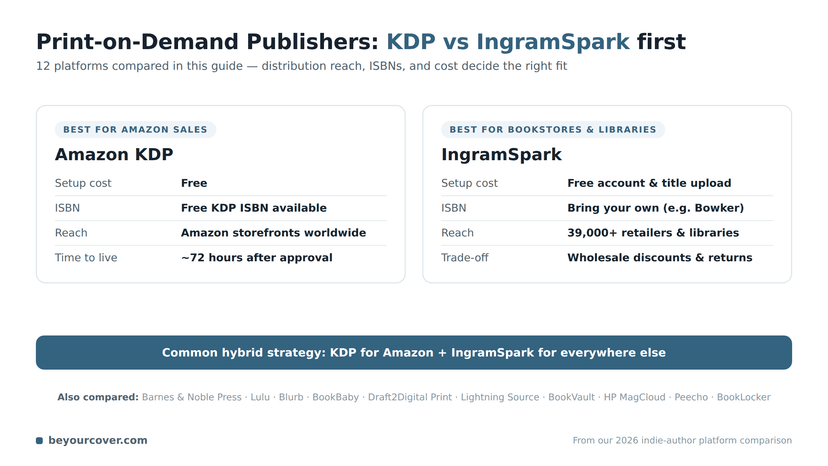
The 12 best print-on-demand publishers for indie authors in 2026 are Amazon KDP, IngramSpark, Barnes & Noble Press, Lulu, Blurb, BookBaby, Draft2Digital Print, Lightning Source, BookVault, HP MagCloud, Peecho, and BookLocker. For most authors the decision starts with just two: KDP for Amazon sales, IngramSpark for bookstores and libraries — and the rest fill specialist niches.
Print-on-demand (POD) removes the financial risk of traditional offset printing by printing each book only after a customer orders it — no upfront investment, no inventory. That accessibility is exactly why choosing between platforms matters: each one trades off distribution reach, print quality, royalty structure, and ease of use differently. This guide is built to answer those questions.
We'll break down the top platforms, evaluating them on the criteria that matter most to indie authors: distribution reach, print quality, royalty structures, and overall ease of use. This will give you a clear framework to help you decide which service best aligns with your specific publishing goals. Whether your priority is maximizing Amazon sales, placing your book in physical bookstores, or creating a niche, high-quality product, you'll find the practical insights needed here. Preparing your files, like a sci-fi book cover design, for each platform's unique specifications is a crucial step. It's also worth noting that many authors use AI tools to generate and test different cover concepts before finalizing a design, helping them make more informed decisions.
1. Amazon Kindle Direct Publishing (KDP)
Amazon Kindle Direct Publishing (KDP) is the undisputed giant in the self-publishing world, offering an integrated platform for authors to publish and sell print-on-demand paperbacks and hardcovers directly on the world's largest online marketplace. Its primary strength lies in its seamless connection to the Amazon retail ecosystem, making it the default starting point for many indie authors. For those new to the process, KDP provides a streamlined, fee-free setup that simplifies one of the most complex parts of publishing.
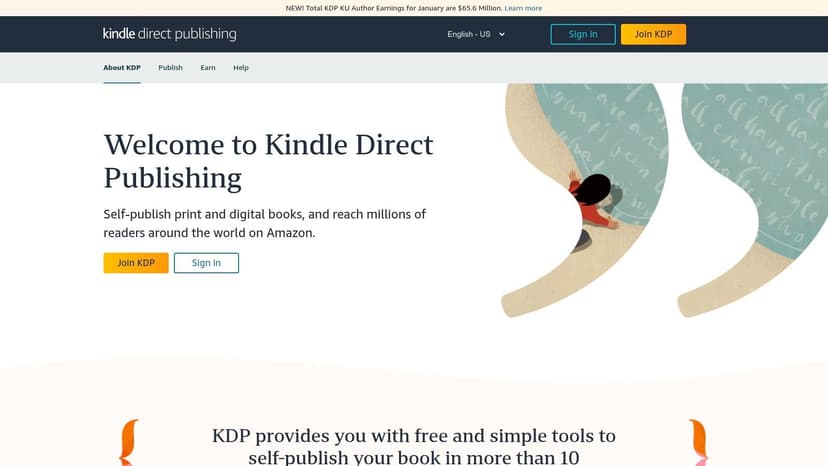
The platform’s user interface is straightforward, guiding you through manuscript and cover uploads, metadata entry, and pricing. The built-in Printing Cost & Royalty Calculator is a transparent tool for estimating your earnings per sale, which is crucial for setting a viable retail price. KDP stands out among print on demand publishers for its speed; once approved, your book typically appears on Amazon storefronts within 72 hours.
Key Considerations & Decision Criteria
- Best For: Authors prioritizing maximum visibility and sales potential on Amazon. It is the ideal platform for those who want a simple, no-cost entry into print publishing and direct access to Amazon's vast customer base.
- ISBNs: You can use a free KDP-assigned ISBN, but it can only be used on their platform. For wider distribution, you should provide your own ISBN.
- Distribution Pitfall: While KDP offers "Expanded Distribution" to reach other retailers, the royalty rates are less favorable, and many brick-and-mortar stores are hesitant to stock Amazon-printed books. For this reason, many authors use KDP exclusively for Amazon and another service for wider distribution.
Website: https://kdp.amazon.com
2. IngramSpark
IngramSpark is the premier print-on-demand service for authors and publishers aiming for extensive global distribution beyond a single online retailer. Its core strength is leveraging the Ingram Content Group's massive wholesale network, which connects your book to over 39,000 retailers, libraries, and online stores. This makes it the go-to platform for achieving the kind of widespread availability necessary for brick-and-mortar bookstore placement and library orders, positioning it as a professional-grade tool among print on demand publishers.
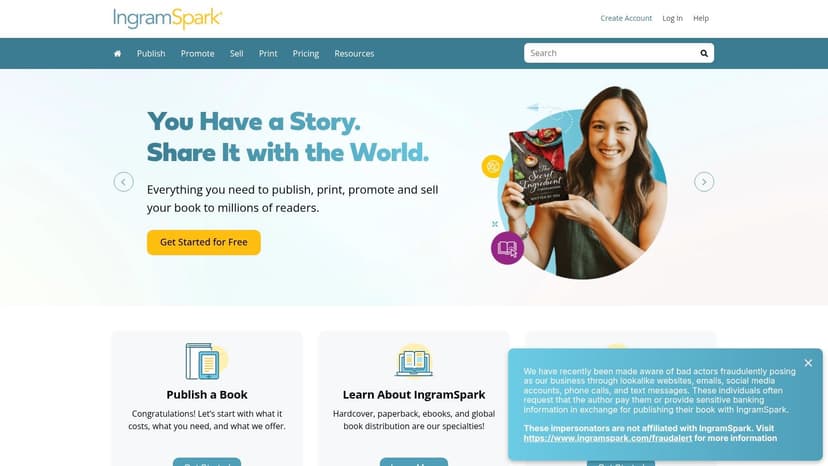
Unlike KDP, IngramSpark is designed with the book trade in mind, requiring authors to understand concepts like wholesale discounts and returnability. The platform offers helpful tools like Print & Ship and Compensation calculators to model your earnings, which is a crucial step given the different pricing dynamics. Though there is a steeper learning curve, its non-exclusive nature allows authors to use it alongside other services, creating a powerful "hybrid" distribution strategy. While setup used to involve fees, IngramSpark now offers a no-cost account and title upload, significantly lowering the barrier to entry.
Key Considerations & Decision Criteria
- Best For: Authors and small presses prioritizing global wholesale distribution to reach physical bookstores and libraries. It is the ideal choice for creating a professional presence in the broader book market.
- ISBNs: You must provide your own ISBN purchased from your country's official ISBN agency (like Bowker). A free ISBN is not offered, reinforcing its position as a trade-focused service.
- Distribution Pitfall: To be attractive to bookstores, you typically need to offer a competitive wholesale discount (e.g., 55%) and make your book returnable, which can impact your royalties and potentially lead to costs if books are returned.
Website: https://www.ingramspark.com
3. Barnes & Noble Press
Barnes & Noble Press offers authors a direct-to-retailer print-on-demand solution, allowing them to publish and sell paperbacks and hardcovers on BN.com. Its main appeal is providing a dedicated channel to the Barnes & Noble online ecosystem, a trusted name in book retail. The platform is free to use and presents a straightforward path for authors who want to ensure their print books are available from a major U.S. bookseller without going through a third-party aggregator.
The user experience is clean, guiding authors through the setup process with clear instructions for manuscript uploads and cover specifications. A standout feature is the platform's transparent royalty calculator, which makes it easy to understand your earnings potential. Authors receive a flat 55% of the list price minus the printing cost, which is a simple and predictable model. The service supports both case laminate and dust jacket hardcovers, giving authors quality format choices. You can explore the pros and cons of these options in our guide to hardcover vs. paperback books.
Key Considerations & Decision Criteria
- Best For: Authors who want to guarantee their book is sold directly on BN.com. It is an excellent complement to KDP for authors seeking to diversify their online retail presence beyond Amazon.
- ISBNs: You must provide your own ISBN to publish through Barnes & Noble Press; they do not offer a free one. This gives you full ownership and portability of your book's identifier.
- Distribution Pitfall: This platform distributes only to the Barnes & Noble online store (BN.com) and does not include in-store placement. Titles are not returnable, which is a major barrier for brick-and-mortar stocking.
Website: https://press.barnesandnoble.com
4. Lulu
Lulu has carved out a distinct niche among print on demand publishers by offering a highly flexible platform that caters to a wide variety of creative projects beyond standard novels. It’s particularly well-suited for creators looking to produce high-quality photo books, full-color comics, magazines, and calendars, in addition to traditional trade paperbacks and hardcovers. Lulu’s main appeal is its versatility and its focus on empowering creators to sell directly to their audience, thereby retaining a larger portion of their revenue.
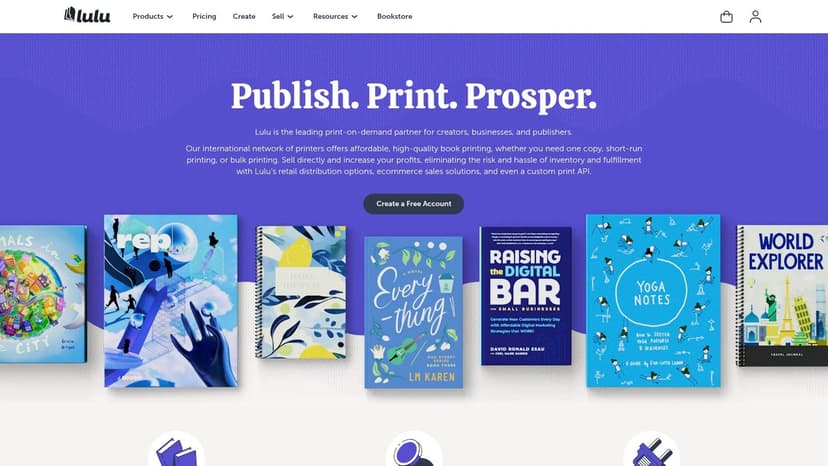
The platform offers two primary models: selling through the Lulu Bookstore or using Lulu Direct to integrate with your own Shopify or WooCommerce site. The latter is a powerful feature for authors with an established brand who want to control the customer experience and earn higher margins. Lulu’s robust pricing calculator is transparent, breaking down the print cost, Lulu’s cut, and your net profit, which helps you price your products effectively. They also offer volume discounts, making it a viable option for authors who need to order bulk copies for events or direct sales.
Key Considerations & Decision Criteria
- Best For: Authors and creators who require diverse print formats (like coil-bound or full-color magazines) and those who want to sell directly to their audience through their own website for maximum profit.
- ISBNs: You can use a free Lulu ISBN for distribution through their network, or you can provide your own to maintain full control and portability.
- Distribution Pitfall: While Lulu offers global distribution to channels like Amazon and Barnes & Noble, its reach is not as extensive as IngramSpark's. Distribution royalties through other retailers can be less competitive after fulfillment and shipping costs are factored in.
Website: https://www.lulu.com
5. Blurb
Blurb distinguishes itself among print on demand publishers by specializing in visually-driven, high-quality books. It is the go-to platform for creators of photo books, art portfolios, magazines, and other projects where image fidelity and paper quality are paramount. While it also offers standard trade paperbacks and hardcovers, its primary strength lies in its extensive customization options for image-heavy content, making it a favorite for photographers, designers, and artists.
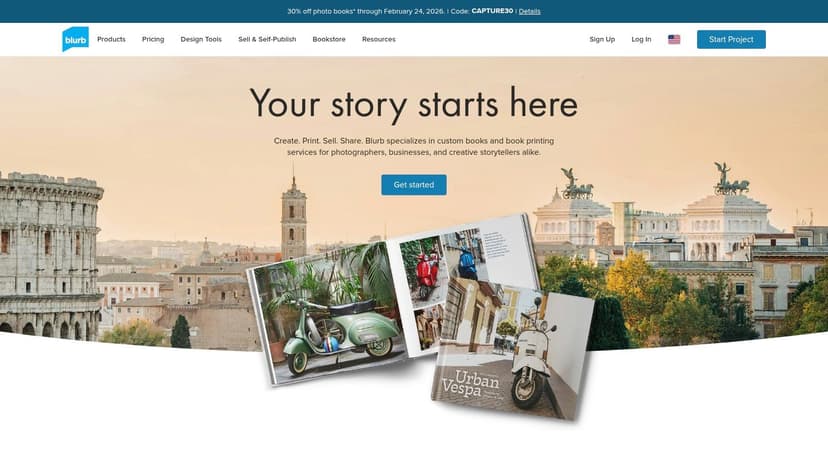
The platform provides intuitive, visual-first creation tools, including its free BookWright software and a plug-in for Adobe InDesign, which simplifies the layout process for complex designs. Blurb's pricing is transparent, with clear starting costs and volume discounts available directly on its site. This allows creators to accurately budget for projects, from a single portfolio piece to a larger print run for sale. For authors with a strong visual component, like a non-fiction book with many diagrams or a fantasy novel with illustrations, Blurb offers a premium alternative.
Key Considerations & Decision Criteria
- Best For: Photographers, artists, and authors creating image-heavy books like photo books, cookbooks, portfolios, or graphic novels who need superior print and paper options, including layflat binding.
- ISBNs: You can purchase an ISBN directly from Blurb or provide your own. A free Blurb-branded ISBN is also available but is not recommended for wider distribution.
- Distribution Pitfall: Blurb offers its own online bookstore and a "Sell on Amazon" program, but its global retail distribution is not as extensive or as seamlessly integrated as services like IngramSpark. Its premium production costs can also lead to higher retail prices, making it more suitable for direct-to-fan sales or niche markets.
Website: https://www.blurb.com
6. BookBaby (POD)
BookBaby positions itself as a full-service partner for authors, and its Print On Demand (POD) program is designed for those who want a more curated and hands-off publishing experience. Unlike platforms that are purely transactional, BookBaby bundles its POD services into packages that require an upfront fee, focusing on authors who prioritize quality and are willing to invest in professional setup. This model is built around selling directly to readers through the dedicated BookBaby Bookshop, which offers higher royalty rates than traditional retail channels.
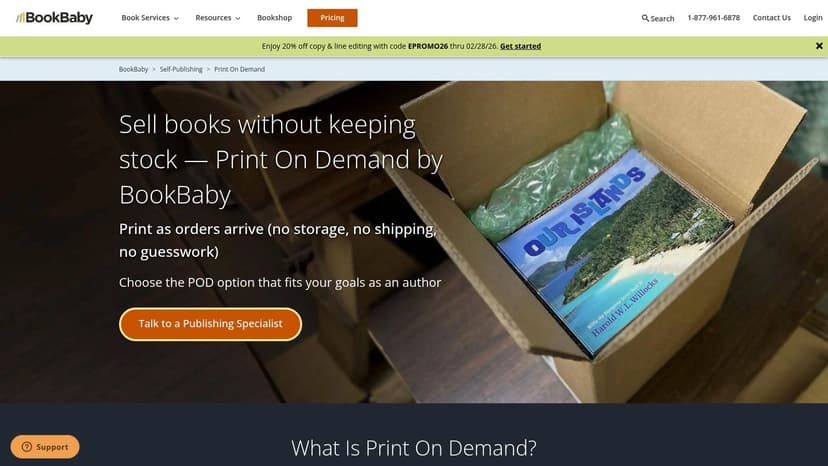
The platform’s key differentiator among print on demand publishers is its direct-sales toolkit. When you sell through the BookBaby Bookshop, you gain access to built-in marketing features like coupon creation, email capture, and sales analytics, giving you more control over your customer relationships. For those seeking broader reach, an optional package includes distribution to Amazon. This hybrid approach allows authors to maximize earnings from their core audience while still tapping into the world’s largest bookstore.
Key Considerations & Decision Criteria
- Best For: Authors with an established audience who want to maximize direct-sale profits and utilize built-in marketing tools. It's also ideal for those seeking comprehensive, all-in-one packages that include services like editing and cover design.
- ISBNs: BookBaby provides a free ISBN with its packages, which is necessary for retail distribution. Authors can also supply their own.
- Distribution Pitfall: The standard POD program focuses on the BookBaby Bookshop. Expanded distribution to retailers like Amazon is available as an add-on, but comprehensive wholesale distribution to the Ingram network is not part of the standard POD offering and comes with their separate book printing services.
Website: https://www.bookbaby.com/self-publishing/print-on-demand
7. Draft2Digital Print
Draft2Digital Print is a logical and convenient next step for authors already using the platform for its renowned ebook aggregation and distribution services. It aims to simplify the print-on-demand process by integrating it directly into the existing D2D workflow, offering a unified dashboard for managing both ebook and print editions. The service is built on a no-cost-to-start model, making it an attractive, low-risk option for authors who want to create a print version of their book without any upfront fees.
One of Draft2Digital's standout features is its automated formatting tools. Authors can upload a simple Word document, and the system will generate a professional-looking interior layout, complete with title pages and chapter headings, saving significant time and technical effort. This focus on ease of use makes D2D Print one of the most accessible print on demand publishers for those less technically inclined or authors who want to move from digital to print as quickly as possible.
Key Considerations & Decision Criteria
- Best For: Authors already using Draft2Digital for ebook distribution who want a single, streamlined dashboard to manage both formats. It is also excellent for writers seeking a simple, automated, and cost-free entry into the print market.
- ISBNs: D2D provides a free ISBN for authors to use across its print distribution network, or you can supply your own. Using their free ISBN lists "D2D" as the publisher of record.
- Distribution Pitfall: D2D Print utilizes a network of print partners for its global distribution. While effective, it may offer less direct control over wholesale pricing and retail channels compared to a platform like IngramSpark, making it better suited for authors prioritizing simplicity over granular distribution management.
Website: https://www.draft2digital.com
8. Lightning Source (Ingram Content Group)
Lightning Source is the enterprise-grade engine behind the world's largest book distributor, Ingram Content Group. Unlike platforms geared toward individual authors, Lightning Source is built for established publishers, small presses, and authors with large catalogs who require industrial-strength print on demand services. Its core value is its direct integration into Ingram’s global wholesale network, providing unparalleled reach into bookstores, libraries, and online retailers worldwide.
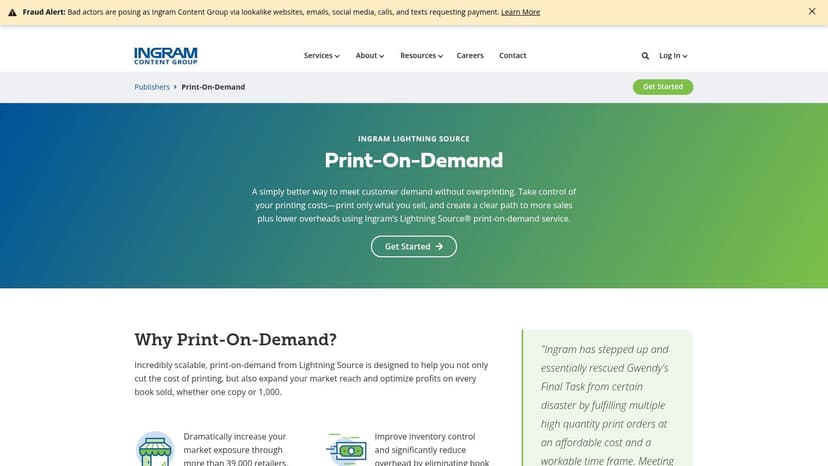
This platform is not for the first-time author. It involves setup and market access fees per title and has a more complex onboarding process designed for business-to-business transactions. In return, publishers gain access to robust tooling for billing, bulk ordering, and supply-chain management that other print on demand publishers simply do not offer. The system is designed for high-volume operations, offering direct distribution options to fulfill orders placed directly with the publisher, making it a powerful back-end solution.
Key Considerations & Decision Criteria
- Best For: Established publishers, small presses, and high-volume self-publishers who need direct access to Ingram's vast wholesale distribution network and require sophisticated supply-chain tools.
- ISBNs: You must provide your own ISBNs, as Lightning Source operates as a printer and distributor, not a publisher. This is a fundamental requirement of their model.
- Distribution Pitfall: The complexity and per-title fees make it cost-prohibitive and overly complicated for a single-book author. It's built for scale, not for simplicity.
Website: https://www.ingramcontent.com/publishers/print-on-demand
9. BookVault
BookVault is a UK-based print-on-demand publisher that has carved out a niche by offering high-end, custom finishing options for single-copy orders. This makes it an invaluable resource for authors and small presses looking to create premium special editions, signed copies for their direct-to-reader stores, or unique Kickstarter rewards. Its standout feature is the accessibility of finishes like foiling, sprayed edges, and custom endpapers, which are typically reserved for large, traditional print runs.
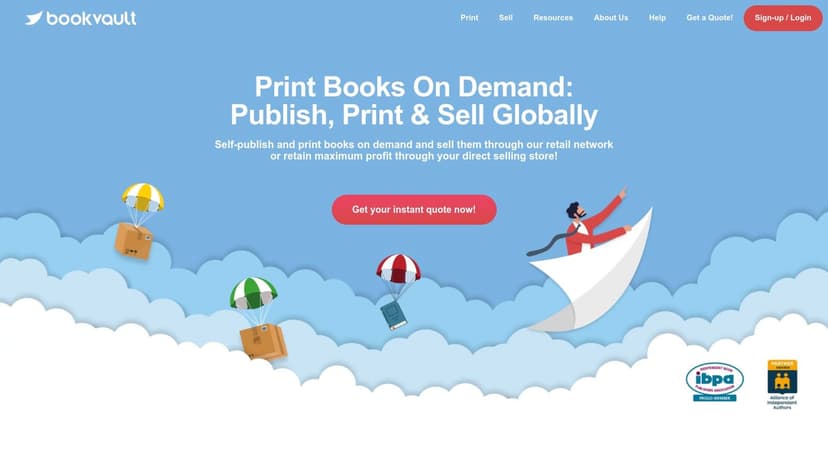
The platform operates on a transparent model with a per-title activation fee and a clear quoting tool, allowing you to see the exact cost before committing. They also offer indie-friendly policies like free file replacements and occasional discount codes for uploads. While its primary facilities are in the UK, BookVault provides US and international shipping options, making it a viable partner for authors worldwide who prioritize unique print quality over mass distribution. This focus on premium quality means your romance book covers or fantasy designs can truly shine with added tactile elements.
Key Considerations & Decision Criteria
- Best For: Authors creating limited special editions, Kickstarter fulfillment, or selling premium-priced paperbacks and hardcovers directly from their own website. It’s ideal for those who need special finishes on small or single-copy orders.
- Pricing & Fees: A one-time activation fee is charged per title, but pricing for printing and special finishes is transparent and quoted upfront.
- Distribution Pitfall: BookVault is not a wide distribution platform like IngramSpark. It is primarily designed for direct sales, author copies, and specific fulfillment needs rather than pushing titles into the global retail channel.
- Shipping: As a UK-based company, shipping times and costs to other countries, particularly the US, can be higher than domestic alternatives. It's crucial to verify shipping service options and tracking for international orders.
Website: https://bookvault.app
10. HP MagCloud
HP MagCloud carves out a unique niche among print on demand publishers by focusing specifically on high-quality, magazine-style publications. It is an ideal solution for creators producing serial content like zines, literary journals, catalogs, or professional lookbooks, where traditional book formats fall short. The platform moves away from the standard paperback model to offer a service tailored to periodical-style printing, complete with options for different binding types like saddle-stitch or perfect bound.
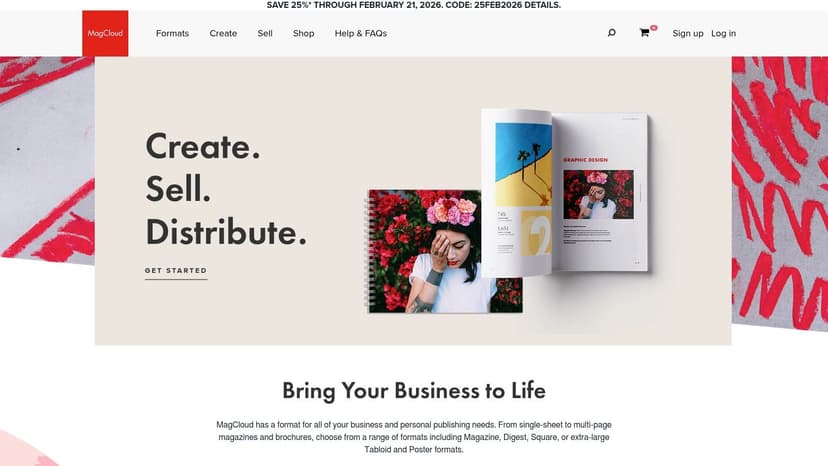
MagCloud’s strength is its transparent pricing and production process. It offers a clear, per-page cost structure and provides detailed PDF specifications to ensure your files are optimized for a professional magazine finish. The platform also includes a built-in storefront where creators can sell both print and digital versions of their publications directly to their audience. This integrated approach simplifies monetization for creators who have an established readership and want to offer a premium physical product without holding inventory.
Key Considerations & Decision Criteria
- Best For: Independent magazine creators, zine publishers, photographers, and businesses needing high-quality catalogs or portfolios. It is perfectly suited for projects that benefit from a magazine layout and finish rather than a standard book format.
- ISBNs: As a publication-focused platform, ISBNs are not a standard part of the MagCloud process. It is not designed for traditional book distribution channels.
- Distribution Pitfall: Sales are primarily handled through the MagCloud storefront or by ordering copies for direct sale. The service is not built to connect with major book retailers like Amazon or Barnes & Noble, making it a poor choice for authors seeking wide distribution.
Website: https://www.magcloud.com
11. Peecho
Peecho offers a unique global print-on-demand solution primarily aimed at creators of visual content like magazines, photo books, and wall art. Instead of acting as a retail storefront, it functions as a powerful print backend, utilizing a distributed network of printers to produce orders closer to the end customer. This model is designed to reduce shipping costs and delivery times for a worldwide audience, making it a strong choice for creators who want to sell directly from their own websites.
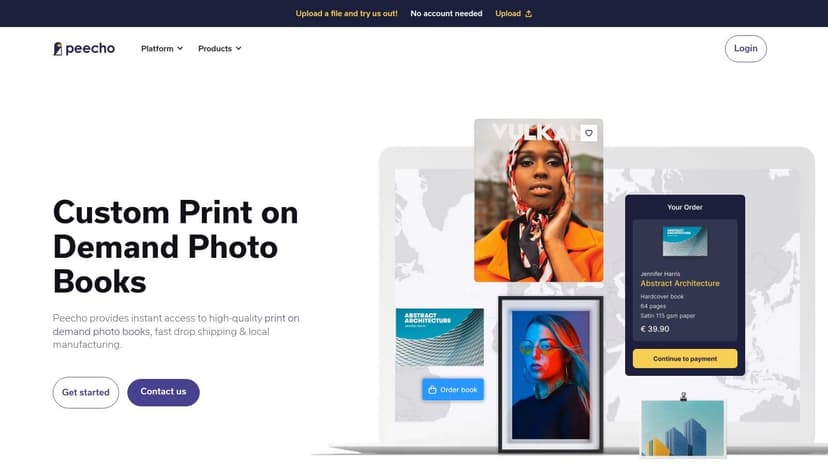
The platform is free to set up, and you add your desired profit margin on top of their base production cost. Peecho’s standout feature is its simplicity for direct sales integration. It provides an embeddable checkout button, allowing creators to easily monetize their digital publications without managing inventory, payments, or fulfillment. This makes it one of the more versatile print on demand publishers for those with an existing online presence.
Key Considerations & Decision Criteria
- Best For: Independent magazine publishers, photographers, and visual artists who want to sell high-quality print products directly to an international audience from their own website or blog.
- Pricing & Currency: Base prices are often displayed in euros, which can be a consideration for US-based sellers due to currency conversion and potential shipping costs. You'll need to factor this into your final retail price.
- Distribution Pitfall: Peecho is not a traditional book distribution channel that places your work on sites like Amazon or Barnes & Noble. Its strength lies in facilitating direct-to-consumer sales, not in broad retail placement.
Website: https://www.peecho.com
12. BookLocker
BookLocker positions itself as a writer-friendly alternative to vanity presses, offering print-on-demand publishing services with a strong emphasis on author rights and transparency. It operates on a hybrid model, providing both a la carte services and comprehensive packages that bundle editing, design, and distribution. Its key differentiator is a clear policy ensuring authors retain full ownership of their production files (like the cover and interior PDFs), a critical detail often buried in the terms of other full-service providers.
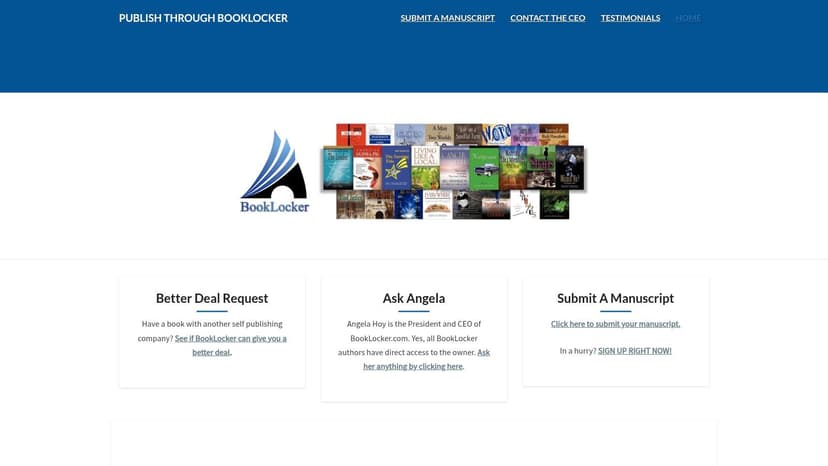
Unlike purely do-it-yourself platforms, BookLocker requires an upfront investment for its packages, which cover setup and the first year of file hosting. After the initial year, a small annual fee is required to keep the book active in their system. This model is designed for authors who want professional assistance and distribution management without ceding control or getting locked into an opaque royalty structure, making it a unique option among print on demand publishers.
Key Considerations & Decision Criteria
- Best For: Budget-conscious authors seeking a guided publishing experience with transparent costs and policies, who prefer to pay for services upfront rather than navigating a complex self-serve platform.
- ISBNs: BookLocker provides an ISBN as part of its publishing packages, which is standard for this type of service-oriented publisher.
- Distribution Pitfall: The platform offers distribution through major online retailers like Amazon and Barnes & Noble, as well as to wholesalers like Ingram. However, its brand recognition and distribution footprint are smaller than industry giants like KDP or IngramSpark.
Website: https://publishing.booklocker.com
How to Choose the Right Print on Demand Publisher for You
Selecting the best partner requires you to be clear about your primary goals as an author. Are you trying to maximize your income on Amazon, or is getting your book into local bookstores the dream? Here is a simple decision matrix to guide you.
| If your primary goal is... | ...Then your best choice is likely: | Because... |
|---|---|---|
| Maximum Amazon sales | Amazon KDP | It offers the best royalty rates on Amazon and is seamlessly integrated. |
| Getting into bookstores & libraries | IngramSpark | It has the widest wholesale distribution network. |
| Selling directly to your audience | Lulu or BookBaby | They offer dedicated storefronts and tools to maximize your direct-sale profits. |
| Creating a high-quality visual book | Blurb or BookVault | They specialize in premium paper, color printing, and special finishes. |
| Simplicity and a single dashboard | Draft2Digital Print | It combines ebook and print management into one easy-to-use platform. |
Many successful authors don't choose just one. A common and highly effective strategy is to use KDP for Amazon sales (maximizing royalties there) and IngramSpark for expanded distribution, ensuring your book is available everywhere else. This hybrid approach captures the best of both worlds.
Your Pre-Launch Checklist
Before you hit "publish" on any platform, ensure your assets are professional and correctly formatted. This preparation prevents frustrating delays and costly revisions.
-
Finalize Your Interior: Your manuscript should be professionally edited and formatted into a print-ready PDF. Pay close attention to margins, gutters, fonts, and image resolution to avoid printing errors.
-
Perfect Your Cover: Your book cover is your most crucial marketing tool. It must be high-resolution (300 DPI), correctly sized for your trim and spine width, and saved in the required file format (usually PDF). It needs to communicate genre and tone instantly, whether you're publishing a high-stakes sci-fi book cover or a heartfelt memoir. If you do not have a designer lined up, starting from a book cover template built for your genre gets you to that standard far faster than a blank canvas. A great cover signals quality and professionalism.
Do not treat the ebook cover, print cover, and audiobook cover as one interchangeable image. Your Kindle file is a front-cover-only JPEG, your POD paperback or hardcover needs a full wrap with front, spine, back, bleed, and a safe barcode area, and your audiobook cover needs a square layout. If you use a tool like BeYourCover, generate the front cover first, then create the full-wrap PDF only after your formatted interior page count is final. For launch campaigns, export social mockups or ad images as separate assets so you are not cropping the retail cover into awkward shapes later.
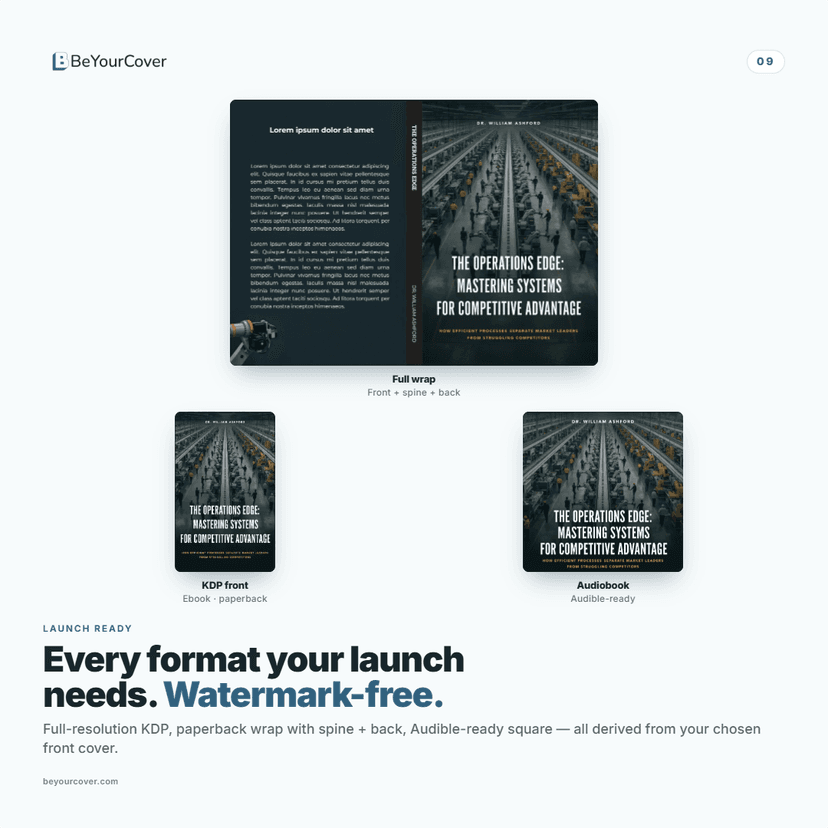
If you already have a finished front cover from another designer or tool, you do not need to recreate it from scratch. Upload the external cover into BeYourCover and transform it into a full wrap cover in seconds, then review the spine, back-cover text, bleed, and barcode-safe area before export.
Before uploading to KDP, IngramSpark, Lulu, or any other POD platform, inspect the platform previewer for spine alignment, trimmed text, barcode overlap, and low-resolution warnings. This final proof is especially important if you publish through more than one service, because each printer may have its own cover template and upload checks.
-
Secure Your ISBN: Decide if you will use a free ISBN from a platform like KDP or purchase your own. Owning your ISBN lists you as the publisher of record and provides maximum flexibility if you decide to switch printers in the future.
-
Gather Your Metadata: Compile your book title, subtitle, author name, book description (blurb), keywords, and categories. Having this ready makes the upload process smooth and ensures your book is discoverable.
Print-on-Demand FAQs
What Is the Best Print-on-Demand Publisher for Indie Authors?
Amazon KDP is the best starting point for most indie authors: free setup and direct access to Amazon's marketplace, where the majority of self-published sales happen. If you also want bookstores and libraries, IngramSpark's 39,000+ retailer wholesale network is the standard companion platform.
Is KDP or IngramSpark Better?
They solve different problems. KDP wins for Amazon sales — better royalties there, and your book is live in about 72 hours. IngramSpark wins for wholesale distribution to physical bookstores and libraries. Many authors run both: KDP for Amazon, IngramSpark for everywhere else.
How Much Does Print-on-Demand Publishing Cost?
KDP and IngramSpark are both free to set up. Printing costs are deducted from each sale, so there's no upfront print run to finance. Optional costs include buying your own ISBN, professional editing, and cover design.
Do I Need My Own ISBN for Print-on-Demand?
KDP offers a free ISBN that only works on its platform. IngramSpark requires you to bring your own (from Bowker in the US). Owning your ISBN lists you as the publisher of record and keeps you free to move between printers later.
Can I Use Both KDP and IngramSpark for the Same Book?
Yes. Print-on-demand on both platforms is non-exclusive, and the KDP-plus-IngramSpark hybrid is the most common wide-distribution strategy. Use your own ISBN so the edition stays consistent across platforms.
Final Thoughts on Your Publishing Path
Choosing from the top print on demand publishers is a foundational step in building a sustainable author business. Your book is a product, and how it is manufactured and delivered directly impacts the reader's perception of your brand. Beyond the selection of the right platform, understanding how to improve ecommerce customer experience is vital for the long-term success of your self-published books, encompassing everything from user-friendly ordering to efficient delivery.
The power of print on demand is that it removes traditional barriers, allowing you to bring your stories to the world with minimal upfront investment. Take your time, weigh the options against your specific goals, and invest in quality production. The path you choose today will shape your author journey for years to come. You've written the book; now it's time to choose the best way to share it.
Relevant Free Tools
Keep going with the right generator
These tools match the topic of this article and give readers a direct next step.
Publishing Tool
KDP Cover Size Calculator
Free interactive calculator for exact KDP spine width and cover dimensions, with a downloadable blank template.
Open tool
Publishing Tool
KDP Cover Creator
Upload your front cover and build the full KDP print wrap — spine, back cover, exact bleed — then download a print-ready 300 DPI PDF. No sign-up, no watermark.
Open tool
Ready to Create Your Own Book Cover?
Turn your story into a visual masterpiece. Fill in the details below to start generating professional covers instantly.