Vintage Book Cover Ideas
A vintage book cover promises a story with history — something pulled from a secondhand shelf, sun-faded at the spine, printed before everything went glossy. That patina is the whole point: foxed and yellowed paper, slightly-off registration, and ink that has clearly lived through a few decades. Whether you are reissuing a public-domain classic or giving a new title the feel of a mid-century pulp paperback, the vintage look trades on nostalgia and the quiet authority of age.
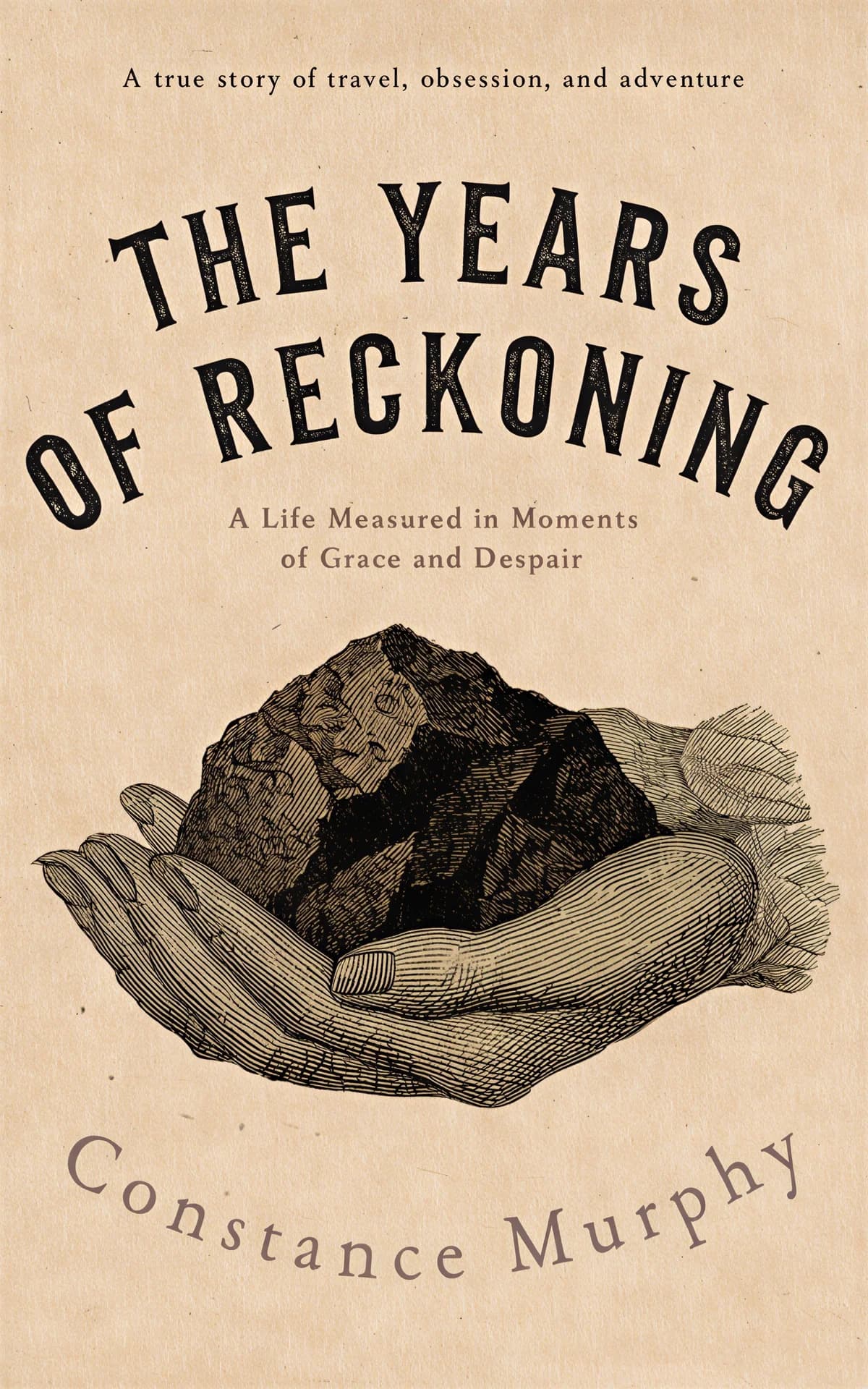
The palette stays warm and dimmed — antique cream (#F3E4C8), faded russet (#8B5E34), and aged-brown ink (#4A2F24) rather than pure black or white. Typography is where the era lives: serif and display faces like Playfair Display, Cormorant Garamond, EB Garamond, and Cinzel set with generous letterspacing, often inside a hand-drawn rule or cartouche. Hand-set ornament, engraved illustration, halftone dots, and a flat printed feel carry the composition. What breaks the spell is anything that reads as 2020s software — crisp gradients, neon, drop-shadows, or a clean sans-serif that no letterpress ever produced.
Then apply the thumbnail test. Shrunk to a marketplace grid, a vintage cover should still telegraph its era through warm tone, distressed texture, and a confident title — not dissolve into muddy beige. Treat the prompts below as a darkroom: start with one vintage book cover idea and reprint it until the wear looks earned rather than filtered.
Vintage Book Cover Examples
Ready-Made Vintage Covers for Sale
Browse all premade covers →Don't want to generate one? These vintage covers are finished and ready — put your own title and author on any of them and download it KDP-ready. Each is sold exactly once, then removed from sale forever.



What Makes a Great Vintage Book Cover
Key Elements
- Aged paper stock with foxing, yellowing, and subtle grain — antique cream (#F3E4C8) rather than pure white
- Warm, dimmed palette of faded russet (#8B5E34) and aged-brown ink (#4A2F24), never high-saturation color
- Letterpress-era serifs and display faces — Playfair Display, Cormorant Garamond, EB Garamond, Cinzel — with wide letterspacing
- Hand-drawn rules, cartouches, or a decorative border framing the title block
- Engraved illustration, woodcut, or halftone-dot imagery with a flat, printed feel
- Slightly imperfect registration and ink texture, evoking pulp paperback or public-domain reprints
What to Avoid
- Pristine, perfectly-clean paper with no foxing, grain, or wear
- Crisp digital gradients, neon, or glossy drop-shadows that betray the era
- Modern geometric sans-serifs no period press would have set
- Overcooked sepia filters that turn the whole cover muddy beige
- Anachronistic objects or styling that contradict the chosen decade
Fonts That Work
A Palette That Sells
AI Prompts for Vintage Covers
Use these prompts directly in our generator or copy them to customize.
Mid-century pulp paperback cover — a bold engraved-style illustration on antique cream stock, faded russet and aged-brown inks, visible halftone dots and slight mis-registration, with a wide-letterspaced Playfair Display title in a hand-drawn rule.
Public-domain classic reissue — a single engraved emblem centered on foxed, yellowed paper, a Cinzel title set in small caps with a decorative cartouche, restrained aged-brown ink, and a flat letterpress finish that reads as a genuine antique reprint.
Vintage horror paperback — a moody woodcut scene on grainy cream stock, muted russet shadows, heavy ink texture, and a tall condensed serif title with worn edges, styled like a 1960s mass-market shocker.
Printable retro label cover — an ornate engraved border framing an EB Garamond title and subtitle on antique cream, two-color aged-ink printing, halftone texture, designed to look like a faded mid-century paperback even at thumbnail size.
Related Genres
Create Your Vintage Book Cover
Generate a professional vintage cover in seconds. No design skills needed.
✓ 2 free covers ✓ No credit card required ✓ KDP-ready downloads