Classic Book Cover Ideas
A classic book cover signals permanence. Where vintage leans on visible age, classic aims for the look of the literary canon — the clothbound, gilt-stamped edition that sits on a shelf for a hundred years without dating. It is the language of Penguin Classics and Everyman's Library: disciplined, confident, and quietly expensive. For public-domain literature, a literary debut, or any title that wants the authority of the canon, classic is the safest signal of seriousness you can send.
The look is built on restraint, not decoration. A deep, saturated ground — ink-navy (#1F2937), oxblood, or aged-brown (#4A2F24) — anchors the cover, with a thin gilt rule or single ornament in tan (#C8A87C) standing in for clothbound gold stamping. Typography does the heavy lifting: an elegant serif such as Cormorant Garamond or EB Garamond for the title, often paired with the inscriptional capitals of Cinzel or the high contrast of Playfair Display, generously spaced and perfectly centered. One emblem, monogram, or framed motif is plenty. What cheapens it is excess — busy illustration, more than two type families, or ornament that fights the title instead of crowning it.
Then run the thumbnail test. A true classic cover survives the marketplace grid because it relies on composition, contrast, and a balanced title lockup rather than fine detail. Use the prompts below as a starting point, then generate a classic book cover design refined enough to pass for a canonical edition.
Classic Book Cover Examples
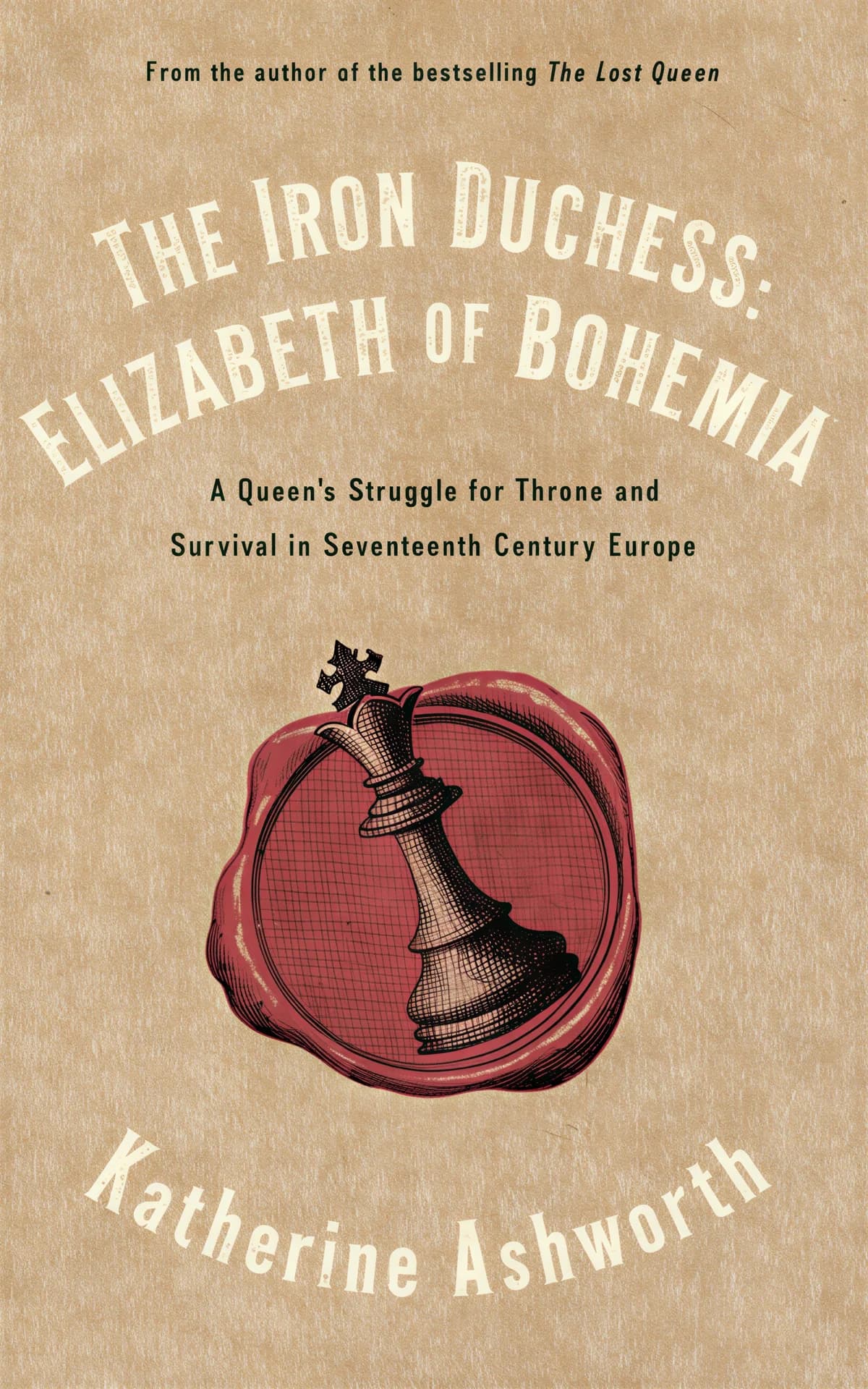
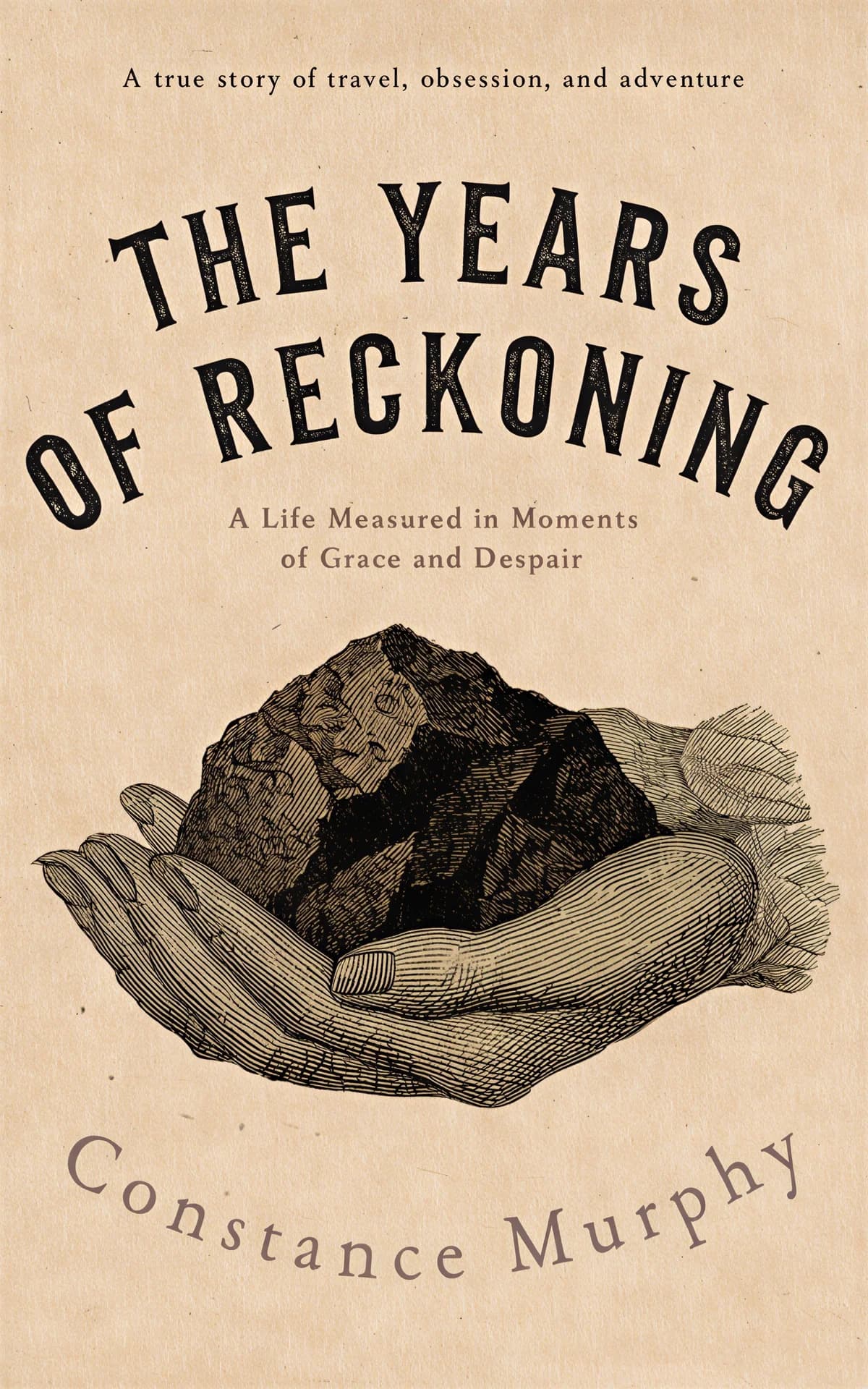
Ready-Made Classic Covers for Sale
Browse all premade covers →Don't want to generate one? These classic covers are finished and ready — put your own title and author on any of them and download it KDP-ready. Each is sold exactly once, then removed from sale forever.


What Makes a Great Classic Book Cover
Key Elements
- A deep, saturated ground — ink-navy (#1F2937), oxblood, or aged-brown (#4A2F24) — for a clothbound, canonical feel
- A thin gilt rule, border, or single ornament in tan/gold (#C8A87C) evoking gold-stamped cloth
- An elegant serif title in Cormorant Garamond or EB Garamond, generously letterspaced and centered
- Inscriptional capitals (Cinzel) or high-contrast display (Playfair Display) for the author or series line
- One restrained emblem, monogram, or framed motif — never a busy scene
- Symmetrical, balanced composition with disciplined margins, in the spirit of Penguin or Everyman classics
What to Avoid
- Cluttered illustration or imagery that undercuts the canonical, restrained mood
- More than two type families competing for the title's authority
- Bright, trendy colors instead of deep, saturated jewel or ink grounds
- Heavy ornament that overwhelms rather than crowns the typography
- Off-center or unbalanced title lockups that read as amateur, not timeless
Fonts That Work
A Palette That Sells
AI Prompts for Classic Covers
Use these prompts directly in our generator or copy them to customize.
Clothbound classic edition — a deep ink-navy ground with a thin gilt double rule, a single embossed gold emblem, and a centered Cormorant Garamond title in wide-spaced small caps, evoking a gold-stamped hardcover from the literary canon.
Penguin-style classic literature cover — a bold oxblood horizontal band over cream, a Cinzel author line in inscriptional capitals, a tan rule, and a small centered woodcut motif, balanced with disciplined margins and series-edition restraint.
Gilded ornament cover — a single tan filigree emblem on an aged-brown ground, a high-contrast Playfair Display title centered above it, a thin gold border frame, minimal and dignified enough to pass for a canonical reissue.
Type-led classic cover — an elegant EB Garamond title set large and centered on a deep jewel-tone ground, one slim gilt rule beneath it, vast calm space, engineered to read as timeless and refined on a small store grid.
Related Genres
Create Your Classic Book Cover
Generate a professional classic cover in seconds. No design skills needed.
✓ 2 free covers ✓ No credit card required ✓ KDP-ready downloads