Typography Book Cover Ideas
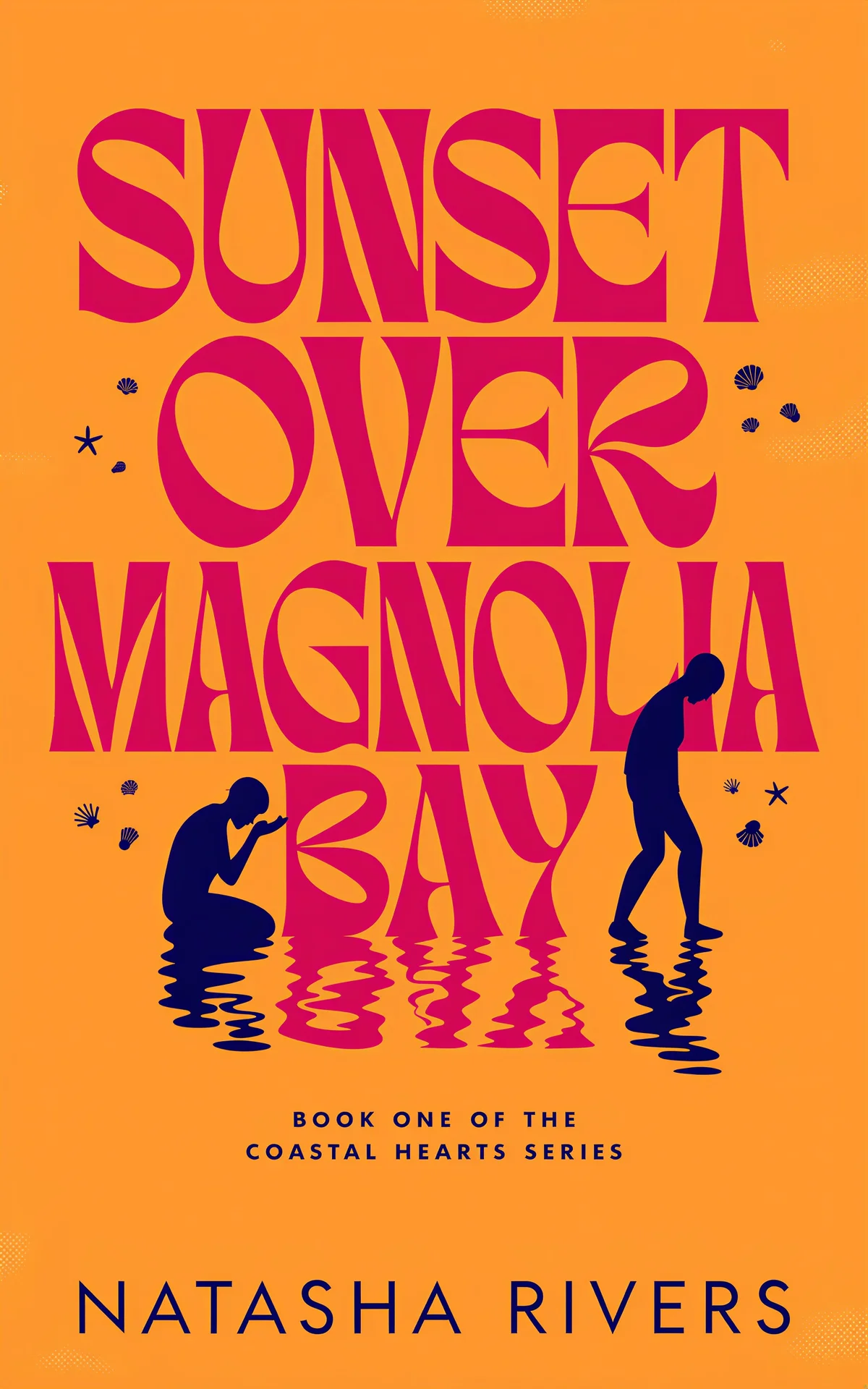
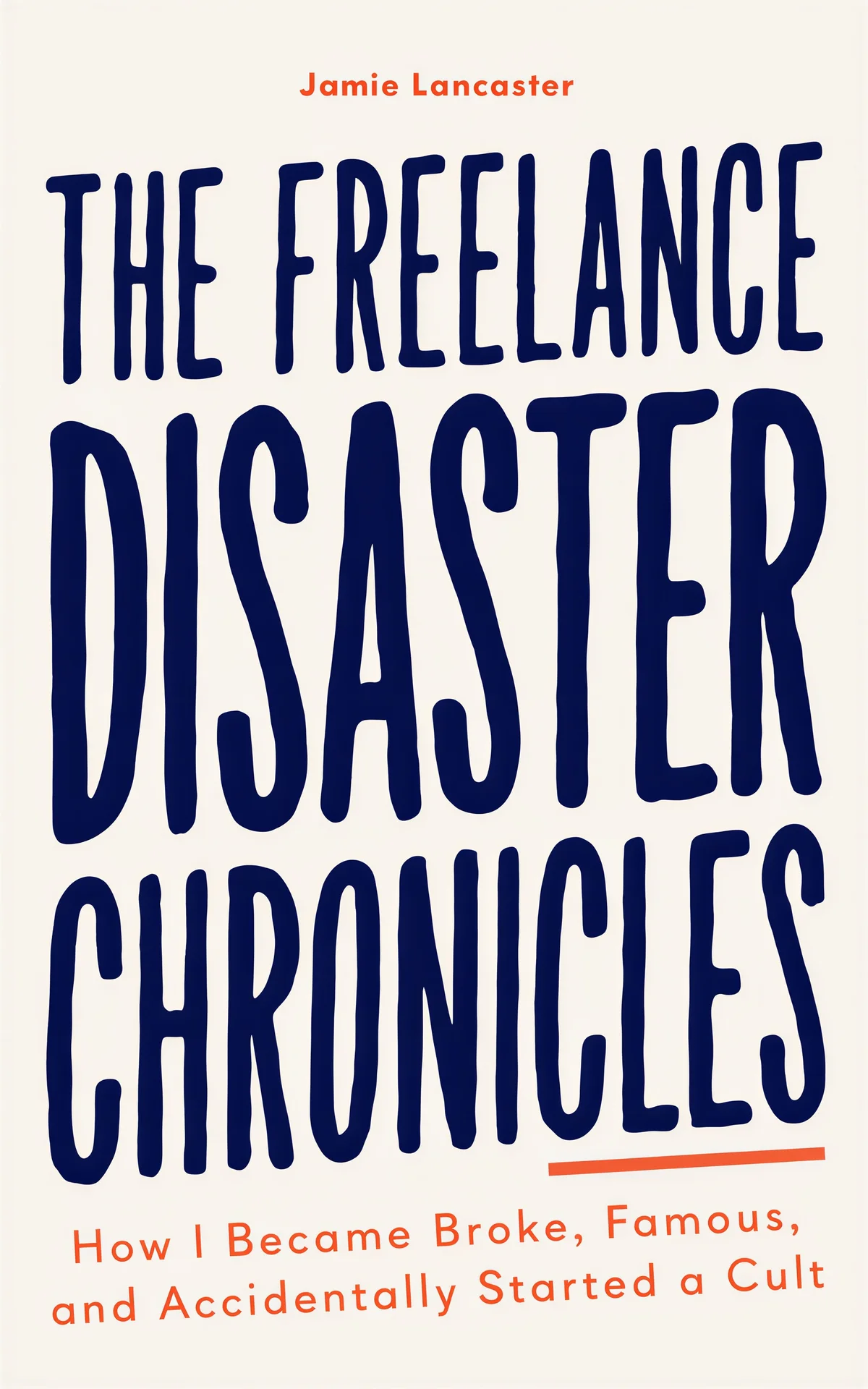
On a typography book cover, the title isn't a label sitting on top of the art — it is the art. These designs hand the whole job to lettering: scale, weight, spacing, and arrangement do what an illustration would do elsewhere. Done well, typography covers feel sharp and modern, which is why they dominate literary fiction, memoir, and idea-driven non-fiction. They also reward anyone hunting for cool fonts for book covers, because the typeface choice basically is the concept.
The craft is treating type as image. The best typography covers use bold sans-serifs — Archivo Black, Bebas Neue, Helvetica Now — set large enough to dominate, with Inter or Montserrat carrying subtitles and author lines. You build interest through contrast and structure: oversized words against tiny ones, tight letter-spacing, a title broken across stacked lines, or one word blown up to fill the frame. Color stays minimal, often one accent against a flat ground. What breaks the look is timid sizing, three mismatched fonts, default tracking, and effects — bevels, shadows, outlines — that make clean type look amateur.
Type-led covers pass or fail the thumbnail test instantly: shrunk to a store grid, the title has to stay bold and legible with no imagery to lean on. If your hierarchy reads at a glance when small, it's working. Use the ideas below as a starting point for your own typography book cover design, then generate and refine a version built around your title in seconds.
Typography Book Cover Examples
Ready-Made Typography Covers for Sale
Browse all premade covers →Don't want to generate one? These typography covers are finished and ready — put your own title and author on any of them and download it KDP-ready. Each is sold exactly once, then removed from sale forever.


What Makes a Great Typography Book Cover
Key Elements
- The title set as the hero element — large enough to dominate the cover, not sit politely on top
- A bold sans-serif lead (Archivo Black, Bebas Neue, Helvetica Now) paired with Inter or Montserrat for support
- Clear hierarchy built from scale contrast — oversized title against small subtitle and author lines
- Deliberate layout: stacked lines, tight tracking, or one word blown up to fill the frame
- A minimal palette — usually one accent color against a flat ground — so nothing competes with the type
- A title lockup that stays bold and legible when shrunk to a marketplace thumbnail
What to Avoid
- Timid, undersized type that fails to dominate the frame the way a type-led cover must
- Three or more mismatched fonts instead of one confident family with a clear hierarchy
- Default letter-spacing and tracking that leaves the lettering feeling unconsidered
- Bevels, drop-shadows, and outlines that make clean type look amateur
- Busy backgrounds or imagery that compete with the letterforms instead of supporting them
Fonts That Work
A Palette That Sells
AI Prompts for Typography Covers
Use these prompts directly in our generator or copy them to customize.
Big-type literary book cover — the title set huge in a heavy sans-serif like Archivo Black, stacked tight across three lines, one accent color on a flat ground, and a small author line anchoring the base.
Single-word typography cover — one key word from the title blown up to fill the entire frame in Bebas Neue, letters cropped at the edges, high-contrast duotone, and a tiny subtitle tucked into the negative space.
Editorial typography book cover — a clean Helvetica-style title with a precise grid, generous margins, one restrained accent, and confident hierarchy between title, subtitle, and author for an idea-driven non-fiction feel.
Expressive type-led cover — bold lettering arranged to suggest meaning, words scaled and spaced for rhythm, a flat two-color palette, and no imagery, engineered to read instantly on a small store grid.
Related Genres
Create Your Typography Book Cover
Generate a professional typography cover in seconds. No design skills needed.
✓ 2 free covers ✓ No credit card required ✓ KDP-ready downloads