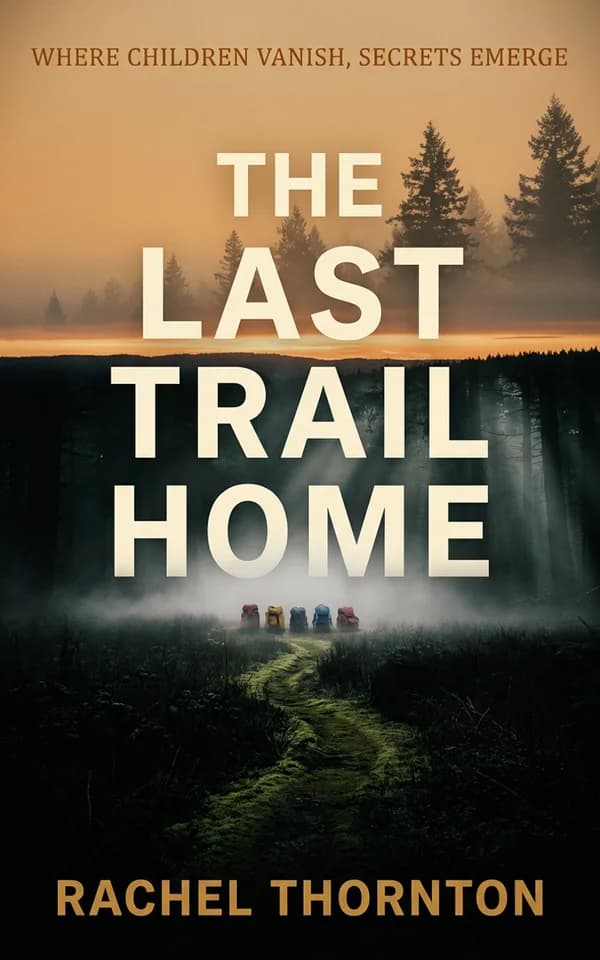
Thriller Book Cover Ideas
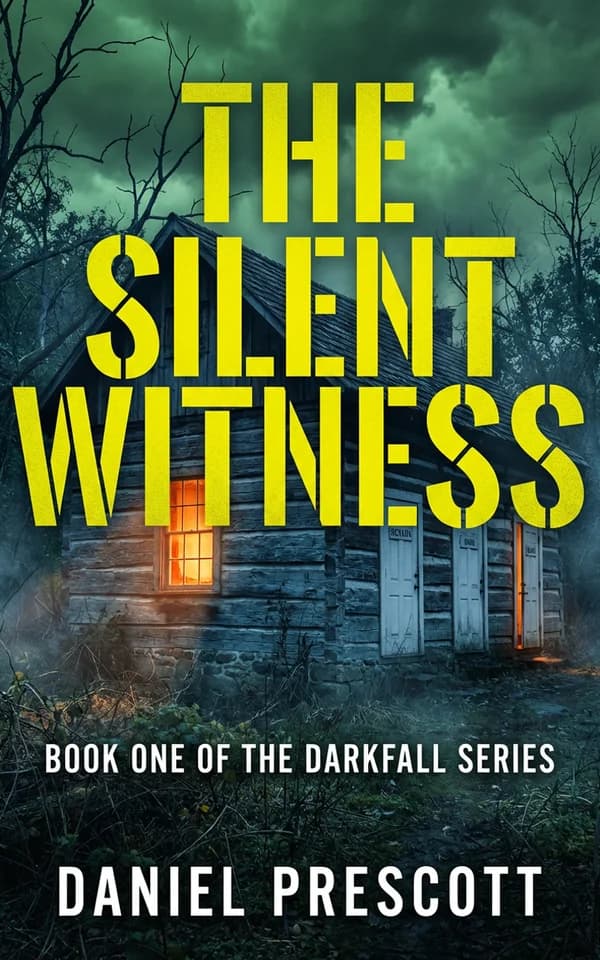
Thriller covers must create immediate tension and intrigue to grip a browser's attention and promise a high-stakes, page-turning experience. The best thriller covers use stark imagery, dramatic lighting, and bold typography to signal danger, mystery, and psychological depth.
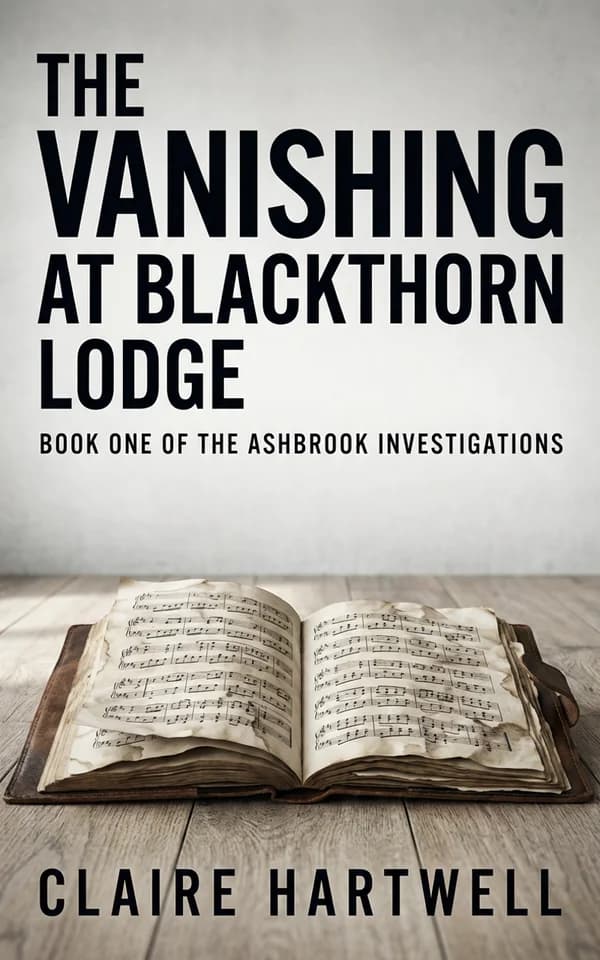
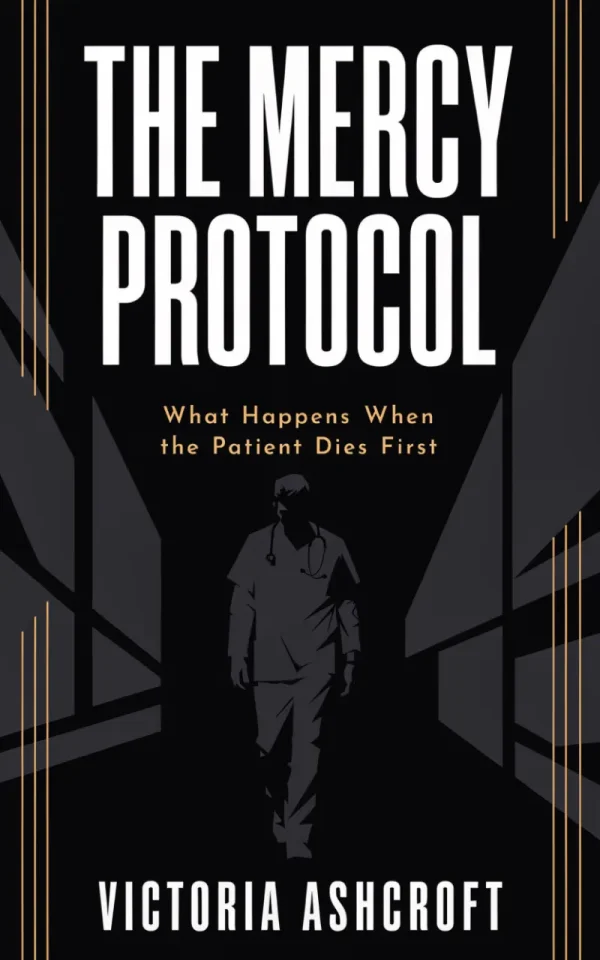
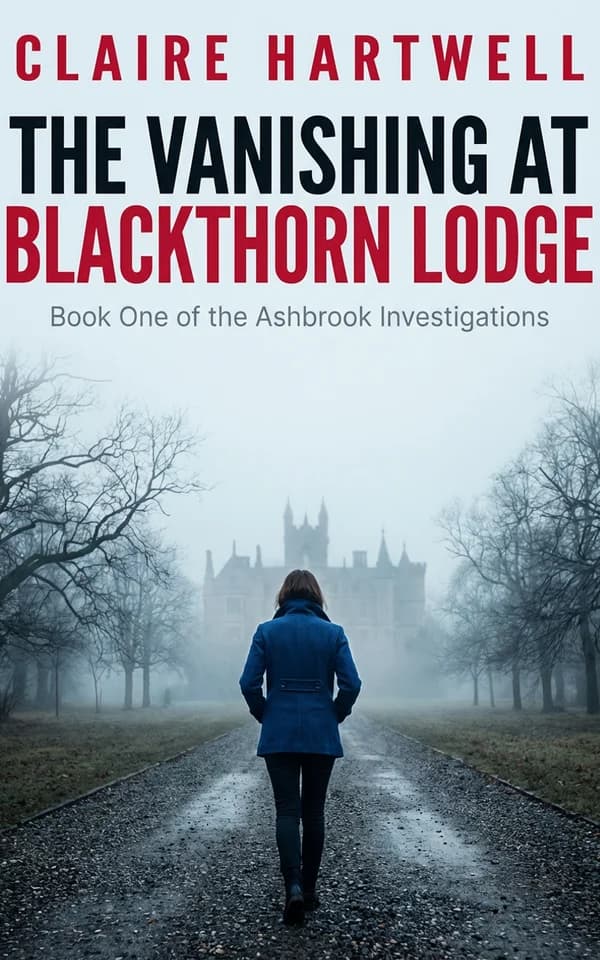
Whether you're writing a twisty psychological thriller, a gritty crime procedural, or a high-stakes conspiracy, your cover needs to promise readers that adrenaline rush they're seeking. Common sub-styles in this genre include three highly effective approaches: minimalist designs that use one haunting focal point to create unease, photorealistic covers with high-contrast shadows for grounded realism, and typography-driven layouts that emphasize a sense of ticking-clock urgency. Dark palettes, unsettling compositions, and strategic use of negative space all contribute to that sense of danger lurking just out of sight. By analyzing these ideas, you'll see how successful thriller covers use color—often stark blood reds, deep blacks, and cold, clinical blues—to create an atmosphere of suspense that makes your book impossible to ignore.
Study how these designs maintain clarity and impact at thumbnail size, ensuring your mystery is seen and felt by potential readers immediately.
Thriller Book Cover Examples
What Makes a Great Thriller Book Cover
Key Elements
- Dark, moody color palettes that create tension and unease
- High-contrast lighting with dramatic shadows for psychological impact
- Stark imagery focused on eyes, silhouettes, or symbolic objects
- Bold, readable typography that commands attention
- Compositions that create suspense through what's hidden or suggested
- Strategic use of negative space to increase tension and focus
What to Avoid
- Too much visual information that reduces psychological impact
- Colors that are too bright or cheerful for the thriller genre
- Clichéd imagery like generic shadows or overused symbolism
- Typography that's too decorative and reduces the sense of urgency
- Compositions that reveal too much instead of creating mystery
AI Prompts for Thriller Covers
Use these prompts directly in our generator or copy them to customize.
An empty interrogation room with a single chair under harsh overhead lighting, cold clinical blues, gritty crime thriller atmosphere, high contrast shadows
A close-up of a woman's eye reflected in a shattered mirror, blood red and black color palette, psychological thriller, minimalist and haunting
A dark, rain-soaked city street at night with a lone figure in a trench coat walking under a single streetlight, deep shadows, photorealistic, cinematic thriller mood
Related Genres
Create Your Thriller Book Cover
Generate a professional thriller cover in seconds. No design skills needed.
A brief description helps generate more relevant covers.
0/1000It usually takes about 1-2 minutes to generate your unique covers.
✓ 2 free covers ✓ No credit card required ✓ KDP-ready downloads