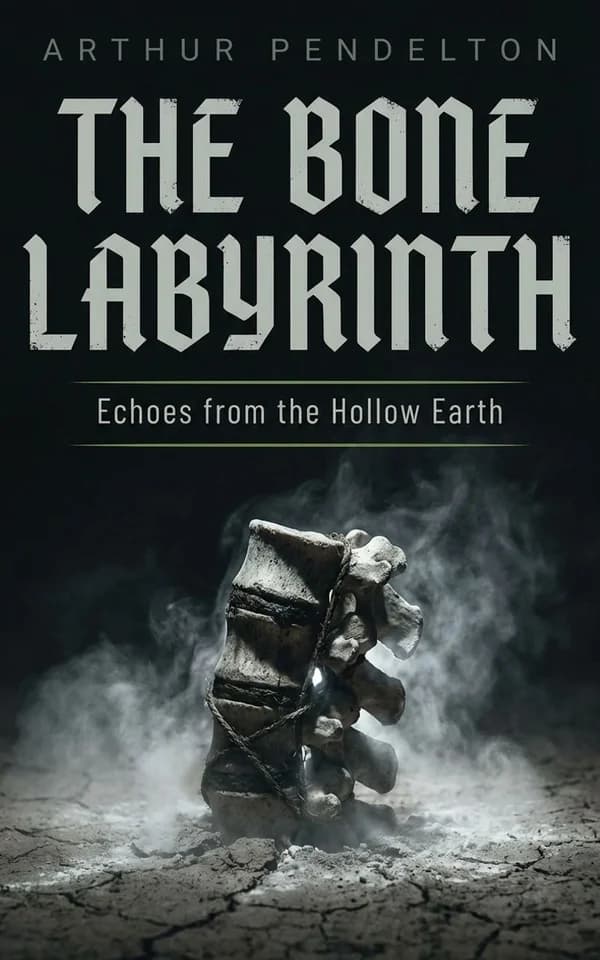
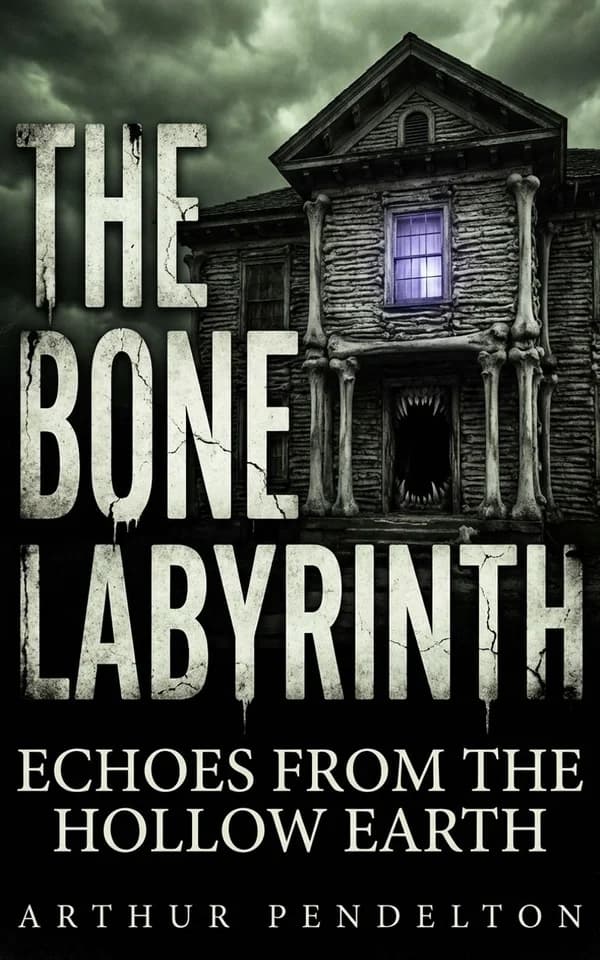
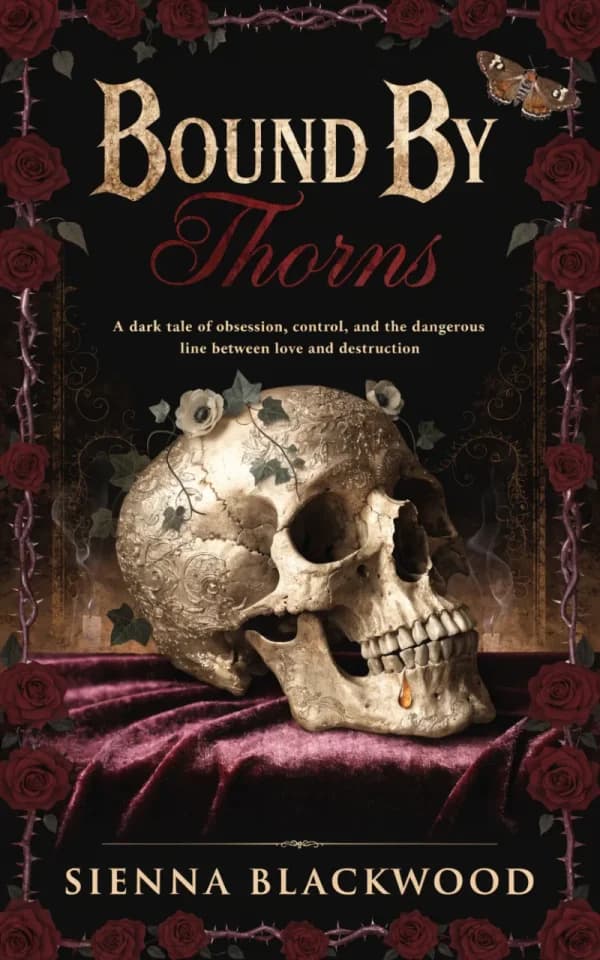
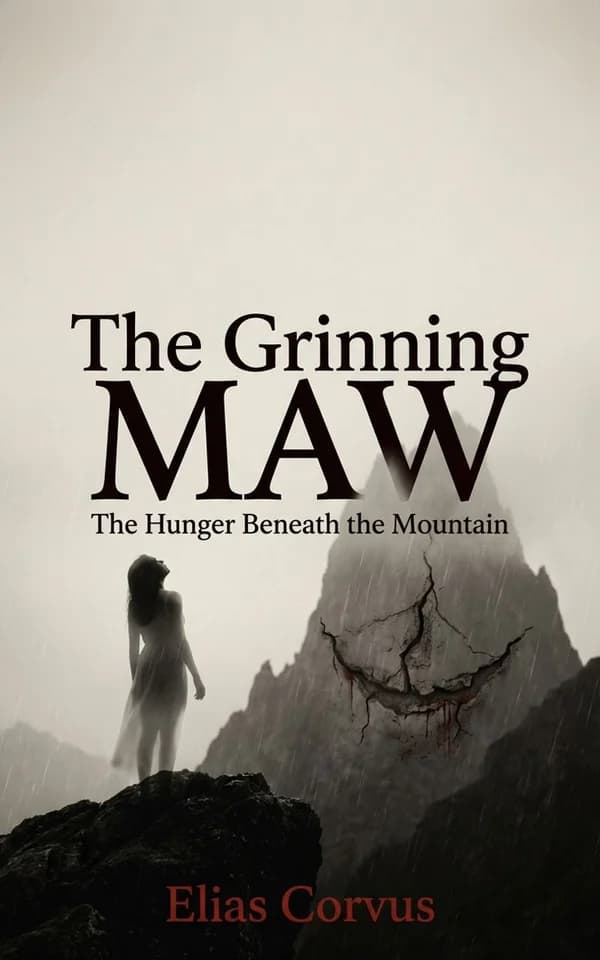
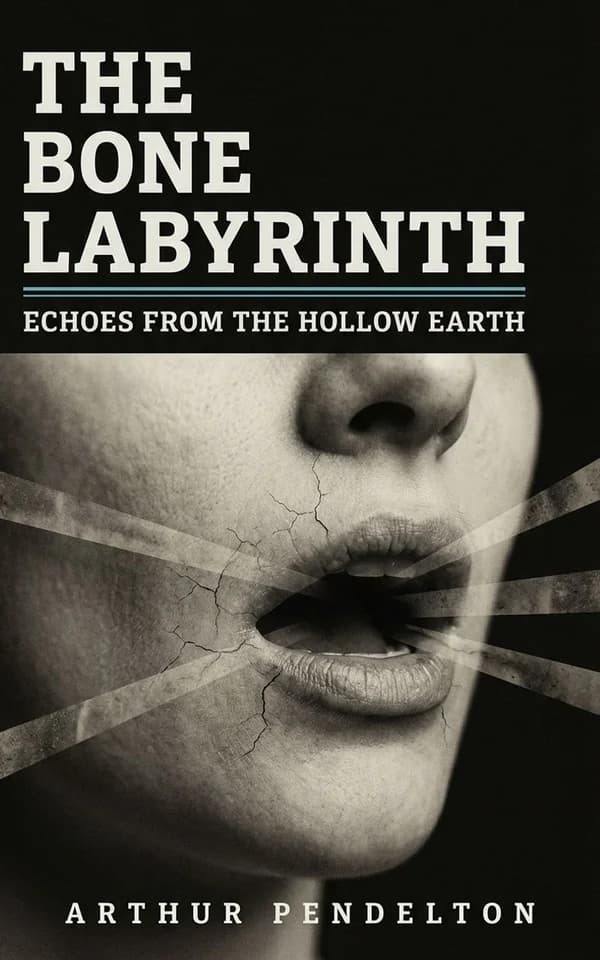
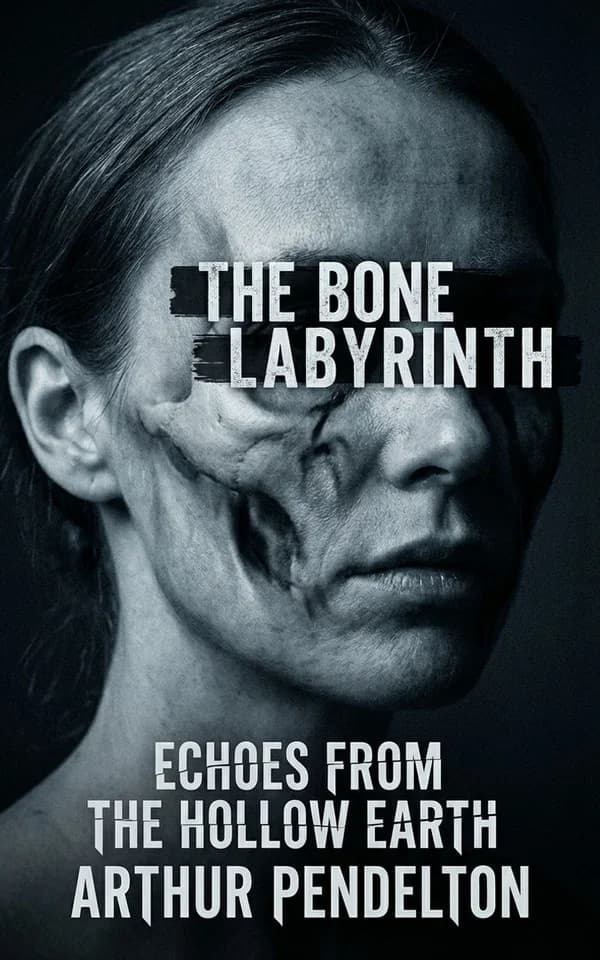
7 Horror books covers You Should Know
Discover the top 7 horror books covers strategies and tips. Complete guide with actionable insights.
Posted by
Related reading
7 Standout Book Jacket Examples and Design Secrets for 2025
Explore 7 powerful book jacket examples from top genres. Get deep design analysis, pro tips, and actionable takeaways to create your own standout cover.
Book Cover Photos That Sell Your Story
Discover how to find, design, and legally use book cover photos that captivate readers and boost sales. Your guide to creating a cover that sells.
How to Design a Science Fiction Book Cover That Sells
A practical guide to designing a science fiction book cover that grabs attention. Learn subgenre cues, typography, AI tools, and testing for market success.
A great horror book cover does more than just hint at the terror within; it seizes a potential reader's attention and refuses to let go. For indie authors and small presses, a compelling cover is not just art, it's a critical sales tool that must compete in a crowded digital marketplace. The right design can instantly communicate genre, tone, and promise a specific kind of fear, turning a casual browser into a committed buyer. This is where the challenge lies: creating professional, genre-appropriate horror books covers that look distinct without a massive budget or an in-house design team.
This guide is designed to solve that exact problem. We will dissect a curated gallery of exceptional horror covers, moving beyond simple descriptions to provide a deep strategic analysis of each one. You will learn not just what makes these covers work, but how they achieve their chilling effect.
We will break down each example into its core components:
- Composition & Imagery: How visual elements are arranged to create tension and intrigue.
- Typography & Color: The role of fonts and palettes in setting a terrifying mood.
- Marketplace Lessons: What these covers teach us about standing out on platforms like Amazon.
More importantly, each analysis is followed by actionable takeaways and specific prompt examples. You’ll gain replicable strategies to guide your own design process, whether you're briefing a designer or using AI tools to generate concepts. This listicle is your practical playbook for creating horror books covers that are as unforgettable as the stories they represent.
1. BeYourCover
BeYourCover stands out as an exceptionally powerful and versatile AI-powered platform engineered specifically for authors and small presses who need market-ready horror books covers without the high costs or long timelines of traditional design. It combines rapid, brief-based generation with deep customization tools, offering a robust solution that bridges the gap between automated speed and creative control. For horror authors, this means the ability to generate dozens of genre-perfect concepts in seconds and then refine them into a unique, high-impact final product.
The platform's core strength lies in its intelligent, two-pronged approach. Users can start with a simple brief (title, author, genre, and a short summary) to get multiple cover concepts in about 30 seconds. Alternatively, they can use a detailed prompt to guide the AI toward a specific vision. This flexibility is a significant advantage, accommodating both authors who need initial inspiration and those who already have a precise concept in mind.
Why It Excels for Horror Covers
What truly sets BeYourCover apart for the horror genre is its combination of genre-aware AI and powerful post-generation editing tools. The platform understands the visual language of horror subgenres, from the stark, minimalist typography of psychological thrillers to the visceral, high-contrast imagery of body horror. It consistently produces covers that feel both professional and thematically appropriate.
The workflow is designed for iteration and refinement:
- Prompt-Based Generation: Create specific imagery by describing scenes, monsters, or abstract concepts central to your horror story.
- Variation & Style Conversion: Generate dozens of variations from a single concept to explore different compositions, or use the Style Conversion tool to instantly see your cover in a different artistic style (e.g., photorealistic, illustrated, vintage).
- Advanced Editing Suite: Unlike many basic AI generators, BeYourCover includes a sophisticated text editor for full control over typography, color, and layout. Crucially, tools like AI Remove Text and Transform allow you to strip unwanted text from an image or replace specific elements without starting over.
Strategic Insight: BeYourCover’s iterative toolset empowers authors to act as their own art directors. The ability to generate a strong base image and then selectively modify elements is a cost-effective alternative to commissioning multiple revisions from a human designer, saving both time and money.
Features, Pricing, and Key Details
BeYourCover is built around a user-friendly, non-subscription model that makes it accessible for indie authors on a budget.
Key Features:
- Rapid Generation: Sales-optimized covers in under a minute.
- Dual-Input System: Use simple briefs or detailed text prompts.
- KDP-Ready Exports: All downloads are high-resolution and pre-formatted for Amazon KDP and other major platforms.
- Advanced Iteration Tools: Includes variations, style conversion, and element transformation.
- One-Time Pricing: Avoids recurring subscription fees.
The platform offers a no-card-required free trial that provides two cover downloads, allowing authors to fully test its capabilities. From there, pricing is structured into one-time purchase plans. The Basic plan is ideal for a single project, while the Pro plan unlocks unlimited books, up to 50 versions per project, premium styles, and bulk high-resolution downloads, making it a highly economical choice for prolific authors or small presses. For more detailed strategies on leveraging AI for book covers, you can learn more about AI book cover design on BeYourCover's blog.
While the AI can occasionally struggle with hyper-specific or highly abstract artistic demands that may require a human touch, its speed, cost-efficiency, and robust editing tools make it a top-tier choice for creating compelling and commercially viable horror books covers.
Website: https://beyourcover.com
2. SelfPubBookCovers
For indie authors who need a high-quality, exclusive cover fast, SelfPubBookCovers is an indispensable resource. This massive marketplace connects authors with thousands of designers offering one-of-a-kind premade covers. Its key differentiator is simple but powerful: once a cover is sold, it’s removed from the site forever, guaranteeing you won't see your artwork on another author's book.

The platform streamlines the entire process. Authors can browse an extensive library of horror books covers, filtering by subgenre-specific keywords like "slasher," "gothic," "monster," or "psychological." After purchase, you gain access to a user-friendly online typography editor. This tool lets you customize your title, author name, and tagline directly on the site, with unlimited changes even after you've downloaded the files.
Strategic Breakdown & Takeaways
SelfPubBookCovers excels at providing professional-grade assets without the timeline or cost of custom design. You receive both a 72dpi ebook file and a 300dpi print-ready file, covering the most common formats for platforms like Amazon KDP. This one-stop-shop approach is perfect for authors who are comfortable with a fixed art composition and prioritize speed and exclusivity.
Key Insight: The true value of SelfPubBookCovers is its balance of speed, exclusivity, and professional deliverables. It removes the friction of a lengthy design process, offering a "what you see is what you get" model that empowers authors to launch their books quickly.
How to Use SelfPubBookCovers Effectively:
- Filter Smartly: Don't just search for "horror." Use specific keywords like "haunted house," "zombie," or "demonic" to narrow down the vast selection and find a cover that perfectly matches your book's tone.
- Check Artist Portfolios: If you find a designer whose style you love, click their name to see all their available covers. This is a great way to find consistent branding for a series.
- Experiment with Typography: Use the built-in editor to test different fonts and layouts. A font change can dramatically alter the feel of a cover, transforming it from a quiet thriller to a high-impact slasher design.
Platform Snapshot
| Feature | Details |
|---|---|
| Pricing | Varies by artist; typically ranges from $69 to $200+ |
| Exclusivity | 100%. Each cover is sold only once. |
| Turnaround | Instantaneous. Customize and download immediately after purchase. |
| File Formats | Ebook (72dpi JPG) and Print (300dpi JPG) included. |
| Customization | Unlimited typography changes via the on-site editor. |
While you can't alter the core artwork, the immediate access and guaranteed exclusivity make SelfPubBookCovers a go-to for many self-published horror authors. For those who want more control over the entire design, other tools might be a better fit; you can learn more about various book cover design software options and find the right one for your needs.
Website: https://home.selfpubbookcovers.com/
3. The Book Cover Designer
The Book Cover Designer operates as a curated, multi-artist marketplace, offering a vast and diverse gallery for authors seeking the perfect visual identity for their work. Unlike single-artist sites, it gathers talent from around the world, creating a one-stop-shop that caters to nearly every horror subgenre imaginable. This structure allows authors to browse a wide spectrum of styles, from minimalist psychological thrillers to gore-filled splatterpunk.
The platform’s strength lies in its organization and transparency. You can easily navigate a dedicated horror books covers category featuring thousands of premade options. Each listing clearly displays the price, the designer's name, and what's included, which typically involves basic text customization for your title and author name. This direct access to designer portfolios is a key advantage for authors planning a series, as it allows them to find and re-hire an artist to maintain brand consistency.
Strategic Breakdown & Takeaways
The Book Cover Designer provides a middle ground between a single-designer studio and a massive, uncurated market. While quality can vary between artists, the ability to vet portfolios and see a designer's full range of work mitigates this risk. To achieve a distinct and impactful horror aesthetic, many of these designers explore advanced tools; for example, they might use AI style transfer techniques to transform ordinary photos into unsettling, painterly visuals that stand out in a crowded marketplace.
Key Insight: The platform's greatest value is in its combination of choice and connection. Authors get the variety of a large marketplace while still being able to build a working relationship with a specific designer whose style aligns with their vision.
How to Use The Book Cover Designer Effectively:
- Follow Your Favorite Artists: If you find a designer you like, follow their profile. This ensures you'll be notified when they upload new covers, giving you first dibs on fresh designs.
- Use the Subcategory Filters: Beyond just "horror," use filters like "dark fantasy," "sci-fi horror," or "paranormal" to find covers that hit the precise emotional and thematic notes of your story.
- Plan for Series Branding: Before buying a cover for book one, review the designer’s portfolio to ensure their style can be adapted for future installments. Many designers also take custom work if you need a matching sequel cover.
Platform Snapshot
| Feature | Details |
|---|---|
| Pricing | Varies widely by artist; from budget-friendly ($50+) to premium ($300+). |
| Exclusivity | 100%. All premade covers are sold only once. |
| Turnaround | Customization is typically done by the designer in 1-3 business days. |
| File Formats | Varies by designer, but usually includes ebook (JPG/PNG) and print-ready PDF. |
| Customization | Standard text changes included; art modifications are usually not possible. |
This marketplace is an excellent resource for authors who want a broad selection without sacrificing the ability to find a consistent artistic partner. While you must do your due diligence in selecting a designer, the potential to find a unique, high-quality cover is immense. You can explore additional book cover design tips for more insight into making your choice.
Website: https://thebookcoverdesigner.com/product-category/premade-book-covers/horror/
4. Etsy
While known for handmade crafts, Etsy has emerged as a surprisingly robust and diverse marketplace for independent authors seeking horror books covers. It’s a sprawling ecosystem where individual designers and small creative studios offer everything from affordable premade covers to fully custom design packages. This direct-to-creator model provides a personal touch that larger platforms often lack.
The platform functions as a gallery of independent talent. Authors can browse thousands of listings, filtering by price, style, and seller location. Most shops offer KDP-ready premades where the designer will add your title and author name after purchase. The real advantage is the direct line of communication; authors can message sellers to ask about revisions, request add-ons like paperback wraps or audiobook covers, or even commission a completely custom piece.
Strategic Breakdown & Takeaways
Etsy excels at providing access to a wide variety of artistic styles at competitive price points, making it ideal for authors on a budget or those looking for a specific niche aesthetic. Unlike automated platforms, the human element allows for collaboration and minor tweaks. You can build a relationship with a designer whose work aligns with your brand, ensuring consistency across a series.
Key Insight: Etsy’s strength lies in its blend of affordability, stylistic diversity, and direct artist communication. It democratizes cover design, allowing authors to find unique, professional-grade artwork without the high costs of a design agency.
How to Use Etsy Effectively:
- Vet Your Sellers: Pay close attention to shop ratings, reviews, and the number of sales. A long history of positive feedback is a strong indicator of a reliable and professional designer.
- Read the Full Description: Listings can vary significantly. Confirm exactly what you're getting, such as file formats, number of revisions, and whether a paperback wrap is included or costs extra.
- Communicate Clearly: When messaging a designer, be specific about your needs. Provide your book's title, author name, tagline, and any blurb for the back cover right away to streamline the process.
Platform Snapshot
| Feature | Details |
|---|---|
| Pricing | Highly variable; premades often range from $40 to $150. |
| Exclusivity | Varies by seller; most premades are sold only once, but always confirm in the listing. |
| Turnaround | Typically 1-3 business days for premade customization. Custom work varies. |
| File Formats | Ebook (JPG/PNG) is standard. Paperback wraps and other formats are often available as add-ons. |
| Customization | Typography is standard. Some sellers offer minor image revisions for a fee. |
The quality on Etsy can range from amateur to expert, so careful vetting is essential. However, for authors willing to do a bit of research, it offers an unparalleled selection of unique and affordable horror books covers straight from the creators themselves.
Website: https://www.etsy.com/market/premade_horror_book_cover
5. Reedsy
When a project demands a truly bespoke cover tailored to a specific vision, Reedsy is the premier marketplace for hiring top-tier creative professionals. Unlike premade sites, Reedsy is a curated platform where authors can connect with and commission vetted book designers who specialize in the horror genre. The platform’s rigorous selection process means you're accessing a pool of proven talent with professional portfolios and experience.

The process is built around collaboration. Authors can browse designers' portfolios, review their work history, and request quotes from up to five professionals at once. Reedsy’s built-in tools facilitate communication, file sharing, and payments, keeping the entire project organized and secure. This makes it an ideal choice for authors planning a series who need a consistent and brandable look, or those with a unique concept that can't be found in a premade library of horror books covers.
Strategic Breakdown & Takeaways
Reedsy excels at facilitating custom, high-end design by removing the guesswork of finding a reliable professional. The platform's value lies in its quality control and streamlined collaboration process, ensuring authors invest in an asset that is unique, marketable, and perfectly aligned with their story. It’s a service geared towards building long-term relationships with designers, which is invaluable for author branding and series consistency.
Key Insight: Reedsy is not just a marketplace; it's a project management tool for creative collaboration. Its strength is providing a secure and vetted environment for authors to commission high-quality, custom artwork that elevates their book's professional appeal.
How to Use Reedsy Effectively:
- Write a Detailed Brief: The more information you provide, the better the result. Include your book's summary, target audience, themes, and examples of covers you admire. This gives designers a clear creative direction.
- Leverage the Inspiration Gallery: Use Reedsy’s own horror cover gallery to benchmark styles and find designers whose work resonates with your vision. You can even reference specific covers in your brief.
- Request Multiple Quotes: Don't just hire the first designer you see. Request quotes from three to five professionals to compare their proposals, timelines, and creative approaches before making a decision.
Platform Snapshot
| Feature | Details |
|---|---|
| Pricing | Varies by designer; custom covers often start at $500+ |
| Exclusivity | 100%. All work is custom and created for you alone. |
| Turnaround | Varies; typically several weeks, depending on the designer and revisions. |
| File Formats | Ebook, print, and other formats as negotiated with the designer. |
| Customization | Fully custom. The author collaborates directly with the designer. |
While Reedsy requires a larger budget and a longer timeline than premade options, the investment results in a truly one-of-a-kind cover. It's the best path for serious authors who understand that a professional, custom design is a critical marketing tool for their work.
Website: https://reedsy.com/hire/us/book-designers/horror/
6. Shutterstock
For authors and designers who prefer a hands-on, DIY approach, Shutterstock is a vast ocean of creative assets. As one of the world's largest stock media libraries, it offers millions of high-resolution photos and vector illustrations perfect for assembling custom horror books covers. This platform empowers users to license individual components and build a unique cover from scratch, offering near-limitless creative freedom.
The core strength of Shutterstock lies in its powerful search and filtering capabilities. You can hunt for specific horror elements like "abandoned asylum," "creepy doll," "eldritch monster," or even abstract concepts like "existential dread." Each asset comes with clear licensing terms, ensuring your final cover is commercially viable for platforms like Amazon KDP and IngramSpark. You can purchase assets via subscription plans or on-demand credit packs.
Strategic Breakdown & Takeaways
Shutterstock serves as the foundational layer for authors who want total control over their cover's composition but don't have the skills or budget for custom photography or illustration. By sourcing professional-grade images, you can use design software like Photoshop or Canva to add typography and other graphic elements, effectively building a professional cover at a fraction of the cost of hiring a designer for the entire project.
Key Insight: Shutterstock's value is in providing high-quality, licensable "ingredients" for a book cover. It separates the art sourcing from the design process, allowing authors to prototype multiple concepts quickly and affordably before committing to a final layout.
How to Use Shutterstock Effectively:
- Think in Layers: Search for multiple assets that can be combined. Look for a background image (e.g., "foggy forest"), a primary subject (e.g., "shadowy figure"), and texture overlays (e.g., "grunge texture") to create a layered, unique composition.
- Verify Licensing: Always double-check that you are purchasing a Standard or Enhanced License, which covers commercial use for book covers. Avoid "Editorial Use Only" images.
- Explore AI Generation: Use Shutterstock's integrated AI image generator to create truly unique, bespoke imagery. Prompt it with detailed descriptions like "hyperrealistic photo of a porcelain doll with a single crack on its cheek, dark moody lighting" to get an asset no one else has.
Platform Snapshot
| Feature | Details |
|---|---|
| Pricing | Subscription plans or on-demand image packs (starts around $29 for 2 images). |
| Exclusivity | 0%. Assets are non-exclusive and can be licensed by anyone. |
| Turnaround | Instantaneous. Download assets immediately after licensing. |
| File Formats | High-resolution JPG, PNG, AI, and EPS files available. |
| Customization | Requires external software (Photoshop, Affinity Photo, Canva) for typography and layout. |
While the assets themselves aren't exclusive, the way you combine them with your unique typography and layout can result in a one-of-a-kind cover. For authors who enjoy the design process and want to manage their budget closely, Shutterstock is an essential tool in the cover creation toolkit.
Website: https://www.shutterstock.com/search/horror-book-cover
7. Adobe Stock
For authors and designers who want complete creative control, Adobe Stock is a powerhouse resource for sourcing high-quality, professional assets. Instead of offering premade covers, it provides the raw ingredients: millions of royalty-free photos, illustrations, vectors, and templates that serve as the foundation for a custom design. Its seamless integration with Adobe Creative Cloud makes it the top choice for those already working within the Adobe ecosystem.

The platform is ideal for building truly unique horror books covers from scratch. You can search for specific elements like "derelict mansion," "haunted forest," or "abstract fear" and combine them with your own typography and layout in programs like Photoshop or Illustrator. The availability of vector assets is a significant advantage, as they can be scaled to any size without losing quality, making them perfect for both ebook and print formats.
Strategic Breakdown & Takeaways
Adobe Stock empowers creators to move beyond premade templates and construct a cover that is 100% tailored to their story. While it requires design software and some technical skill, the payoff is a completely original composition. The direct integration with Creative Cloud Libraries streamlines the workflow, allowing you to license and import an asset directly into your Photoshop project without ever leaving the application.
Key Insight: The primary value of Adobe Stock is its professional-grade asset library that serves as a creative toolkit. It shifts the model from buying a finished product to licensing components, giving designers and skilled authors the ultimate flexibility to craft a cover that no one else will have.
How to Use Adobe Stock Effectively:
- Combine Multiple Assets: Don't rely on a single stock photo. License a textured background, a key piece of imagery (like a silhouetted figure), and maybe a vector element to create a layered, composite cover with more depth.
- Leverage Vector Illustrations: Search for vector assets like intricate borders, demonic symbols, or stylistic blood splatters. These can be easily recolored and resized to complement your typography and main image.
- Use the "Find Similar" Feature: If you find an image that’s close but not quite right, use the "Find Similar" tool to see a curated list of images with a comparable mood, color palette, or composition.
Platform Snapshot
| Feature | Details |
|---|---|
| Pricing | Subscription-based (e.g., 10 assets/month for $29.99) or via credit packs. |
| Exclusivity | None. Assets are royalty-free and can be licensed by anyone. |
| Turnaround | Instantaneous asset download. Design time depends on the user. |
| File Formats | High-resolution JPG, AI, EPS, and video formats. |
| Customization | Unlimited, as assets are raw components for use in design software. |
The non-exclusive nature of the assets means you might see your chosen image elsewhere, but the ability to heavily modify and combine elements mitigates this risk. For authors who want to roll up their sleeves and build a cover from the ground up, Adobe Stock offers a virtually endless supply of professional-quality building blocks.
Website: https://stock.adobe.com/
7-Way Comparison of Horror Book Cover Providers
| Product | 🔄 Implementation complexity | 💰 Resources & cost | ⚡ Speed / Efficiency | ⭐ Expected quality / 📊 Impact | 💡 Ideal use cases / Key advantages |
|---|---|---|---|---|---|
| BeYourCover | Low–Medium — guided UI with advanced iteration tools | Web app; free trial (2 covers); one‑time Basic/Pro plans | Very fast — concept generation ~30s; high iteration throughput | High for marketplace visibility — KDP‑ready, genre‑optimized covers | Fast, cost‑efficient option for indie authors who want sales‑focused, customizable covers |
| SelfPubBookCovers | Low — buy premade and edit typography on site | Pay‑per‑cover; price varies by artist | Immediate download after purchase | Reliable print deliverables (72/300dpi); buyer exclusivity on purchase | Quick route to exclusive premades with on‑site type edits |
| The Book Cover Designer | Low–Medium — marketplace with vendor selection and premades | Pay‑per‑cover; budget → premium listings; vet designers | Fast purchase; limited customization speed | Wide selection; transparent listings; retain designers for series | Good for finding and keeping a designer or buying varied premades |
| Etsy | Low — marketplace of independent sellers; requires communication | Often lower price points; negotiate revisions and add‑ons | Varies — instant downloads common; custom work depends on seller | Quality varies; check portfolios and licensing | Budget‑friendly stylistic variety and custom commissions via direct messaging |
| Reedsy | High — custom briefs, proposals, and collaboration workflow | Higher cost; request quotes from vetted designers | Slower — custom timeline with iterations | Very high — vetted professionals, brandable, consistent series design | Best for authors seeking bespoke, professional covers and long‑term designer relationships |
| Shutterstock | Medium — license assets and DIY assemble in design software | Subscription or on‑demand licenses; non‑exclusive assets | Quick to license assets; requires design time to assemble | Good for prototyping; consistent licensing for KDP/print | Economical way to test directions and build covers if you can design/layout yourself |
| Adobe Stock | Medium–High — integrated with Creative Cloud; design skills needed | Subscription/licenses; high‑res, vector and layered assets | Fast licensing and CC integration; assembly required | High asset quality; scalable vectors and layered files aid professional results | Ideal for Photoshop/Illustrator users who want high‑quality, editable assets for pro layouts |
Final Thoughts
We’ve journeyed through the shadows and dissected the anatomy of truly terrifying horror books covers. From the visceral, photo-realistic nightmares crafted with stock imagery to the bespoke, artist-commissioned dread found on platforms like Reedsy and Etsy, one truth remains constant: a horror cover is a promise. It promises sleepless nights, a racing heart, and a story that will linger long after the final page is turned.
Throughout our analysis, we've seen how composition, typography, and color aren't just design elements; they are strategic tools. They manipulate mood, create suspense, and target specific horror subgenres with lethal precision. The minimalist design of a literary horror cover whispers a different kind of terror than the blood-soaked, high-contrast imagery of a slasher novel. Understanding this visual language is the first step toward creating a cover that not only looks professional but also performs effectively in a crowded digital marketplace.
Your Blueprint for a Killer Cover
As an author or publisher, your primary goal is to translate the unique terror of your manuscript into a single, compelling image. The tools and platforms we've explored offer diverse pathways to achieve this. Your choice depends entirely on your budget, timeline, creative control, and technical skill.
To distill our findings into actionable strategy, remember these core principles:
- Clarity Over Clutter: The most effective horror books covers often rely on a single, powerful focal point. A distorted face, an isolated object, or a menacing silhouette can be far more unsettling than a chaotic scene.
- Typography is a Weapon: Your font choice is not an afterthought. It sets the tone. A distressed, jagged font screams chaos, while a clean, unnerving serif can suggest a more psychological or gothic horror.
- Color Evokes Emotion: Muted, desaturated palettes can create a sense of dread and unease. Conversely, a stark splash of red against a monochrome background immediately signals danger and violence. Use color intentionally to guide the reader’s emotional response.
- Know Your Niche: A cosmic horror cover needs to feel vast and unknowable, while a folk horror cover should be steeped in rustic, unsettling symbolism. Study the top-selling covers in your specific subgenre to understand reader expectations.
Choosing Your Creative Path
Selecting the right tool is a crucial decision that will shape your final product. Let's briefly revisit the options to help you determine your next move.
- For Instant, High-Quality Options: If you need a professional cover now and want a unique, one-of-a-kind design, pre-made marketplaces like SelfPubBookCovers and The Book Cover Designer are your best bet. They offer a vast selection with clear genre signifiers.
- For Custom, Artisanal Design: When your vision requires a truly unique artistic touch, platforms like Etsy and Reedsy connect you with talented designers who can craft a bespoke masterpiece from scratch. This is ideal for authors with a specific concept and a slightly larger budget.
- For the DIY Master: If you have design skills and want total creative freedom, stock image sites like Shutterstock and Adobe Stock provide the raw materials. Paired with design software, this path offers endless possibilities but demands a strong understanding of cover design principles.
Ultimately, the power to create unforgettable horror books covers is more accessible than ever before. Whether you are commissioning a veteran artist or using a sophisticated AI tool to bring your darkest visions to life, the strategies remain the same. Focus on the core emotion of your story, understand the visual cues that resonate with horror fans, and never underestimate the power of a single, haunting image. Your cover is the gateway to the horrors within; make sure it's one that readers are dying to open.
Ready to create a professional horror cover that captivates your audience without needing complex design skills? Explore BeYourCover, the AI-powered tool built specifically for authors who want stunning, genre-savvy designs in minutes. Generate dozens of unique horror books covers and find the perfect face for your fear at BeYourCover.